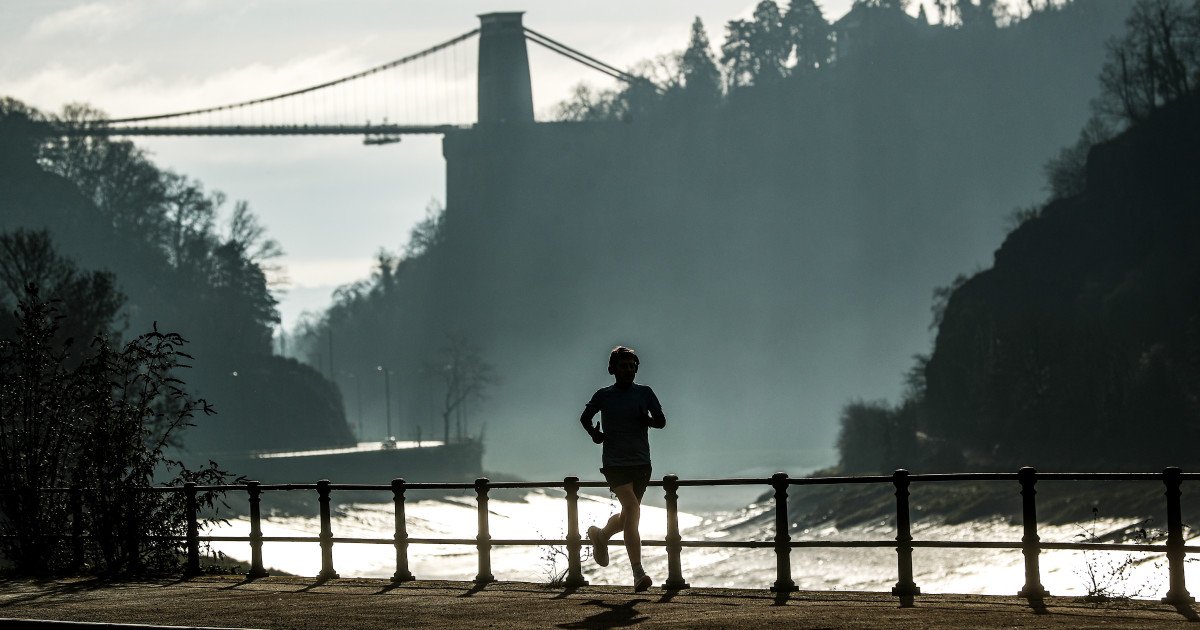
Sports fans and athletes across the nation are about to feel the heat—literally. The National Weather Service has sounded the alarm on a massive, early-season heat wave poised to rewrite the record books this week, with over 200 cities and towns forecast to shatter March temperature highs. This isn't just a weather story; it's a major development for anyone with a game, practice, or outdoor event on the calendar.
Record-Shattering Warmth on Deck
The NWS delivered the scorching forecast with a mix of urgency and dry wit. "Not to sound like a broken record but... Over 200 new record high temperatures are forecast this week," the agency stated, adding a fiery emoji for emphasis. This widespread warmth is expected to create a patchwork of record-breaking conditions from coast to coast, fundamentally altering the playing field for spring sports.

The epicenter of the heat will blaze across California, the Southwest, and the central Great Basin. Later in the week, the furnace-like conditions are predicted to shift toward the central and southern Plains and the mid-to-lower Mississippi Valley. While the West and Midwest are primed for the most dramatic spikes, even parts of the South and East Coast won't escape the unseasonable warmth.
Game-Changing Conditions for Athletes
For competitors, this sudden surge in temperatures presents serious challenges. Early-season baseball games, marathon training sessions, golf tournaments, and youth soccer matches must now account for extreme heat typically reserved for mid-summer. Hydration strategies, equipment choices, and event scheduling will be put to the test, echoing concerns raised during other weather-related disruptions, like the severe thunderstorms that recently threatened Southeastern sports.
The risks extend beyond performance. Heat cramps, exhaustion, and the dangerous threat of heat stroke become real possibilities for athletes pushing their limits in unexpected conditions. This serves as a stark reminder that environmental factors are a critical, and often unpredictable, part of the sports landscape.
Staying Safe in the Sizzle
Whether you're a pro athlete, a weekend warrior, or a fan in the stands, adapting to this heat wave is crucial. The NWS and health officials emphasize a core set of safety guidelines that every sports enthusiast should heed:
- Hydration is Non-Negotiable: Drink plenty of fluids before you feel thirsty. Water and electrolyte-replenishing drinks are key.
- Timing is Everything: Reschedule high-energy activities and workouts to avoid the peak midday heat whenever possible.
- Dress for Success: Opt for loose, lightweight, and light-colored clothing to help your body stay cool.
- Seek Shade and Cool Spaces: Use cooling centers if needed, and always provide ample shade and water for pets, whose paws can burn on hot asphalt.
- Look Out for Each Other: Check on teammates, family members, and neighbors, especially older adults who are more vulnerable.
These precautions mirror the proactive approach seen in other safety advisories, such as the critical warnings issued for spring break beach safety. Being prepared can mean the difference between a great game and a medical emergency.
Beyond the Baseline: A Broader Warning
This unprecedented warm spell transcends sports, acting as a powerful reminder of our changing climate's impact on daily life. It disrupts norms and forces communities to confront extreme weather events with increasing frequency. Just as winter travel warnings have followed athlete tragedies, these heat warnings are a necessary, if sobering, tool for public safety.
As we adjust our sports schedules and safety protocols this week, the message is clear: respect the heat. Stay informed, stay prepared, and stay safe. The records broken on the thermometer should be the only casualties of this historic warm-up.