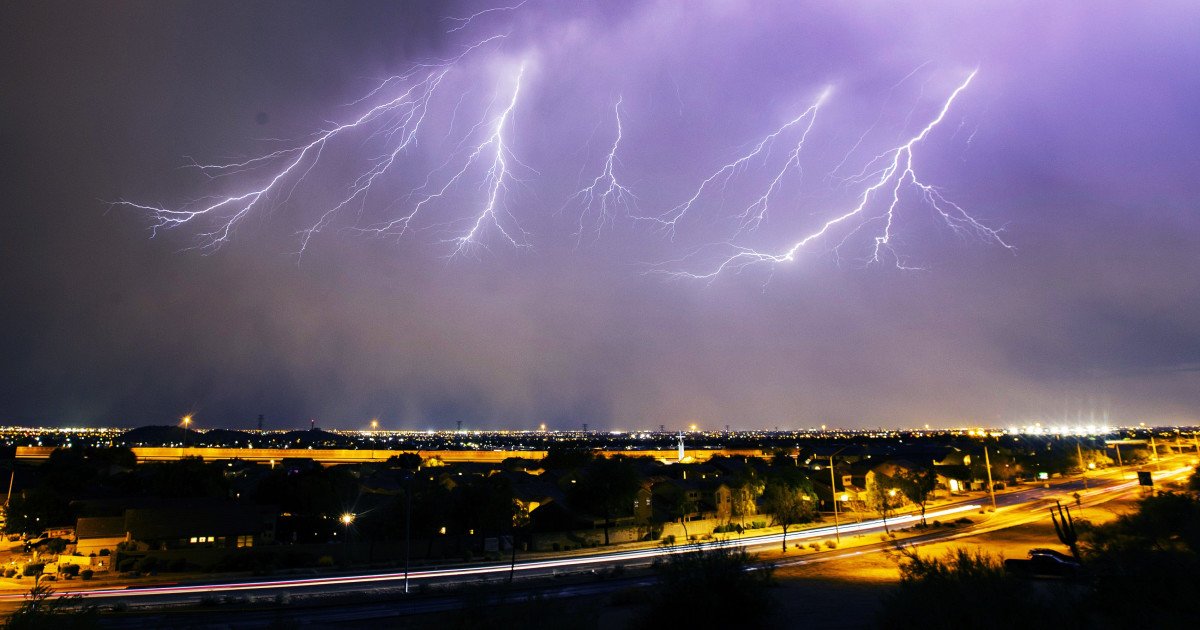
Sports fans and athletes across the Southeast, get ready to batten down the hatches. A powerful line of severe thunderstorms is set to slam into four U.S. states on Monday, threatening to turn game plans and outdoor activities upside down. The National Weather Service has sounded the alarm for Florida, Georgia, South Carolina, and North Carolina, warning of a dangerous cocktail of weather hazards poised to sweep through the region.
A Multi-Threat Menace
This isn't your average spring shower. Forecasters are predicting a significant severe weather event packing a serious punch. The primary threats include frequent and dangerous cloud-to-ground lightning, torrential downpours that could lead to flash flooding, and damaging straight-line winds capable of knocking down trees and power lines. Perhaps most concerning for property and anyone caught outside is the potential for large, destructive hail. This kind of severe weather outbreak is a stark reminder of nature's power, especially during the volatile spring season.

The timing couldn't be more disruptive for the sports world. From community little league fields to major golf courses and tennis complexes, any outdoor event is at risk. This severe threat follows a pattern of turbulent weather impacting sporting events, much like the system that disrupted games across ten states recently. It also echoes the disruptive potential seen in other major storms, such as the game-changing thunderstorm threat that targeted six states just days ago.
Your Severe Weather Game Plan
When the skies turn threatening and warnings are issued, having a playbook is crucial for safety. The most important rule: when thunder roars, go indoors. There is no safe place outside during a lightning storm. If you're at home, move to an interior room on the lowest floor, away from windows. Bring your pets with you. At school or work, avoid large, open spaces like gymnasiums or cafeterias, and stay away from windows.
If you're caught outdoors with storms approaching, seek shelter in a substantial, enclosed building immediately. Do not seek refuge under trees, in sheds, or in picnic shelters—these can become deadly traps in high winds or from lightning strikes. For those in vehicles, while a car is safer than being outside, it is not safe from lightning or falling debris. The best action is to drive to the nearest sturdy building. Remember, no game or practice is worth risking your life.
Staying informed is your first line of defense. Keep a battery-powered NOAA Weather Radio handy or monitor trusted local news sources for the latest watches and warnings. A severe thunderstorm watch means conditions are favorable for storms to develop; a warning means severe weather is imminent or already occurring—that's your signal to take action immediately.
This severe weather event serves as a critical reminder for event organizers and local sports leagues across the Southeast. Proactive communication and having clear cancellation and shelter-in-place protocols are essential. The safety of players, staff, and fans must always be the top priority, even if it means postponing the big game.
As the region prepares for Monday's onslaught, it's a fitting time to remember that weather is the ultimate opponent that no team can defeat. While we often focus on extreme heat waves out west or late-season snow events, the violent spring thunderstorms in the Southeast present a unique and immediate danger. Let's all play it safe, heed the warnings, and ensure everyone makes it through this storm system ready for the next pitch, putt, or kickoff under clearer skies.