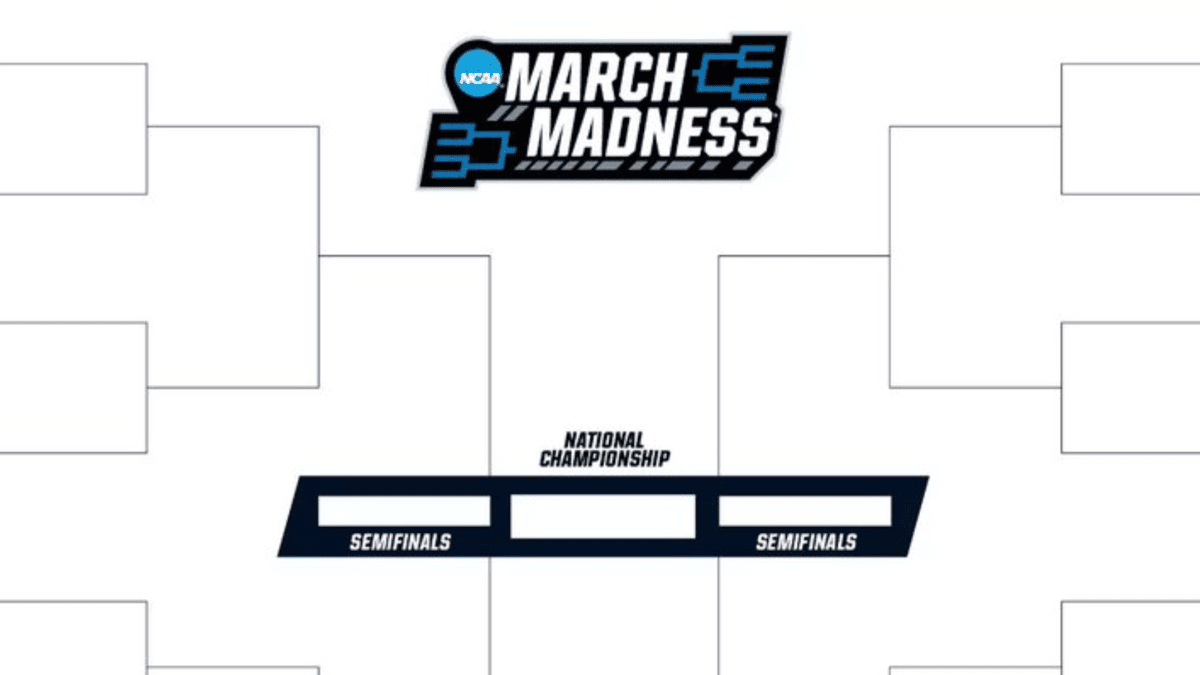
Get ready for even more March Madness. The NCAA men's and women's basketball tournaments are officially expanding to 76 teams, starting next season. The move, which received unanimous approval from both the men's and women's oversight committees during emergency meetings, adds eight more teams to the field and reshapes the bracket we've known for years.
This isn't just a rumor. CBS Sports insider Matt Norlander confirmed the news, reporting that the vote was unanimous and that an emergency joint meeting of the men's and women's basketball oversight committees also gave the green light. The change still needs to be ratified by the Division I cabinet and the NCAA Board of Governors, but the momentum is clear. The next step is a May 22 meeting of the Division I cabinet, which is expected to pass the motion.

What the 76-Team Bracket Looks Like
So, what does a 76-team bracket actually look like? The expansion adds eight at-large bids, bringing the total number of teams to 76. The structure will likely include additional play-in games, similar to the First Four, to whittle the field down to 64 before the traditional round of 64 begins. This means more teams get a shot at the title, and more drama unfolds in the opening rounds.
This change comes at a time when college basketball is already buzzing with conversation about how the tournament is evolving. The expansion is a direct response to the shifting landscape of college sports, where mega-conferences and strength-of-schedule debates have become central to selection Sunday.
Seth Greenberg Defends the Expansion
Not everyone is thrilled about the 76-team bracket. Critics argue it dilutes the tournament's exclusivity and rewards mediocrity. But former Virginia Tech head coach Seth Greenberg is pushing back hard. In a passionate social media video, Greenberg told fans to “get over yourselves” and explained why the expansion makes sense.
“When you have these mega-conferences, you’re playing 20-game schedules, and you know what, you might be 8-12. But those eight games that you won, five of them might be against teams that are in the top-25,” Greenberg said. He pointed out that teams with tough schedules often have strong wins that don't show up in their overall record. “All of the sudden, you have seven wins against top-25 teams. You got seven wins against teams that are going to advance in the NCAA Tournament. And yeah, your record might not be great. It might be 18-12, or it might be 17-13, but you’re a team that can win games in the NCAA Tournament.”
Greenberg also highlighted the benefit for mid-major conferences like the Atlantic 10, Mountain West, and Missouri Valley, which often get squeezed out of the tournament despite strong seasons. “The expansion is going to potentially give the Atlantic 10 a better opportunity, the Mountain West a better opportunity, the Missouri Valley a better opportunity to get more teams in the tournament,” he said.
The Bigger Picture
The expansion is part of a broader trend in college sports, where bracketology has become a year-round obsession. With more teams in the field, the selection committee will have to balance resumes, strength of schedule, and conference championships more carefully than ever.
Greenberg also noted that the expansion could actually improve the regular season. “Look at the non-conference games that are being played right now because people aren’t afraid to potentially take a loss because they know that it will help their body of work,” he said. “The NCAA Tournament is in great hands, and 76 will have no impact on the regular season, nor will it have an impact on the NCAA Tournament.”
Only time will tell how the new format shakes out. But one thing is certain: March Madness just got a little bit bigger, and the debate over who deserves a spot is only going to intensify. We'll see you next March.