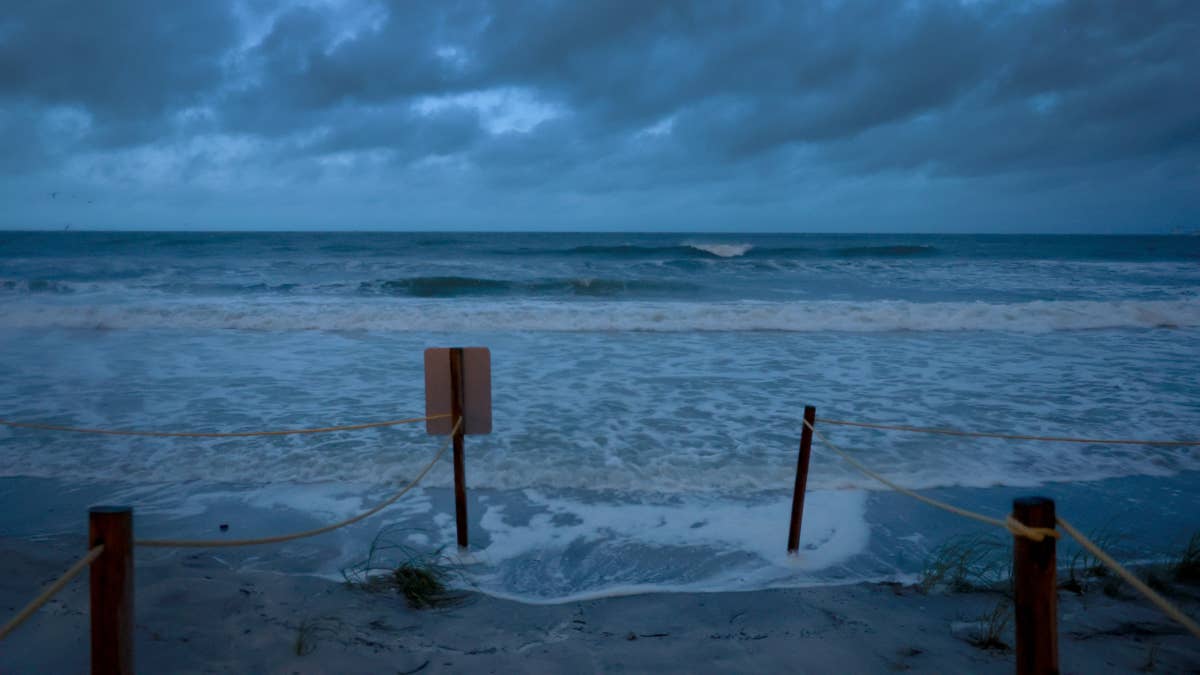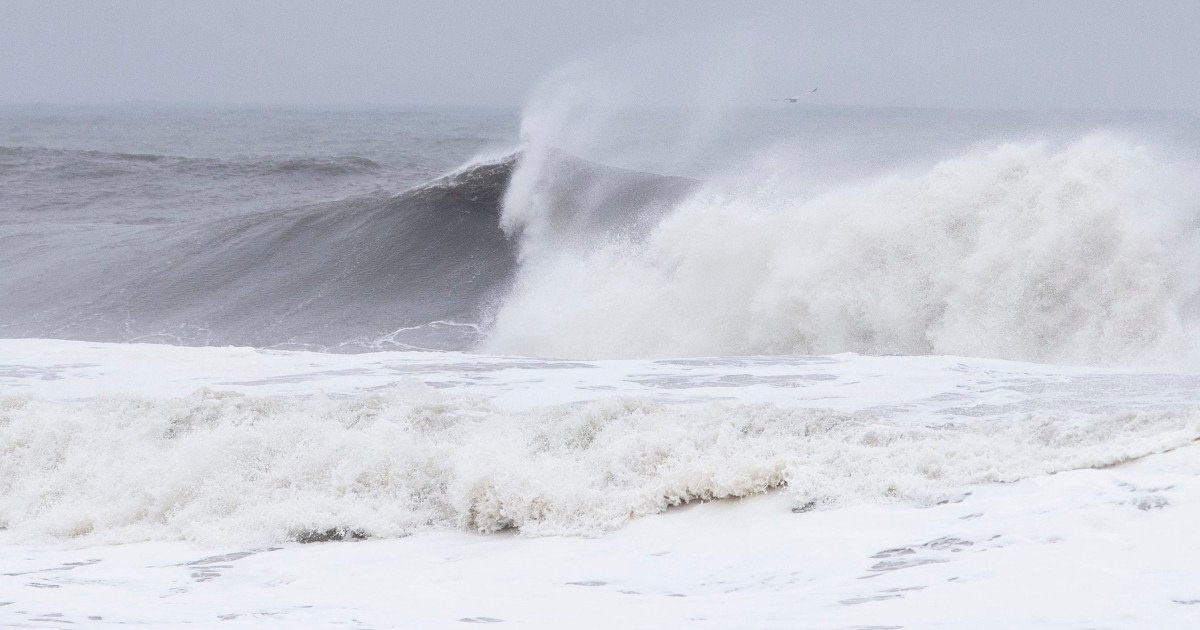
Spring is in the air, and for millions, that means one thing: it's almost time for the annual migration to the coast for Spring Break. But before you pack your sunscreen and flip-flops, the National Weather Service (NWS) in Tampa Bay is sounding a serious alarm. They've just released a crucial three-point safety advisory specifically targeting the 2026 beach season, urging revelers to prioritize awareness over excitement.
The Hidden Danger Beneath the Waves
The primary focus of the NWS warning is a familiar but often underestimated coastal hazard: rip currents. These powerful, narrow channels of water flow swiftly away from shore, capable of pulling even the strongest swimmers out to sea in seconds. They frequently form near low spots in the sandbar or around structures like piers and jetties, and their deceptively calm appearance can lure unsuspecting swimmers into a deadly trap.

"The water may look inviting, but hazards can hide in plain sight," warned NWS Tampa Bay in a stark social media post. "Before you dive in, talk to the lifeguard or beach patrol. They're trained to spot dangers like rip currents." The agency's message is clear: have a plan before your feet hit the sand.
Three Lifesaving Steps from the Experts
The NWS advisory boils down to three essential actions for every beachgoer. First, always check in with lifeguards or beach patrol upon arrival. These professionals have their eyes trained on the water's subtle clues. Second, take a moment to actively assess conditions from an elevated spot, like a dune or beach access point. Look for telltale signs such as a channel of darker, calmer water between areas of breaking waves.
Finally, know how to react. If caught in a rip current, the cardinal rule is not to fight it by swimming directly back to shore. This leads to exhaustion and panic. Instead, swimmers should stay calm, float, and swim parallel to the shoreline until they escape the current's pull, then angle back to land.
The urgency behind this warning is backed by sobering statistics. Rip currents are responsible for approximately 100 fatalities in the United States each year, making them the leading cause of deaths in the surf zone. This advisory serves as a critical reminder that safety must be part of the vacation itinerary, much like the recent U.S. Issues Urgent Tornado Safety Alert Following Deadly Weekend Storms highlighted preparedness for inland severe weather.
A Proactive Push for Awareness
This early alert for the 2026 season underscores a proactive shift in public safety messaging. By targeting Spring Break planners now, the NWS aims to embed these safety protocols into the travel mindset well ahead of time. It's a strategy similar to other precautionary campaigns, such as the Spring Forward Safety: NWS Issues Triple Alert for Post-Daylight Saving Hazards.
The call for vigilance extends beyond just ocean coasts; these currents can also occur along Great Lakes beaches. The core message is universal: respect the power of nature. Whether you're a student heading to Florida for a week of fun or a family on a coastal getaway, taking a few minutes to understand rip currents could make the difference between a scary story and a tragic headline.
As communities rally around safety in various sports contexts—from the WNBA Community Rallies Around Rickea Jackson Amid Disturbing Safety Concerns to the logistical changes seen in the Safety First: Saudi Flag Football Showdown Relocates to Los Angeles Amid Conflict—this NWS advisory is a fundamental play for personal safety. So as you dream of warm sand and cool waves for Spring Break 2026, remember the NWS's triple warning: Talk to the lifeguard, scout the water, and always have an escape plan. Your best beach day is a safe one.