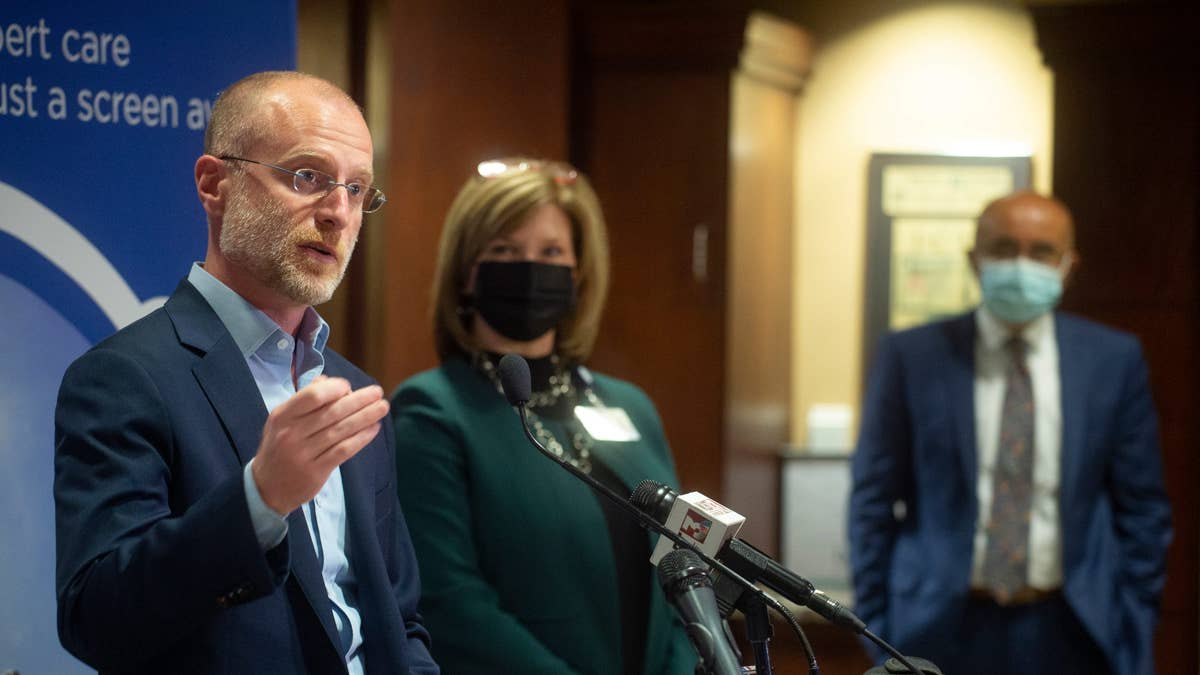
For sports fans tired of juggling multiple streaming services to catch their favorite teams, the Federal Communications Commission (FCC) might not be the savior they were hoping for. Chairman Brendan Carr recently admitted that major regulatory action on sports broadcasting is far from guaranteed, dousing the hopes of those who want to see a return to the simpler days of free over-the-air TV.
Back in February, the FCC issued a public notice acknowledging the seismic shift in how fans consume sports. Games that once aired on networks like CBS and FOX have increasingly migrated behind paywalls, forcing viewers to subscribe to platforms like Amazon Prime Video, Netflix, and YouTube. The FCC noted that while this change has expanded the variety of sports available, it has also made it harder for fans to find and afford the events they want to watch.

Countless fans have voiced frustration over the mounting costs of streaming subscriptions. But when asked whether the FCC would step in with new regulations, Carr offered little reassurance. “We’re just trying to make sure that we’re educated on these issues,” he told Bloomberg. “It’s not clear whether there will be a regulatory outcome or not.”
This cautious stance comes as streaming giants continue to deepen their ties with major sports leagues. The NFL, for example, has embraced platforms like Netflix and YouTube, rewarding them with additional game rights despite widespread online complaints about fragmentation. According to CNBC’s Alex Sherman, the league is expected to give Netflix and YouTube extra games this fall, including two Christmas Day contests for Netflix. That deal may hinge on inventory availability, but it signals that streaming is here to stay.
The trend isn’t limited to the NFL. The Padres' recent sale and promise of a championship push highlight how even traditional sports franchises are adapting to a changing media landscape. Meanwhile, the Athletic's internal struggles over media controversies show that the industry itself is grappling with these shifts.
For fans hoping the FCC would force networks to keep games free and accessible, Carr’s comments are a reality check. The commissioner emphasized that the agency’s goal is simply to stay informed, not to intervene. That leaves viewers with few options beyond paying up or missing out on key matchups.
Streaming has become an inevitable part of the sports ecosystem. As more games move behind paywalls, the question isn’t whether the FCC will act—it’s whether fans will continue to foot the bill. For now, Carr’s admission suggests that the answer is a quiet “no” to regulatory change, leaving the future of sports TV in the hands of the market.