When you think of Disney World, you might picture Mickey Mouse ears, churros, and family fun—not fashion police. But for one visitor, a trip to the "Most Magical Place on Earth" came with an unexpected official reprimand over her wardrobe choices.
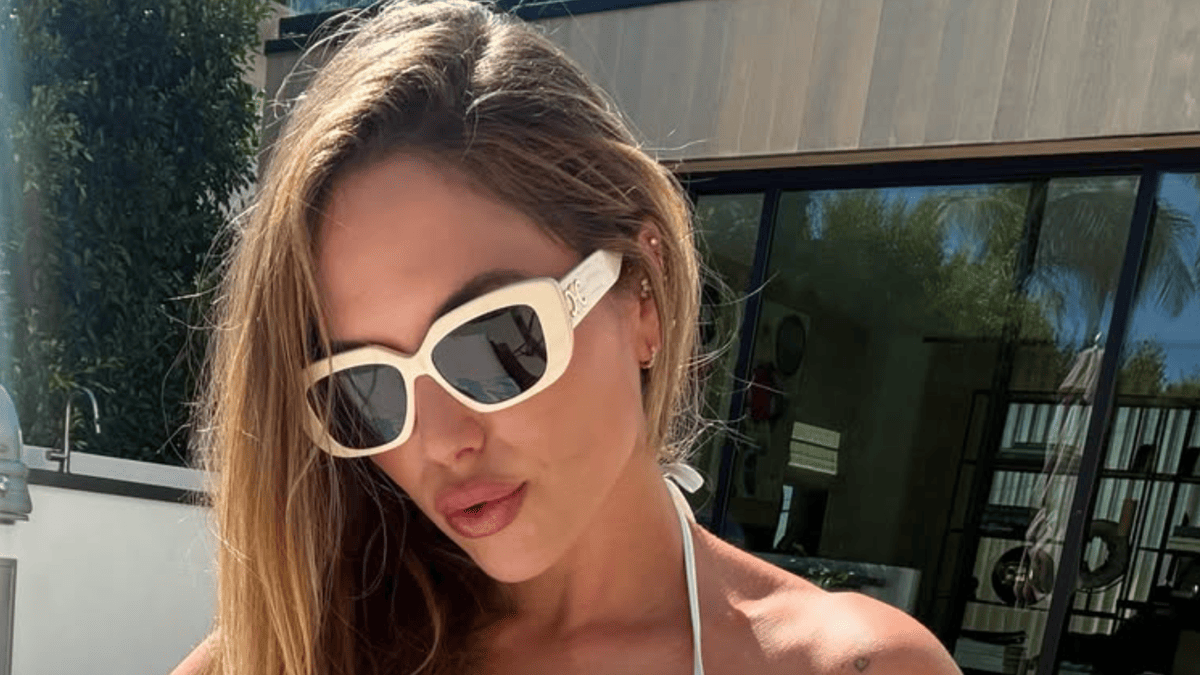
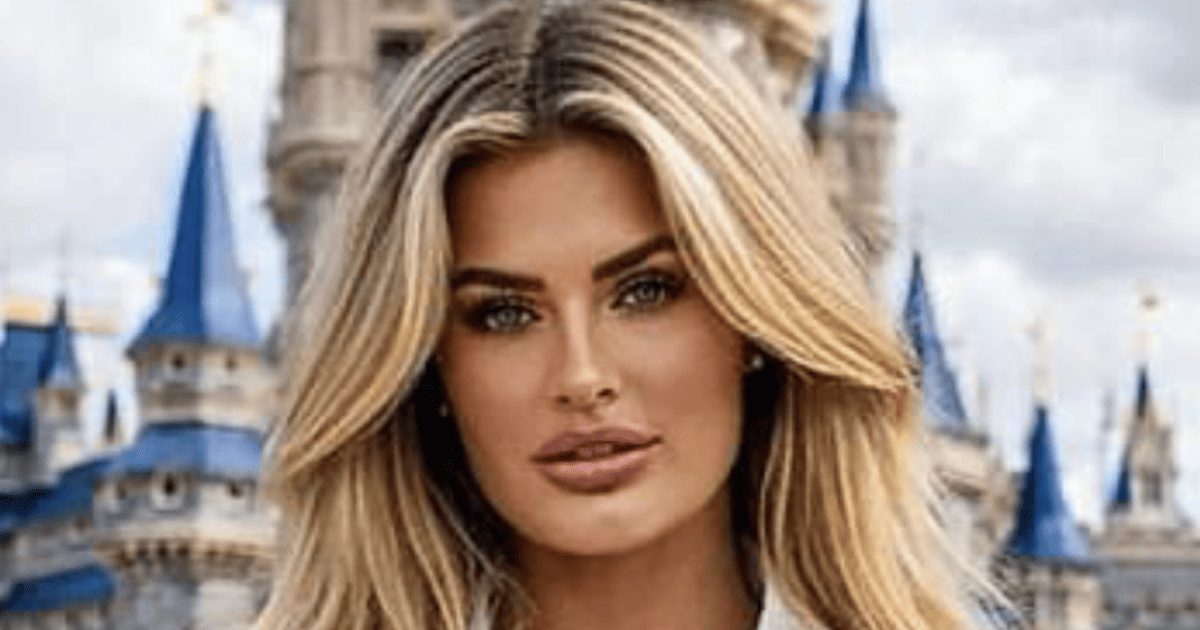
Marina Smith, a Brazilian model and social media influencer boasting close to a million Instagram followers, recently visited Disney World in Florida. For her day among the princesses and parades, Smith chose what she described as a "short, form-fitting" ensemble: a white crop top paired with tight blue jeans and sneakers. It's an outfit she says she'd wear on trips anywhere else, but at Disney, it landed her in hot water.
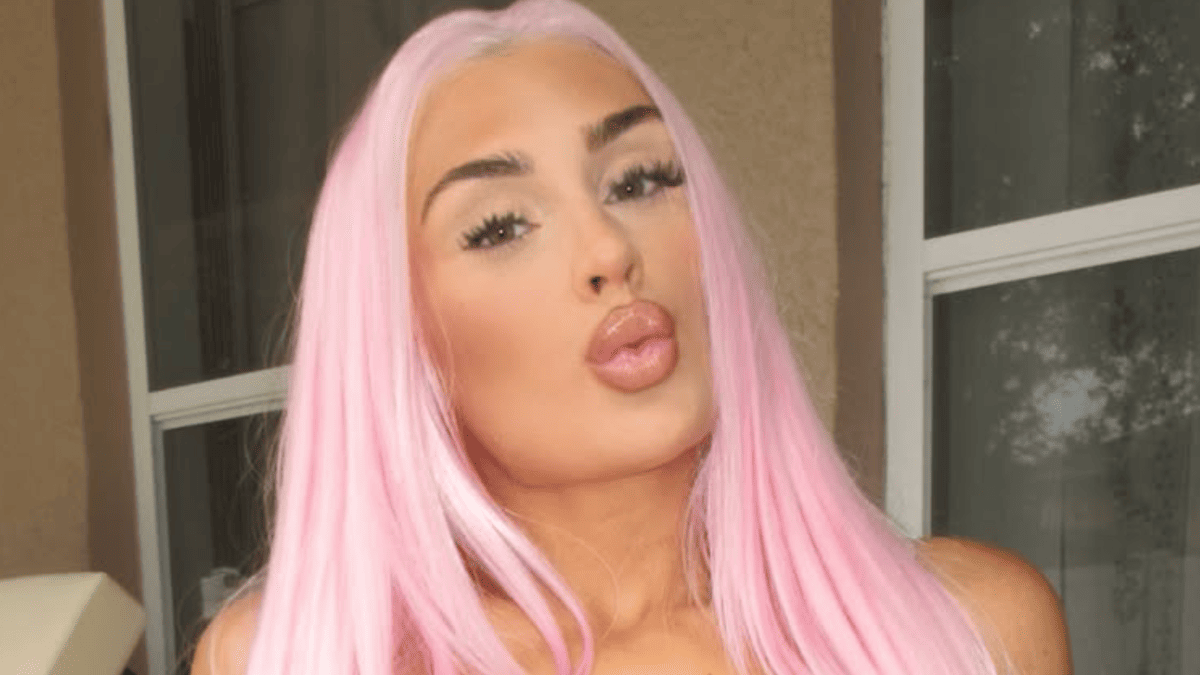
"It's something I would normally wear on trips or in other places. I didn't think it would cause this kind of reaction there," Smith explained after the incident. The reaction she's referring to? An official warning from park staff, delivered after they received complaints from other guests about her attire.
Smith expressed surprise not just at the warning, but at how it came about. "What caught my attention the most was realizing that people preferred to complain instead of speaking directly to me," she noted, highlighting the behind-the-scenes nature of the grievance.
The Official Rulebook
Disney World isn't a fashion free-for-all. The park maintains a specific dress code for guests aged 14 and older, designed to preserve what it calls a "family environment." The policy explicitly prohibits clothing that "exposes excessive portions of the skin that may be viewed as inappropriate." While the rules don't provide a precise measurement for "excessive," they leave room for interpretation by park employees, who are tasked with making judgment calls on thousands of visitors daily.
This kind of behind-the-scenes enforcement story reminds us that the sports and entertainment worlds are full of unexpected rules and reactions. Just as athletes can face travel chaos that disrupts entire seasons, as seen when airport chaos grounds the sports world, or when public figures make controversial statements that ripple through multiple communities, like when political remarks spark outrage across worlds, everyday visitors to major venues can find themselves caught in unexpected controversies.
Despite the formal warning, Smith was allowed to continue her visit without having to change her clothes. She took to Instagram afterward with a defiant message that seemed to reference the encounter: "Not every princess wants to be saved… some write their own story." The post, accompanied by photos from her Disney day, has sparked considerable discussion among her followers about personal style versus venue policies.
Where Personal Style Meets Park Policy
The incident raises interesting questions about fashion, self-expression, and the rules that govern public spaces designed for mass appeal. Theme parks like Disney World walk a tightrope—they want guests to feel comfortable and express themselves, but within boundaries that maintain an atmosphere suitable for visitors of all ages.
This isn't the first time dress codes have made headlines in the world of sports and entertainment. From the strict uniform policies in professional sports leagues to the evolving fashion standards in golf and tennis, what we wear in public venues often comes with unspoken—and sometimes very spoken—rules. The debate echoes larger conversations happening across sports, like those questioning whether new regulations around NIL and the transfer portal are changing the game in college sports.
For now, Smith's story serves as a reminder to check the fine print before packing for your next adventure, whether you're heading to a theme park, a stadium, or any venue with its own set of community standards. As the lines between personal branding, social media influence, and public decorum continue to blur, these clashes between individual expression and institutional rules are likely to become more frequent—and more publicly debated.