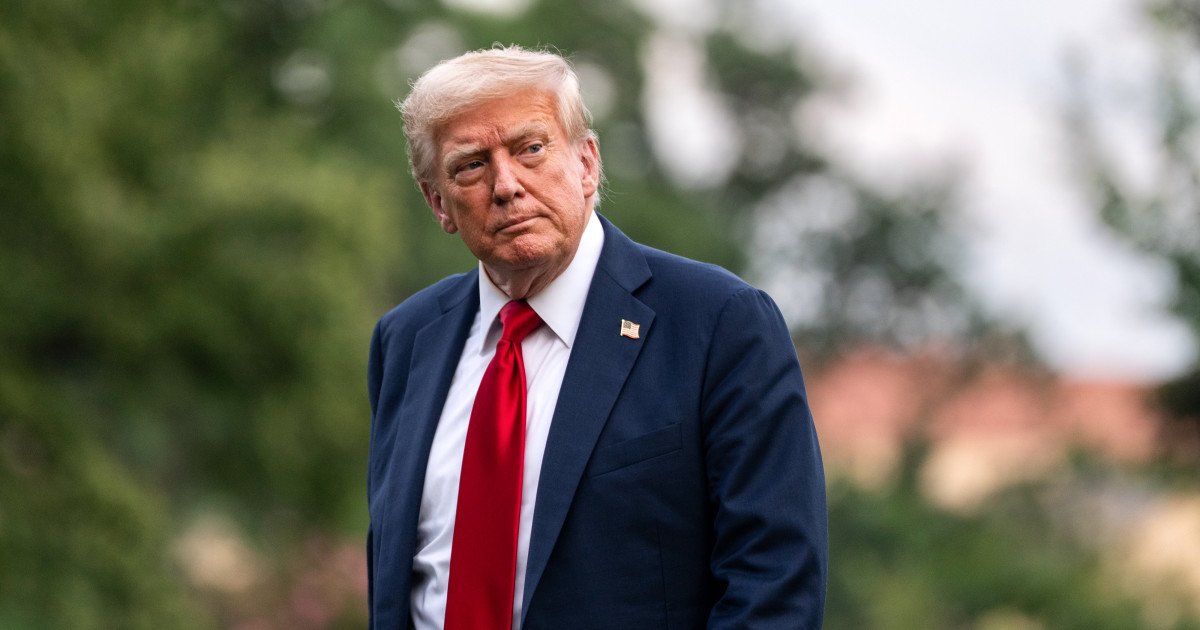
In a move that has ignited a firestorm of criticism, former President Donald Trump is facing intense backlash for his response to the death of Robert Mueller, the former FBI Director who led the investigation into Russian interference in the 2016 election. The controversy erupted over the weekend after Trump took to his social media platform to share his unfiltered reaction.
A Social Media Grenade
News of Mueller's passing broke on Saturday. The former director, who also served as Special Counsel, had been known to battle Parkinson's disease in his later years. Trump's response was swift and blunt. "Robert Mueller just died," he wrote on Truth Social. "Good, I'm glad he's dead. He can no longer hurt innocent people!" The post immediately ricocheted across the internet, drawing condemnation from countless Americans who viewed the statement as profoundly disrespectful.

The reaction was both rapid and severe. Social media users from all walks of life expressed their disgust, arguing that such commentary is unbecoming of anyone, let alone a former commander-in-chief. "This is not how a US president talks," one person stated flatly online. Another simply called the remarks "so gross," while a third criticized Trump's perceived lack of restraint: "He feels he's entitled to say anything he wants regardless of how uncouth it is."
A Pattern of Provocative Commentary
This incident is not Trump's first foray into controversial statements about public figures. His public persona often blends political bombast with personal grievance, a style that consistently generates headlines. For instance, his tribute to the late action star Chuck Norris was notably more deferential, highlighting the selective nature of his public condolences. Meanwhile, the sports world has its own issues with respect and misinformation, as seen when a false death hoax about NFL legend 'Mean' Joe Greene required official denial from the Pittsburgh Steelers.
The backlash against Trump's Mueller comments underscores a broader cultural conversation about decorum and leadership. Sports analysts have not shied away from critiquing political figures either; ESPN's Stephen A. Smith once delivered a fiery takedown of Trump's leadership style, demonstrating how sports commentary often intersects with larger national debates.
Context and Lasting Impact
Robert Mueller's legacy is complex. Appointed as the sixth director of the FBI, he served for 12 years, steering the bureau through the aftermath of the 9/11 attacks. His later role as Special Counsel placed him at the center of one of the most politically charged investigations in modern American history, making him a perpetual figure of contention for Trump and his supporters. The exact cause of his death has not been publicly released, though his long-reported health struggles were widely known.
As the digital dust settles, the episode serves as another flashpoint in the ongoing discussion about civility in public discourse. It raises questions about the expectations placed on former presidents and the lines between personal opinion and public responsibility. In an era where athletes regularly use their platforms for social commentary and public figures clap back at critics, Trump's approach remains uniquely confrontational.
The weekend's events prove that words from influential figures still carry immense weight, capable of uniting people in celebration or, as in this case, uniting them in widespread condemnation. The story continues to develop as more reactions pour in, solidifying another controversial chapter in the intersection of politics, media, and public perception.