March Madness is supposed to be the land of fairy tales, where glass slippers fit and giants fall. But as the 2026 NCAA Men's Basketball Tournament rolls into its second round, a startling reality is setting in: the clock may have struck midnight on Cinderella for good. The highest-seeded teams still dancing on Sunday are a pair of No. 9 seeds—Iowa and Utah State—a fact that has the college basketball world asking a tough question. Has the magic been drained from the Big Dance?
The New Landscape: Money Talks, Underdogs Walk
The heart of March Madness has always been the shocking upset, the plucky mid-major from a one-bid conference taking down a Goliath. But longtime college basketball voice Jeff Goodman delivered a sobering take that's resonating across the sport. "Favorites went 16-0 yesterday," Goodman noted, pointing to a first round that saw 13 of 32 games decided by 20 or more points. "I hate to admit it, but due to NIL & transfer portal, Cinderellas may be dead."
Goodman highlighted High Point as the only true mid-major still alive, attributing their survival to having one of the most robust NIL collectives in a one-bid league. This underscores a new, financially-driven hierarchy. The era of Name, Image, and Likeness deals and the free-flowing transfer portal has created a system where talent consolidates at programs that can pay, making the traditional, resource-starved underdog run nearly impossible to sustain over multiple tournament games.
Fans Weigh In: Analytics, Access, and Cold Hard Cash
The debate is raging online, with fans dissecting every angle. Some point to a more analytical approach to the game. "A major cause of the reduction of upsets is being completely overlooked—the adoption of the same analytics and focus on efficiency by almost all teams," one fan argued, suggesting the strategic advantages that once helped underdogs have evaporated.
Others point to systemic issues, like metrics that favor Power Five conferences and keep strong mid-majors out of the field, resulting in fewer genuine Cinderella candidates. But the most glaring evidence might be in the ledger books. One fan crunched the numbers, revealing a staggering disparity: "The average cost per roster for teams in the round of 32 from power conferences is $8.6 million. The average for non-power 5 teams is $2.3 million." In this new world, Cinderella needs a billionaire benefactor, not a fairy godmother.
Pushback and Perspective: Is the Obituary Premature?
Not everyone is ready to bury the underdog. Some fans pushed back against the doom-and-gloom, calling it an overreaction. They cited recent scares, like Duke's nail-biter against Siena or Kentucky's miracle escape against Santa Clara, as proof the magic isn't totally gone. They also noted that programs like VCU, Utah State, and Saint Louis carry the mid-major banner. The truth, as it often does, likely lies somewhere in the middle.
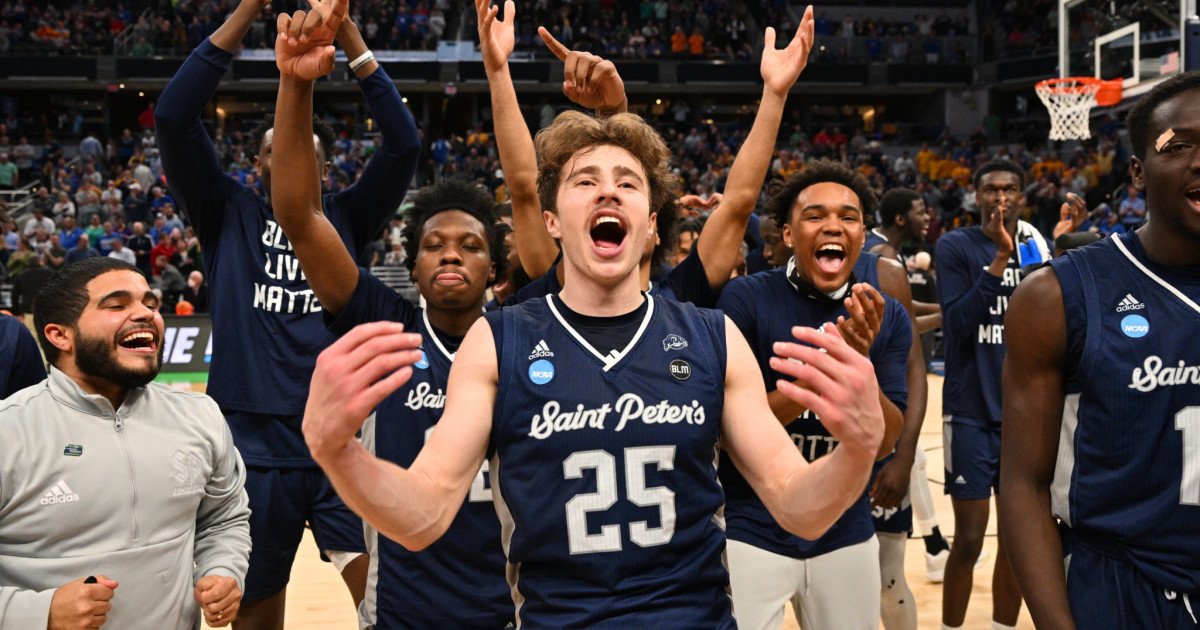
The tournament's charm is its unpredictability, but the foundational elements that created that chaos are shifting. While a single shocking upset will always be possible, the kind of sustained, multi-week run that defines a true Cinderella—think Saint Peter's magical Elite Eight journey in 2022—faces unprecedented hurdles. The financial arms race, accelerated by NIL, is creating a new class system in college basketball.
As the second round tips off, all eyes will be on those No. 9 seeds and the lone surviving mid-major. Can they provide a spark of the old madness, or are they merely the new face of a more predictable, financially stratified tournament? The games will tell the story, but one thing is clear: the era of the little guy winning just with heart and hustle is facing its toughest opponent yet—the bottom line.