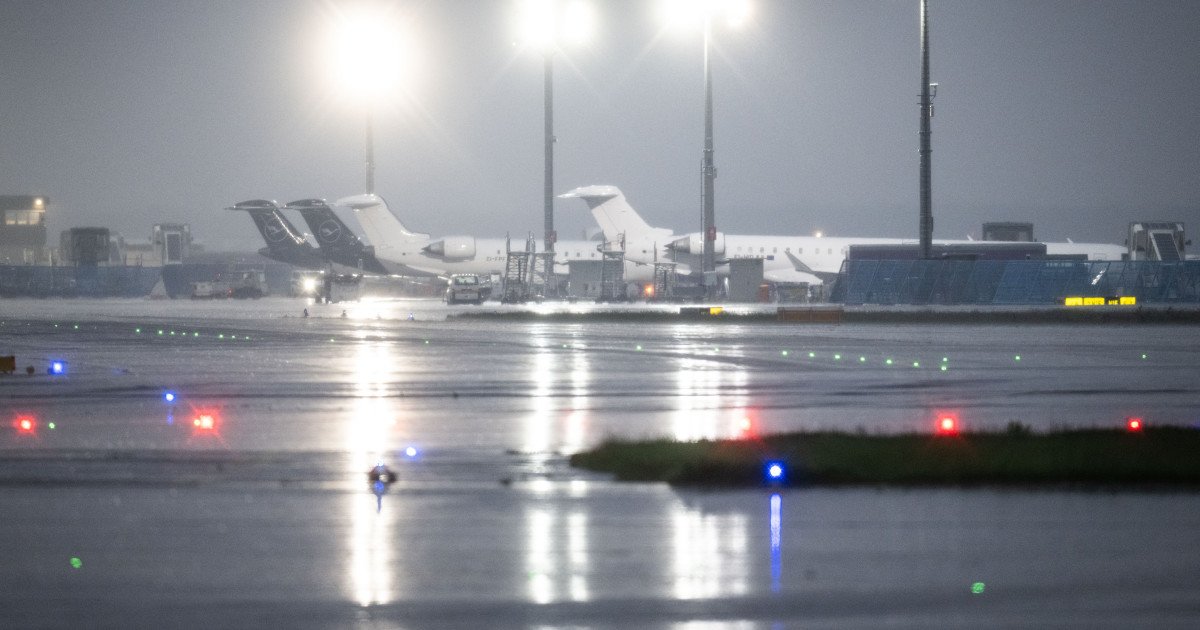
The skies over American sports are anything but friendly. A cascading series of airport crises is throwing the travel schedules of professional and collegiate teams into complete disarray, creating logistical nightmares at the worst possible time.
A System in Crisis
The ongoing partial U.S. government shutdown has severely depleted TSA staffing, leading to wildly unpredictable security wait times and flight delays across the nation. This foundational instability has been compounded by two shocking incidents in the New York area. A deadly collision at LaGuardia Airport between an Air Canada-operated flight and a fire truck resulted in two pilot fatalities and dozens hospitalized, forcing the airport's closure. Almost simultaneously, Newark International Airport's air traffic control tower was evacuated due to reports of smoke, triggering a ground stop. For teams that live on the move, the message is clear: the nation's travel infrastructure is buckling.

March Mayhem for the NCAA
The timing could not be worse for college sports. As the 2026 NCAA Tournament approaches, the organization has been forced to issue an unprecedented travel warning to all participating men's and women's basketball teams. The core of the problem? A severe nationwide shortage of charter aircraft. "The logistical challenge of moving almost all participating teams... within 12-72 hours beginning Selection Sunday night is compounded by the busy spring break travel season, the national shortage of charter aircraft... and the potential TSA impact," the NCAA stated. They've advised teams that "extreme flexibility" will be necessary, especially in the tournament's frantic first week. This travel chaos adds another layer of unpredictability to the already intense competition for the national title.
MLB's Opening Week Jitters
While college basketball grapples with a condensed schedule, Major League Baseball is staring down a six-month marathon where constant travel is the norm. With the regular season set to begin, all 30 clubs face the prospect of navigating this airport chaos every few days. A single delayed or canceled charter flight can disrupt pitching rotations, ruin pre-game routines, and exhaust players before they even step on the field. The league's intricate scheduling, designed for competitive balance, is suddenly vulnerable to factors far beyond the baseline.
Searching for Solutions
In response to the escalating crisis, the federal government has taken unusual steps, deploying ICE agents to several major airports to assist with staffing gaps. While intended to alleviate pressure, the move underscores the severity of the breakdown. There is no quick fix in sight, leaving sports travel directors scrambling for contingency plans. The situation echoes other recent national safety concerns, like the urgent alerts issued for outdoor activities following tragic accidents.
The Human and Competitive Toll
Beyond the logistics, the human element is profound. The tragic deaths at LaGuardia are a sobering reminder of the stakes. For athletes and staff, the stress of uncertain travel compounds the already high-pressure environment of competition. Fatigue from extended airport stays and disrupted sleep patterns can directly impact performance, potentially altering outcomes on the court and field. This isn't just an inconvenience; it's a variable that could tangibly shape seasons.
As leagues and the NCAA work behind the scenes to secure scarce charter resources and plot alternative routes, players and coaches can only wait and hope for smoother skies ahead. The hope is for a swift resolution, not just for the sake of the games, but for the safety and sanity of every traveler navigating this turbulent moment in American aviation. This widespread disruption serves as a stark reminder of how interconnected sports are with national infrastructure, a link that is currently the weakest it's been in years.