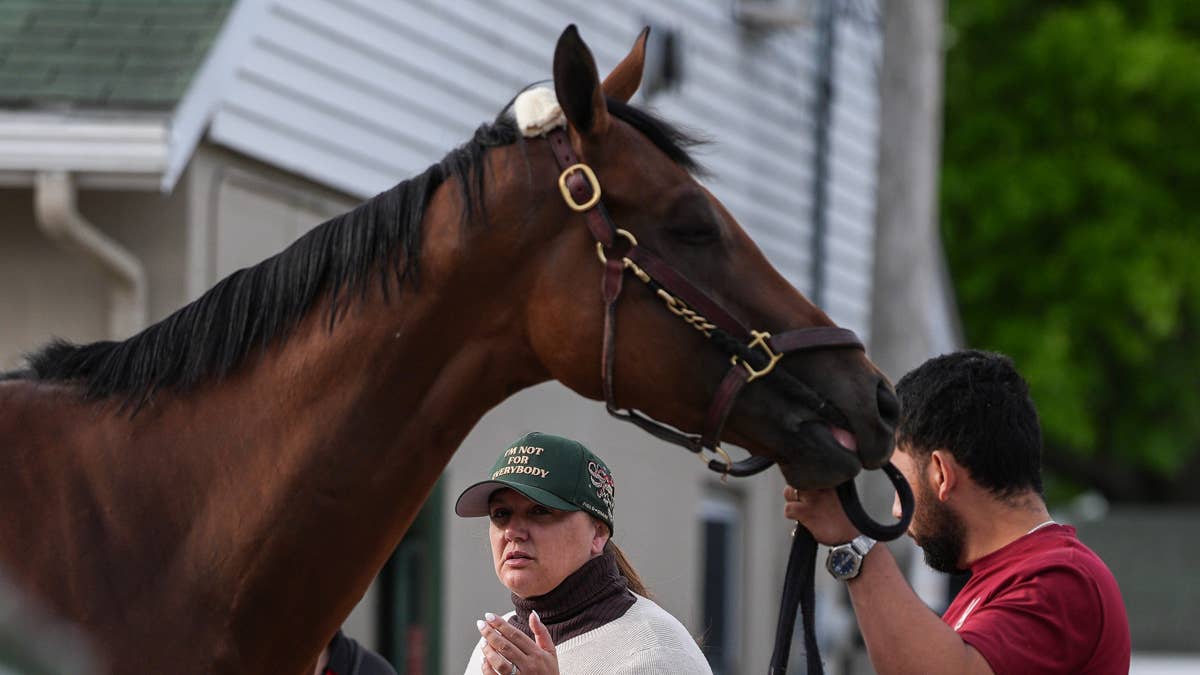
Fresh off a thrilling Kentucky Derby victory, trainer Cherie DeVaux has made a bold move that's got the horse racing world buzzing: Golden Tempo is sitting out the Preakness Stakes. Instead, the star colt will set his sights on the Belmont Stakes in June, a decision that's reignited a fiery debate about the demands of the Triple Crown.
In a statement released by the stable, DeVaux explained the reasoning behind the call. “After much thoughtful discussion as a team, we have decided that Golden Tempo will bypass the Preakness Stakes,” she wrote. “Golden gave us the race of a lifetime in the Kentucky Derby, and we believe the best decision for him moving forward is to give him a little more time following such a tremendous effort. His health, happiness, and long-term future will always remain our top priority.”

The move marks the second consecutive year a Derby winner has opted out of the Preakness. Last year, Sovereignty's connections made the same choice, and the horse went on to win the Belmont Stakes. That success has fueled speculation that perhaps Sovereignty could have chased the Triple Crown—but now, the pattern is raising bigger questions about the sport's structure.
For nearly four decades between 1978 and 2015, the Triple Crown seemed like an impossible dream, with dozens of horses trying and failing. Then American Pharoah broke through in 2015, followed by Justify in 2018, proving it could be done. But outside those two legends, no Derby winner has managed to capture the Preakness, which comes just two weeks after the Derby—roughly half the rest time horses typically get between races.
The debate has shifted from whether the Triple Crown is too taxing to win to whether it's even worth attempting. Fans have flooded social media with passionate takes. “Imagine sprinting your hardest for miles, then being asked to do it again in 2 weeks rest. Makes sense,” one user posted on X. Others were less forgiving: “What an absolutely pathetic decision. Don’t enter The Triple Crown if you are not gonna go for it. What it really says is you don’t believe in Golden Tempo.”
Still, many applauded DeVaux's focus on the horse's well-being. “Excellent decision. You love your horse that is obvious,” a third commenter wrote. “Love to see putting the beautiful animal’s health first. He is magnificent. Thank you!”
The controversy has sparked fresh calls for schedule reform. Some advocates argue that adjusting the Triple Crown calendar—perhaps by adding more rest between legs—could make it more feasible for horses to attempt all three races. But such a change would likely anger connections of the many horses who tried, failed, and might have won with a little more time. It could also diminish the historic challenge that defines the Triple Crown.
DeVaux's decision echoes the broader conversation about the Triple Crown's tight schedule, which has come under scrutiny as more trainers prioritize horse welfare over the pursuit of glory. For now, Golden Tempo will rest, recover, and aim for the Belmont Stakes—a race that could cement his legacy, even if it leaves the Triple Crown dream unfulfilled.