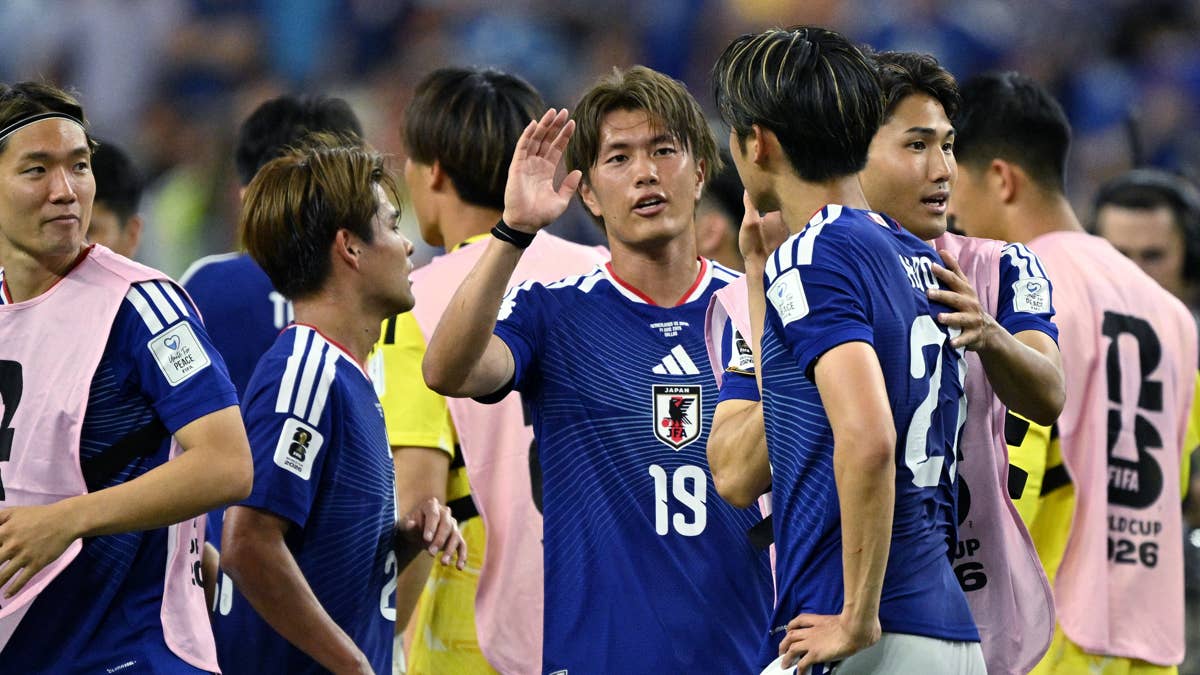
Rafael van der Vaart, the former Tottenham and Real Madrid midfielder turned World Cup broadcaster, has issued an apology after making a comment about the appearance of Japan's national team players during a live broadcast. The remark, which he described as a joke, has drawn sharp criticism from anti-discrimination groups and fans alike.
The incident occurred while van der Vaart was analyzing the Netherlands' 2-2 draw with Japan for Dutch network NOS. Discussing a defensive mix-up involving Micky van de Ven, he said, “They do all look alike, of course, perhaps he thought that,” before adding, “That’s a joke, of course. I’m scared to say anything at all.”

Van der Vaart quickly faced backlash on social media, with many accusing him of perpetuating racist stereotypes. In a statement to The Athletic, the 41-year-old said he never intended to harm anyone. “I understand that some people found my words hurtful. I sincerely regret that. If I have upset people because of this, I offer my apologies. That was never my intention,” he wrote.
He emphasized that there was “no racist or discriminatory intent” behind his words and hoped his explanation would clarify the context. However, the apology has not satisfied everyone. Kick It Out, an organization dedicated to eradicating racism in soccer, condemned the remark. A spokesperson said, “It’s hugely disappointing to hear former players peddling racist stereotypes about Japan’s team and then double down by trying to defend the comments as a joke.”
The group noted that even without malicious intent, such comments can still have a negative impact on East and Southeast Asian communities, especially given the massive global audience of the World Cup. This incident is not the first time a broadcaster has faced scrutiny during the tournament; earlier, another announcer was yanked off air after confusing Iran and New Zealand for several minutes.
Van der Vaart’s case also echoes broader concerns about commentators' hot takes during major events. While the former soccer star has stepped back from the controversy, the debate over responsibility and sensitivity in sports broadcasting continues.
As the World Cup progresses, networks are being urged to provide additional training for on-air talent to avoid similar missteps. For now, van der Vaart’s apology stands, but the sting of his words lingers for many viewers.