The Indiana Fever's West Coast swing concludes Sunday with a matinee against the Minnesota Lynx, but the game itself might not be the main story. A vocal group of demonstrators is expected to gather outside the Target Center, adding a charged backdrop to the contest.
This rally follows similar protests at the Fever's previous stops in Seattle and Portland, all sparked by Sophie Cunningham's recent comments about protecting young girls from competing against transgender athletes. While Lynx head coach Cheryl Reeve acknowledges the group's right to voice their views, she's also making it clear that the WNBA remains a league where everyone belongs.

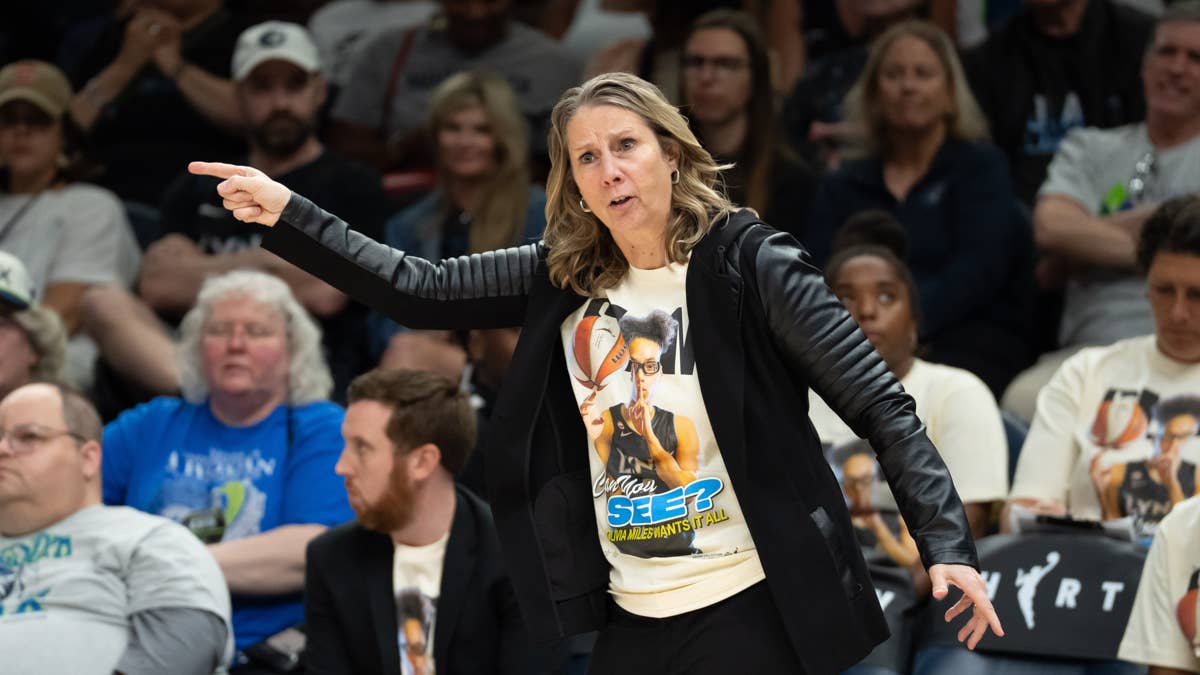
Speaking to reporters on Saturday, Reeve offered a thoughtful perspective on the demonstrations and the broader debate. "I don't think we should feel like our safe space is being threatened," Reeve said. "That's what I enjoy about the WNBA. And I think we have to continue to safeguard that. I don't think these demonstrators are not being peaceful, or not that I've seen. I haven't seen all of it. I haven't heard everything that's happening, but everyone has a right to peacefully assemble, right?"
Reeve, who has long been an advocate for inclusivity in sports, didn't shy away from addressing the core of the controversy. "I come from a space of inclusion. And the narrative that I think that is problematic is to suggest that, number one, that transgender athletes are the biggest problem in women's sports. And I think this is what's bothersome is that there's a faction of people in our country that are making this a massive issue."
The coach's remarks come as the league continues to navigate complex conversations around gender and competition. Reeve emphasized the need to protect all young athletes, especially those who are most vulnerable. "We have some issues," she admitted. "Number one, we need to protect trans kids. Every kid—to me, it's a human rights issue. Every kid has a right to sports regardless of gender diversity, transgender. Every kid has the right to access."
Reeve's stance aligns with the WNBA's broader commitment to social justice and equality, a theme that has been central to the league's identity. She also stressed the importance of education and empathy in finding common ground. "I've chosen to educate myself about the space. I've chosen to listen to transgender families, and what I know is exclusion is not the answer. We've got to find a common ground and be inclusive. That's the space. I think if we all come from that," the coach shared. "You can voice your opinion, have a strong opinion, but it's a safe space for everyone regardless of whether or not we agree."
This isn't the first time Reeve has weighed in on social issues, and her measured response stands in contrast to the heated rhetoric that has surrounded Cunningham's comments. The Fever guard has faced boos on the road, with Seattle's crowd sending a loud message during the team's previous game. Cunningham, for her part, has remained unapologetic, saying she's "here to be me," as noted in her response to the backlash.
The rallies have drawn support from various groups, but the Fever organization has distanced itself from them, with the team firing back at any connection to the protests. Meanwhile, the debate continues to ripple through the sports world, with figures like J.K. Rowling rallying behind Cunningham and others like Jemele Hill criticizing the approach.
Reeve's comments offer a rare moment of nuance in a polarizing issue. She acknowledged the complexity while reaffirming her belief that the WNBA should remain a welcoming space for all. "It's a safe space for everyone regardless of whether or not we agree," she said, a sentiment that may resonate far beyond the basketball court.
As the Fever and Lynx prepare to tip off, the focus will inevitably be on the game, but the conversation around inclusion and sports is far from over. Reeve's words serve as a reminder that the WNBA's culture is built on more than just basketball—it's about standing up for what's right, even when it's not the easiest path.