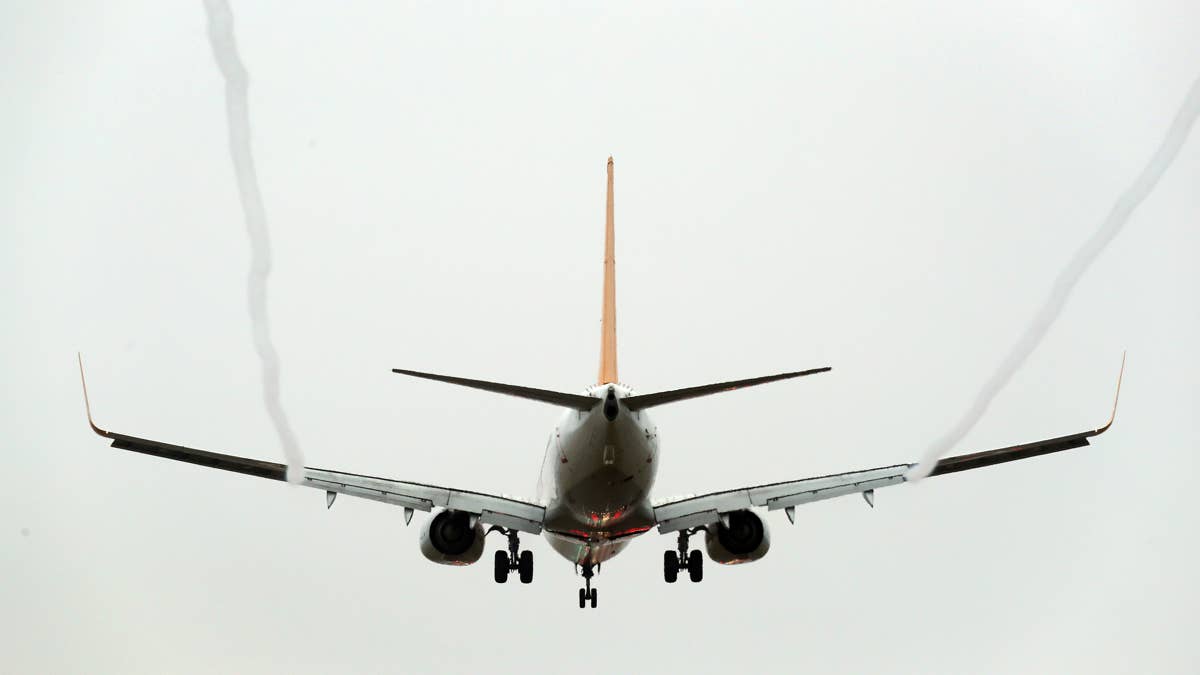
A scenic flight over one of the world's most mysterious archaeological wonders turned deadly on Saturday when a tourist plane crashed in southern Peru, killing everyone on board. The aircraft, which had taken off from Pisco Airport, went down near the town of Nazca, according to Peru's National Police.
All 11 passengers and two crew members perished in the accident, which occurred at approximately 12:55 p.m. local time. Authorities have not yet determined what caused the crash, and an investigation is underway.

Nazca is famous for the Nazca Lines—a vast collection of ancient geoglyphs etched into the desert floor over 2,000 years ago. These enormous drawings, which include figures of animals, plants, and geometric shapes, are best viewed from the air, making sightseeing flights a major draw for tourists visiting Peru.
The tragedy adds to a somber year for aviation safety, as 2026 has seen several high-profile accidents around the globe. Among the deadliest was a Colombian Air Force C-130 crash in March that killed 70 people, and a collision between an Air Canada Express regional jet and an airport vehicle at New York's LaGuardia Airport that claimed the lives of two pilots.
In the United States, the National Transportation Safety Board (NTSB) reported 725 aviation accidents through late July, including 139 fatal ones—though the vast majority involved general aviation rather than commercial airlines. Investigators have pointed to a mix of adverse weather, mechanical failures, operational errors, and human factors as recurring causes.
Safety agencies have responded by issuing new recommendations aimed at improving pilot training, air traffic procedures, and aircraft oversight. The hope is to reduce the risk of future tragedies, but for the families of those lost on Saturday, the pain is immediate and profound.
Peruvian authorities are working to identify the victims and notify their families. The crash site remains under investigation, with officials combing through debris to piece together what went wrong. As the world mourns this latest aviation disaster, questions about the safety of small tourist flights are once again in the spotlight.
For more on how the aviation industry is grappling with safety concerns, see recent coverage of industry challenges. And for a reminder that even seasoned athletes aren't immune to travel risks, check out Sepp Kuss's close call in the Tour de France.