![Dan Hurley Sounds Alarm: College Sports Are a 'Complete [Expletive]show'](/uploads/news/dan-hurley-sounds-alarm-college-sports-are-a-complete-expletive-show.jpg)
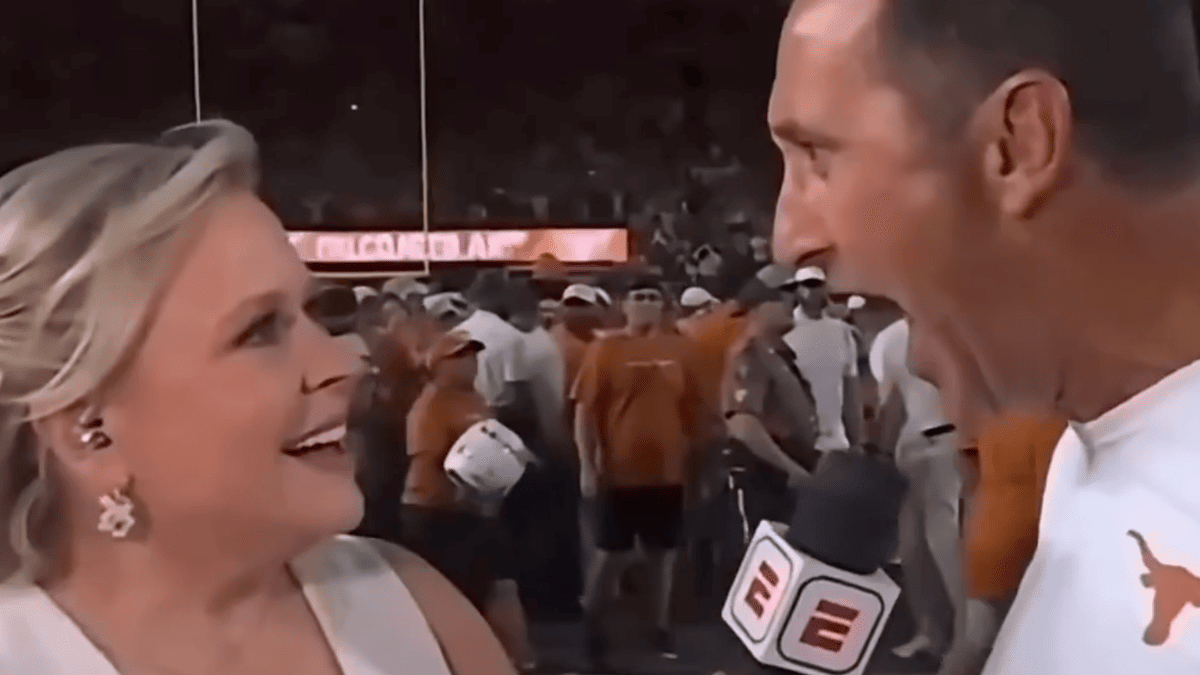
UConn basketball coach Dan Hurley has never been one to bite his tongue, and Friday's ruling by U.S. District Judge Charlotte Sweeney was no exception. The judge's decision to grant high school class of 2022 athletes an extra year of eligibility sent shockwaves through the college sports world — and Hurley was quick to voice his displeasure.
In a raw, unfiltered post on X (formerly Twitter), Hurley wrote: "Somebody please come and fix College Sports. It's a complete [expletive]show." The message was a clear cry for help, echoing the sentiments of many coaches and administrators who feel the system is spiraling out of control.
The ruling, handed down in Denver, allows athletes who have exhausted their fourth season of college eligibility to compete for a fifth season in 2026-27. Judge Sweeney argued that without this injunction, these players would "suffer irreparable harm." It's a decision that could reshape rosters and recruiting strategies across the nation.
NCAA president Charlie Baker, however, is strongly opposed to the ruling. He believes it directly undermines the NCAA's efforts to prevent professional athletes from using college sports as a "fallback option." The tension between the courts and the NCAA's authority has never been more palpable.
Hurley's frustration is just the latest sign of a broader unease within college athletics. The landscape is already shifting with new revenue streams and venue expansions, but eligibility rulings like this one add another layer of unpredictability.
According to the Associated Press, at least 19 athletes have already been granted a fifth season, including Vanderbilt's Jalen Washington and Ole Miss star AJ Storr. The Davidson County Chancery Court's order states that the NCAA "shall recognize Plaintiffs as eligible for the 2026-2027 basketball season and shall not deny or impede their recruitment, transfer, or certification on the basis of the challenged eligibility determination."
This isn't just a basketball issue — it's a symptom of a system in flux. With investigations into major programs and ongoing debates about player compensation, the NCAA's traditional model is being tested from all angles. Hurley's plea for change is a reflection of a growing sentiment among coaches who feel they're navigating a minefield.
As the NCAA prepares to fight this ruling, the future of college sports hangs in the balance. Will the courts continue to side with athletes, or will the NCAA regain control? One thing is certain: the "complete [expletive]show" that Hurley describes isn't going to clean itself up anytime soon.