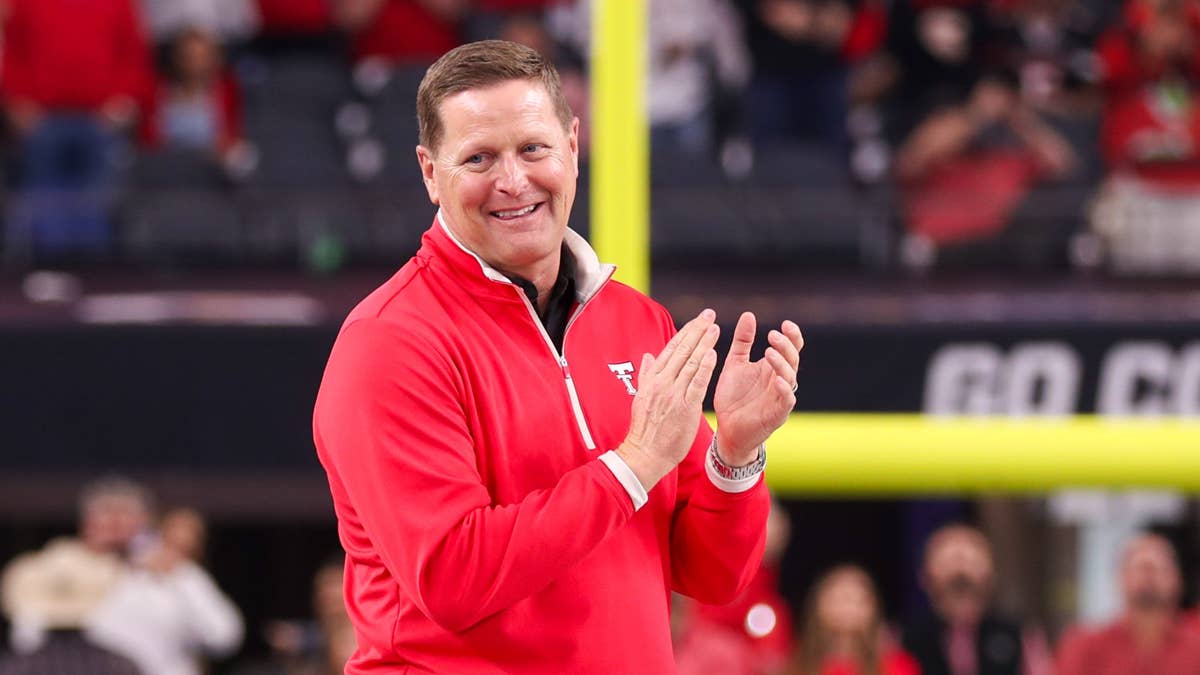
Texas Tech athletic director Kirby Hocutt thought he could calm the storm. Instead, he poured gasoline on the fire. After quarterback Brendan Sorsby admitted to betting on football and still got an extra year of eligibility, Hocutt issued a lengthy defense that is getting roasted across social media. Fans and analysts alike are calling it out of touch, self-serving, and a slap in the face to sports integrity.
Hocutt's statement, posted on X on June 10, argued that the university is focused on supporting Sorsby's recovery from a clinically diagnosed gambling addiction. He emphasized that Sorsby hasn't played a down for the Red Raiders, will miss the first two games of the 2026 season, and is under a comprehensive clinical and compliance structure. But critics aren't buying the narrative that recovery and playing football can coexist in this case.
“You don’t care about his recovery, you care about doing whatever it takes to win and not wasting your $5 million dollars,” one user fired back on X. Another wrote, “I’m all for supporting Sorsby in his recovery and prioritizing his well being. You can do that while also acknowledging he committed a cardinal sin as an athlete and should not be playing football this year. Playing him is simply wrong.”
The backlash has been fierce, with many comparing Sorsby's situation to Pete Rose's lifetime ban for betting on baseball. “You are allowing an athlete who bet on his own games to be part of your organization. No amount of PR talk can change that fact. Pete Rose also had a problem. It is on Texas Tech to do the right thing or become a pariah,” a commenter posted.
Hocutt argued that the university's role is to support recovery, not to engineer eligibility. He wrote, “We are glad Brendan is still part of our community, because that is where we can extend him the best possible support in his ongoing recovery. Clinical care, device monitoring, financial oversight, outpatient therapy – that infrastructure exists because we take our responsibility to this young man seriously.” But the public remains skeptical, with one fan asking, “So you’ve got a school bus driver who’s an alcoholic and got a DUI while driving the bus, and your plan is to get him back behind the wheel of the school bus as soon as his rehab is complete, huh?”
The controversy has sparked broader concerns about the state of college athletics. Some critics argue that the judge's ruling on Sorsby could destroy college football integrity, while others point to college football teams threatening a boycott over the decision. The Big Ten is reportedly eyeing a full boycott of Texas Tech, and the NCAA has already stated that gambling admission ends Sorsby's college career, though a court ruling has temporarily overridden that stance.
Hocutt's statement also took a personal turn, referencing his own son who played football at Texas Tech. “I have two sons, including one who recently graduated from Texas Tech and played football. Throughout the process, I’ve kept asking myself: How would I approach this situation if this were my own son?” But for many fans, that appeal to family values rings hollow when the bottom line appears to be winning games.
The public is making its voice heard loud and clear. The question now is whether Texas Tech will listen—or whether the program will become a cautionary tale about putting victories above values.