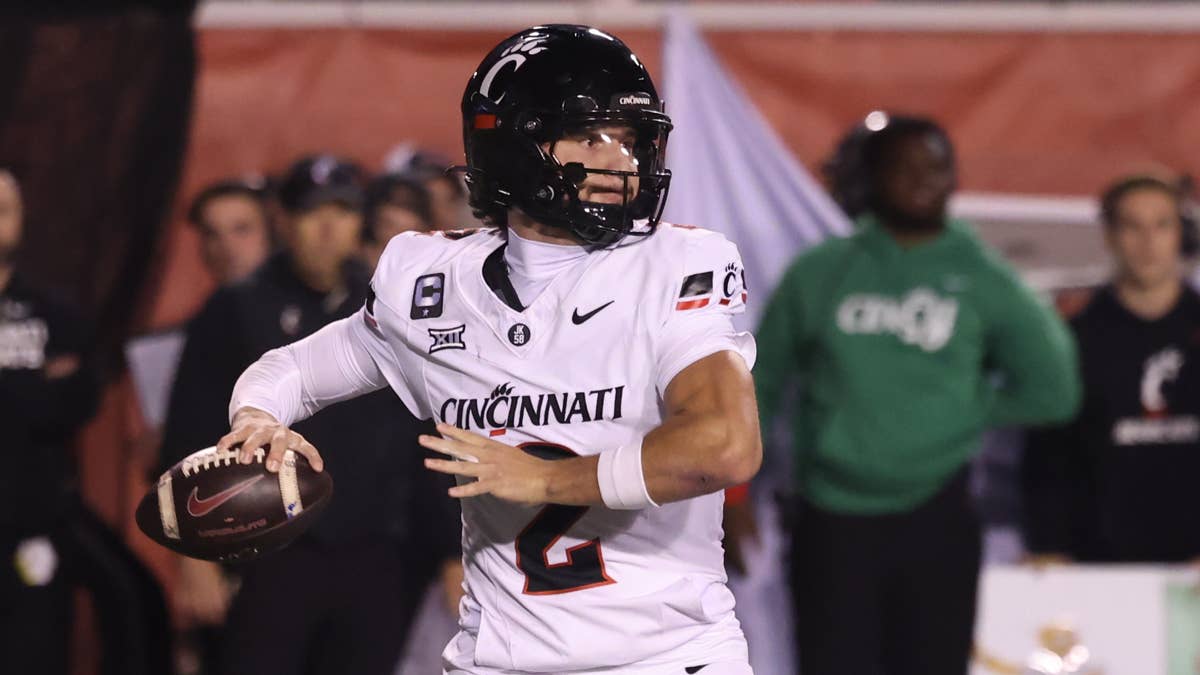
In a move that has sent shockwaves through the sports world, a Texas judge has ruled that Texas Tech quarterback Brendan Sorsby can suit up for the 2026 season, despite admitting to placing dozens of bets on college football games—including wagers involving his own team. The decision, which many experts are calling a catastrophic blow to the integrity of the game, has sparked fierce debate about the future of player conduct in the sport.
Sorsby, who is set to earn over $5 million this season with the Red Raiders, will serve only a two-game suspension in 2026 before being fully eligible. The quarterback checked into a gambling rehabilitation facility in mid-April for a month-long stint and has since been diagnosed with a gambling disorder and anxiety. While his personal struggles are serious, the ruling has opened a Pandora's box of questions about accountability.
ESPN's Kevin Clark didn't mince words, calling the injunction "as disastrous a ruling as there has ever been in modern sports." In a blistering post on X, Clark warned, "The pathway is now clear: gamble as much as you like, including on your own team, and hope you are—or get—good enough that you can lawyer up down the line. A much bigger disaster than anything with NIL or portal."
The ruling effectively overturns the NCAA's long-standing policy that gambling on one's own sport is a lifetime ban—a principle famously applied to baseball legend Pete Rose. But in this case, the judge sided with Sorsby, arguing that without a temporary injunction, the quarterback would suffer "probable, imminent, and irreparable injury" by missing the 2026 season.
Dave Briggs of the Toledo Blade echoed the outrage, writing on X: "Texas judge rules college football players can now bet on their own teams. Time to turn out the lights." The sentiment reflects a growing fear that college football has no rules after this precedent-setting decision.
The implications extend far beyond Sorsby. Critics argue that the ruling undermines the NCAA's ability to enforce any meaningful discipline, especially in an era already grappling with the chaos of NIL deals and the transfer portal. Some see this as a slippery slope where star players can gamble freely and then hire high-powered lawyers to escape consequences. Nick Saban's recent criticism of the sport's flawed logic now seems prescient.
College football has already been transformed by massive NIL contracts and a free-agent-like transfer system. But this ruling takes things to a new level. As one observer put it, "You should not be allowed to gamble on your own sport—especially your own team—and get away with it." Yet, that is exactly what has happened.
The NCAA and college football purists are now left wondering what's next. If gambling violations can be overturned by a single judge, what other rules are vulnerable? The decision has effectively created a two-tier system: one for elite players with legal resources and another for everyone else. It's a development that could reshape the sport in ways that make the NIL arms race look tame.
For now, Sorsby will play in 2026, but the damage to the game's credibility may be irreparable. As the debate rages on, one thing is clear: college football's future just got a whole lot murkier.