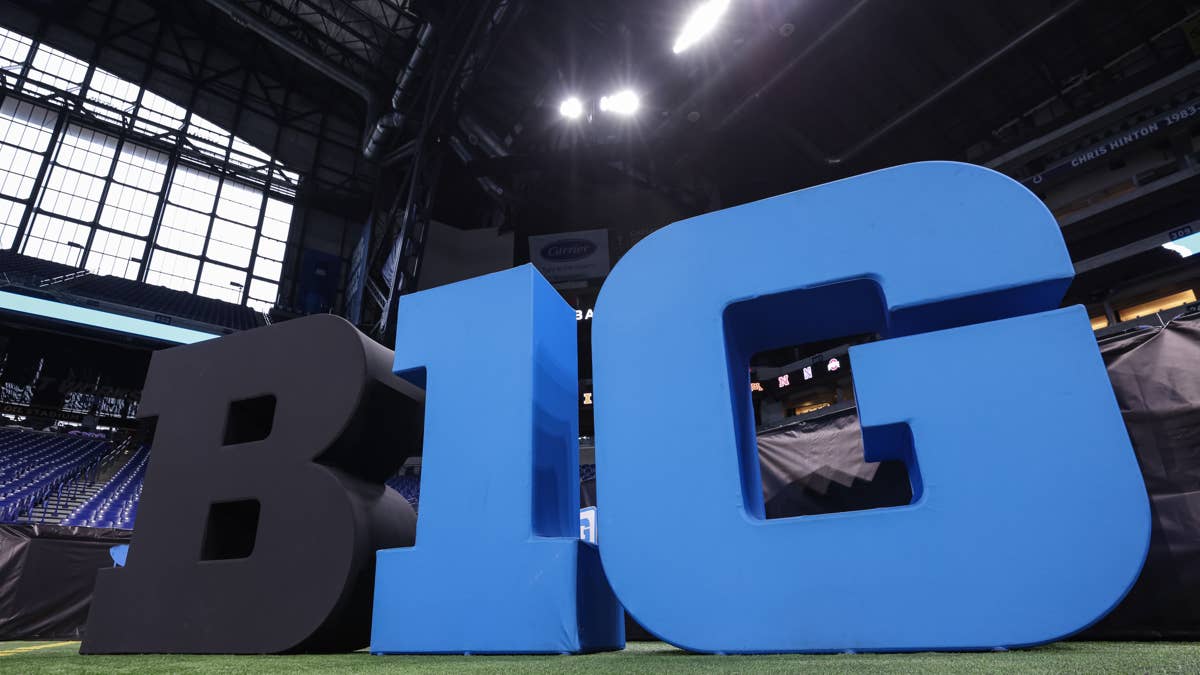
The Big Ten Conference is reportedly exploring a sweeping boycott of Texas Tech across all sports, a direct response to the controversial court injunction that allowed quarterback Brendan Sorsby to suit up for the Red Raiders this season. According to ESPN’s Pete Thamel, league officials are expected to meet in the coming days to discuss a formal mandate that would prohibit member schools from scheduling Texas Tech in any athletic competition.
The firestorm began when a Texas judge granted an injunction permitting Sorsby, who had been suspended for violating NCAA betting rules, to play immediately. The decision sparked outrage across college sports, with many calling it a dangerous precedent. Nebraska athletic director Troy Dannen was the first to act, informing his staff to block any future games against Texas Tech. Now, the entire conference appears ready to follow suit.
“This isn’t just about one player or one sport,” a Big Ten source told Thamel. “It’s about protecting the integrity of college athletics. If the courts are going to override conference and NCAA decisions, we have to respond.”
The potential boycott raises immediate questions about enforcement and impact. Big Ten teams do not face Texas Tech in football this season, and last year’s only matchup was Oregon’s College Football Playoff win over the Red Raiders in the Orange Bowl. But with Texas Tech also a regular in the NCAA men’s basketball tournament, the ban could create awkward postseason scenarios.
Would the Big Ten really forfeit a playoff game or a Sweet 16 berth to avoid playing Texas Tech? That’s the million-dollar question. Some insiders suggest the boycott might be more symbolic than practical, but others insist the conference is ready to draw a hard line. The threat of a boycott has already sent shockwaves through the sport.
Critics argue the move is performative, especially if the ban is lifted once Sorsby leaves Texas Tech after the 2026 season. “It’s about principle now,” one athletic director said. “We can’t let a single court ruling undermine everything we’ve built.” The situation echoes broader concerns about how judicial overreach could unravel college sports.
The Big Ten’s decision could also set a precedent for other conferences. If the boycott holds, it might force the NCAA or Congress to address the patchwork of state court rulings that have disrupted eligibility rules. For now, all eyes are on the league’s upcoming meetings, where the fate of future Texas Tech matchups hangs in the balance.
Whether this is a principled stand or a temporary tantrum, one thing is clear: the college sports landscape is shifting, and the Red Raiders are suddenly public enemy number one in the Big Ten.