The turmoil at North Carolina's football program keeps mounting, and one prominent college football analyst is pointing a finger squarely at the school's decision to part ways with a Hall of Fame coach.
On Monday, the University of North Carolina placed general manager Michael Lombardi on paid administrative leave, effective immediately. The move adds another layer of uncertainty to a program that's already navigating a rocky transition under new head coach Bill Belichick, with the season opener against TCU less than five weeks away.
CBS's Danny Kanell didn't mince words after the Lombardi news broke. Taking to social media, he argued that the Tar Heels made a critical error when they fired Mack Brown after the 2024 season. According to Kanell, sticking with Brown—and giving him the same resources now flowing to Belichick—would have kept UNC competitive in the ACC.
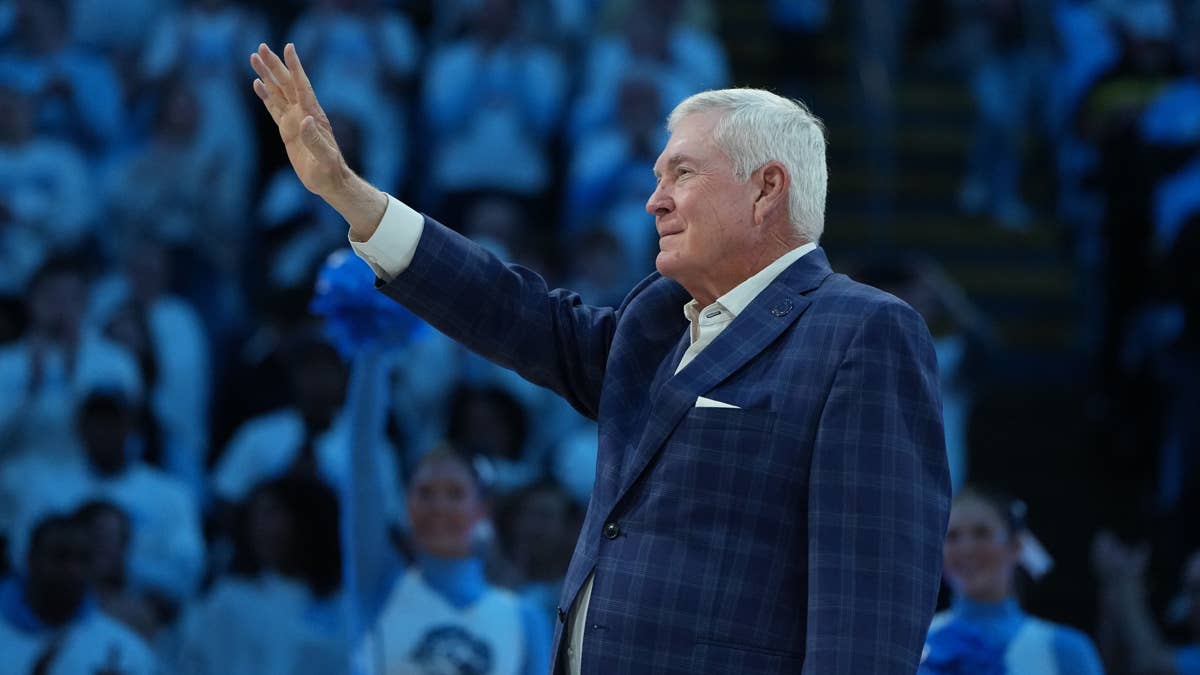
“UNC should’ve never let Mack Brown go,” Kanell wrote. “If they stuck with Mack Brown and gave him the resources they gave to Bill Belichick the Tar Heels would be top third of the ACC worst case. Instead they are at the bottom and probably looking for a coach in a year or two.”
Kanell's critique cuts to the heart of a debate that's been simmering since Belichick took over. Under Brown, the Tar Heels never experienced the kind of freefall they've endured in Belichick's first season, nor did they generate the level of dysfunction that now seems to surround the program. The Lombardi situation is just the latest example of off-field chaos that has become a recurring theme in Chapel Hill.
The university released a brief statement on Lombardi's leave, keeping details under wraps. “The University of North Carolina at Chapel Hill has placed Michael Lombardi, general manager of the Carolina football program, on paid administrative leave, effective immediately,” the statement read. “As is standard procedure with personnel matters, leadership, staff, and student-athletes are prohibited from addressing this topic further, and has no reflection on the merits.”
Questions about the nature of the investigation remain unanswered, but the situation clearly became serious enough that the school felt it necessary to separate Lombardi from the program. For a team already struggling to find its footing, this distraction is the last thing it needs.
Kanell's argument resonates with many who watched Brown build a respectable—if not elite—program in Chapel Hill. Brown consistently kept UNC in the upper half of the ACC standings, even in down years. The idea that he could have done more with the financial backing now given to Belichick is a compelling counterfactual that's gaining traction among fans and analysts alike.
Whether UNC can turn things around under Belichick remains to be seen, but the early returns are not encouraging. With Lombardi on leave and the season fast approaching, the Tar Heels are facing an uphill battle that might have been avoided if they had kept the coach who never let things get this messy.