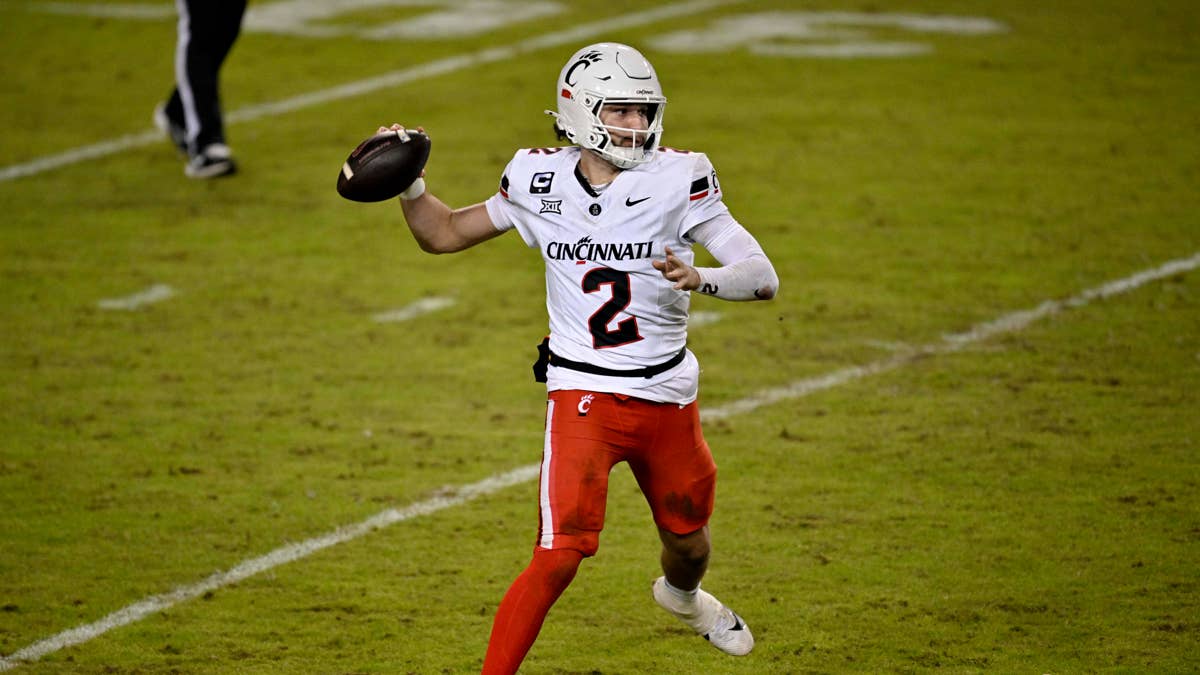
The NCAA has drawn a hard line in the sand: Brendan Sorsby's time as a college quarterback should be finished. The Texas Tech signal-caller admitted to a gambling addiction and betting on college football games, including his own team's contests. Now, the governing body is making it clear that no amount of legal maneuvering should change that outcome.
In newly released court filings from the ongoing legal battle between Sorsby and the NCAA, the organization argues that the quarterback's career effectively ended the moment investigators discovered he wagered on games involving the Red Raiders. While the NCAA acknowledges Sorsby's efforts to seek treatment for his addiction, it insists that allowing him to return to the field would set a dangerous precedent.
“It would effectively sanction sports gambling by the most vulnerable student-athletes — those suffering from a gambling addiction could continue to bet, knowing they could follow Plaintiff’s lead and rush to court if caught,” NCAA attorneys wrote, via ESPN. They added that it would create unfair outcomes for athletes who have followed the rules and undermine the integrity of college athletics.
The NCAA's stance is blunt: no major U.S. sports league permits an athlete who bet on their own team to keep playing. The same standard, they argue, should apply here. Sorsby's case now threatens to open a floodgate, where any athlete caught gambling could claim addiction and seek legal protection to avoid punishment.
Sorsby's Legal Team Fights Back
But Sorsby's attorneys aren't backing down. They argue that the quarterback's gambling addiction is a mental health disorder, not a simple rule violation. In a letter to the NCAA, attorney Scott Tompsett wrote, “Brendan has a mental health condition that predisposed him to compulsively use predatory and addictive online gambling apps.” He described the behavior as a direct result of an anxiety disorder that manifested in compulsive gambling.
The legal team is seeking an injunction to override the NCAA's eligibility denial. If successful, it could reshape how the NCAA handles gambling violations, potentially allowing athletes in all sports to claim addiction as a defense. The stakes are enormous, and the NCAA is determined to prevent that precedent from taking hold.
Meanwhile, Texas Tech has pushed back against the NCAA's decision, supporting their quarterback's bid to return. The university's stance adds another layer to an already complex case, as the Red Raiders stand by Sorsby amid the controversy.
A Broader Crisis in College Sports
This saga unfolds against a backdrop of growing turmoil in college athletics. From roster spending spiraling out of control to calls for federal intervention, the landscape is shifting rapidly. Some coaches have warned that the sport itself may not survive without major reforms. The Sorsby case adds yet another flashpoint, testing the NCAA's ability to enforce its rules in an era of legal challenges and athlete empowerment.
For now, the clock is ticking. Sorsby's window to play another season is narrowing, and the NCAA shows no signs of relenting. Whether his legal argument gains traction or his college career truly ends, the outcome will have ripple effects far beyond Lubbock.