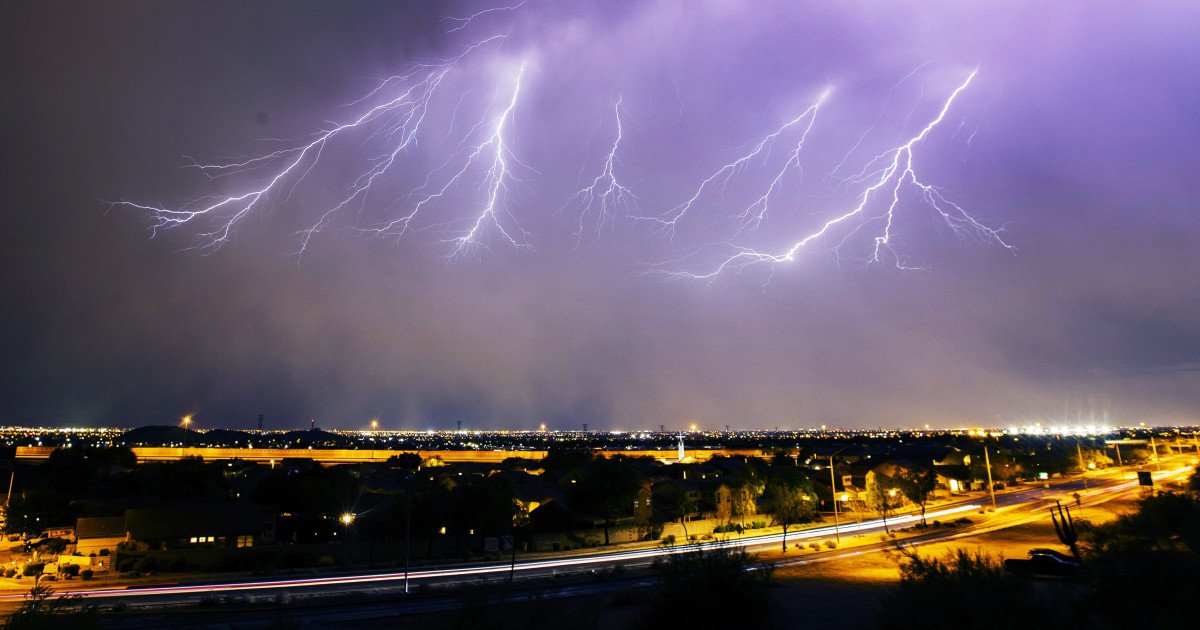
Sports fans and athletes across a massive swath of the country need to keep one eye on the sky this Sunday. The National Weather Service has issued a stark warning for potentially extreme thunderstorms targeting ten U.S. states, threatening to unleash a dangerous mix of heavy rain, damaging winds, large hail, and frequent lightning on March 22nd.
The forecast paints a concerning picture for the Midwest and Mid-Atlantic regions. States directly in the path include Illinois, Indiana, Ohio, Kentucky, Virginia, West Virginia, Maryland, Delaware, New Jersey, and Pennsylvania. This widespread system could put a damper on everything from community soccer matches and little league practices to casual rounds of golf and outdoor training sessions.

A Direct Hit on Sports Heartland
This isn't just a passing shower. Meteorologists are warning these could be severe, organized storms capable of producing significant hazards. The threat of large hail alone is enough to send players scrambling for cover, while sudden, powerful wind gusts could turn unsecured equipment into dangerous projectiles. For anyone with plans to be outside—whether coaching, playing, or spectating—this forecast demands serious attention and preparation.
The timing of these storms is particularly tricky, arriving on a Sunday, a prime day for youth sports leagues, recreational tournaments, and outdoor fitness activities. It serves as a potent reminder of how quickly weather can change the game. This situation echoes recent disruptions, like the scorching March heat wave that threatened outdoor sports across four Western states, showing that athletes and organizers must be ready for anything Mother Nature throws their way.
Safety First: Game Plan for Severe Weather
When thunder roars, go indoors—it's the oldest and most important rule in the book. But with severe storms, a more detailed game plan is essential. The key is to stay informed; continuously monitor local forecasts and have a way to receive severe weather warnings, whether through a weather radio or trusted app.
If you're at home when a warning is issued, move immediately to a secure, windowless interior room on the lowest floor. Don't forget your furry teammates—bring pets with you if you can. At schools, sports complexes, or workplaces, avoid large, open areas like gymnasiums, cafeterias, or grandstands. Instead, seek shelter in designated safe rooms or interior hallways away from windows.
The most dangerous place to be is outside. If you're caught on a field, court, or course as storms approach, seek refuge in a substantial, enclosed building immediately. Sheds, gazebos, or storage facilities do not offer sufficient protection. Crucially, never shelter under a tree. Not only does it increase your risk of a lightning strike, but falling limbs or the entire tree toppling in high winds could prove fatal.
For those in vehicles, while a car is safer than being completely exposed, it is not ideal. The metal frame can offer some protection from lightning, but the real danger comes from high winds that can flip vehicles or from hail that can shatter windows. If you must pull over, avoid areas under trees or overpasses and wait out the storm.
This severe weather alert comes at a time when the sports world is already buzzing with other major stories, from Selection Sunday shattering 12-year ratings records to groundbreaking NIL deals for college athletes. Yet, it underscores a fundamental truth: all the planning in the world can be upended by forces beyond our control. Organizers of outdoor events across the affected region should be developing contingency plans now.
Stay safe, stay alert, and be ready to call an audible on your Sunday plans. Sometimes, the smartest play is to postpone the game and live to compete another day.