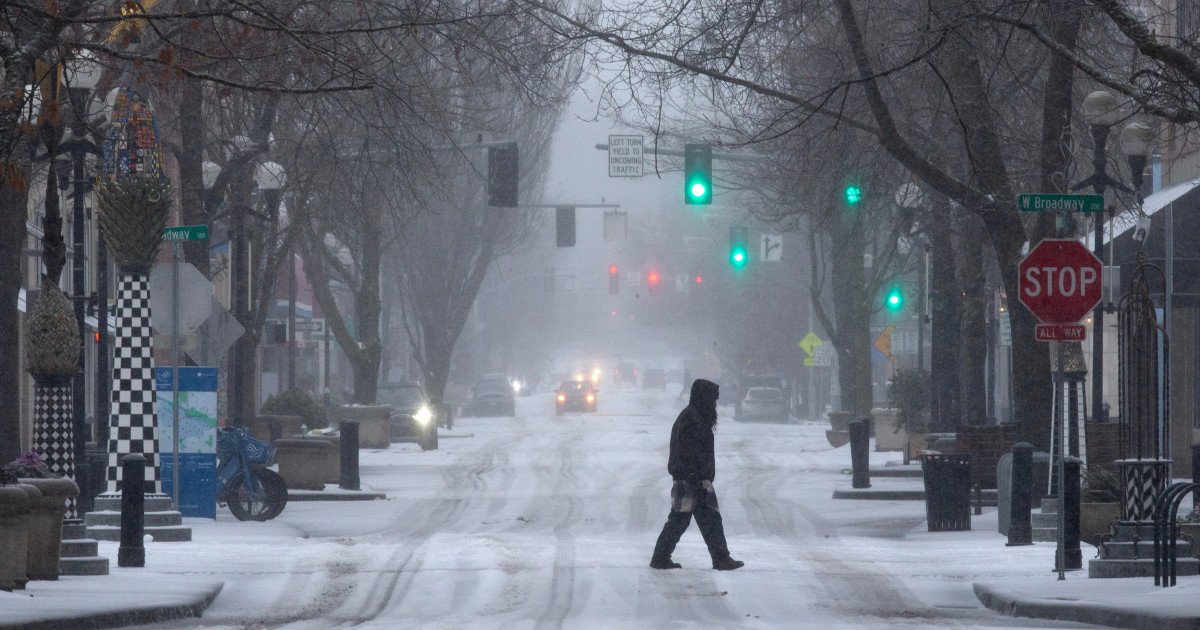
Think winter is over? Think again. While many Americans have been enjoying unseasonably warm temperatures, a significant late-season snow event is gearing up to deliver a frosty reminder that Mother Nature hasn't finished her work. The National Weather Service has issued urgent warnings for six states, urging residents to prepare for potentially hazardous travel conditions and a blast of winter weather this week.
From Pine Trees to Palm Trees: The States in the Crosshairs
The incoming system is set to impact a geographically diverse group of states, proving that winter weather can strike anywhere. The list includes the northeastern quartet of Maine, New Hampshire, New York, and Vermont, where late March snow is not entirely unheard of. More surprisingly, the alert also extends to the tropical islands of Hawaii and the always-wintry expanse of Alaska. This widespread advisory underscores the unpredictable nature of spring weather patterns across the country.

This comes on the heels of a scorching heat wave that recently baked parts of the West, creating a stark temperature contrast. The sudden shift serves as a reminder for sports fans and outdoor enthusiasts to always check conditions, as weather can disrupt plans in an instant, much like the severe storms that have threatened major sporting events in recent weeks.
Official Warnings: Safety First on Slick Roads
The National Weather Service is not mincing words. Their primary message is clear: if you don't have to travel, stay home. For those who must venture out, they have issued specific and critical advice. “If you must travel, keep an extra flashlight, food, and water in your vehicle in case of an emergency,” the warning states. It further cautions that “travel could be very difficult to impossible” due to heavy snow and periods of “zero visibility” from blowing snow.
This kind of urgent federal warning highlights the serious risks of severe weather, similar to alerts issued for other public safety threats, such as the urgent hiking alerts following tragedies in national parks.
Your Essential Winter Driving Playbook
For drivers who find themselves facing these conditions, preparation and knowledge are key. Here’s a breakdown of the expert-recommended strategies to stay safe on snow-covered roads:
- Slow Down: This is rule number one. Reduced traction demands reduced speed.
- Smooth Operator: Accelerate and decelerate gradually. Sudden movements lead to skids.
- Create Space: Increase your following distance to at least five to six seconds. Stopping takes much longer on ice.
- Brake with Care: Know your vehicle's braking system. Apply steady, firm pressure to avoid locking the wheels.
- Keep Rolling: If possible, avoid coming to a complete stop. Maintaining momentum is easier than starting from a standstill on ice.
- Hill Strategy: Never power up a snowy hill—you'll just spin. Build momentum on flat ground first, and coast over the crest slowly.
- Never Stop on an Incline: If you can avoid it, don't stop while going uphill. It's extremely difficult to get moving again.
The core principle is to adjust your mindset. Driving in snow isn't about getting there fast; it's about getting there safely. Patience and caution are your most valuable tools.
A Final Word of Caution
As this late-season system moves through, the best advice remains the simplest: heed the warnings. The combination of heavy snow, poor visibility, and potentially icy roads creates a high-risk environment. Whether you're a commuter, a parent running errands, or a fan traveling to a game, your safety is paramount. Stay informed, prepare your vehicle with an emergency kit, and make smart decisions. Winter may be on its way out, but it's clearly determined to leave a memorable final impression.