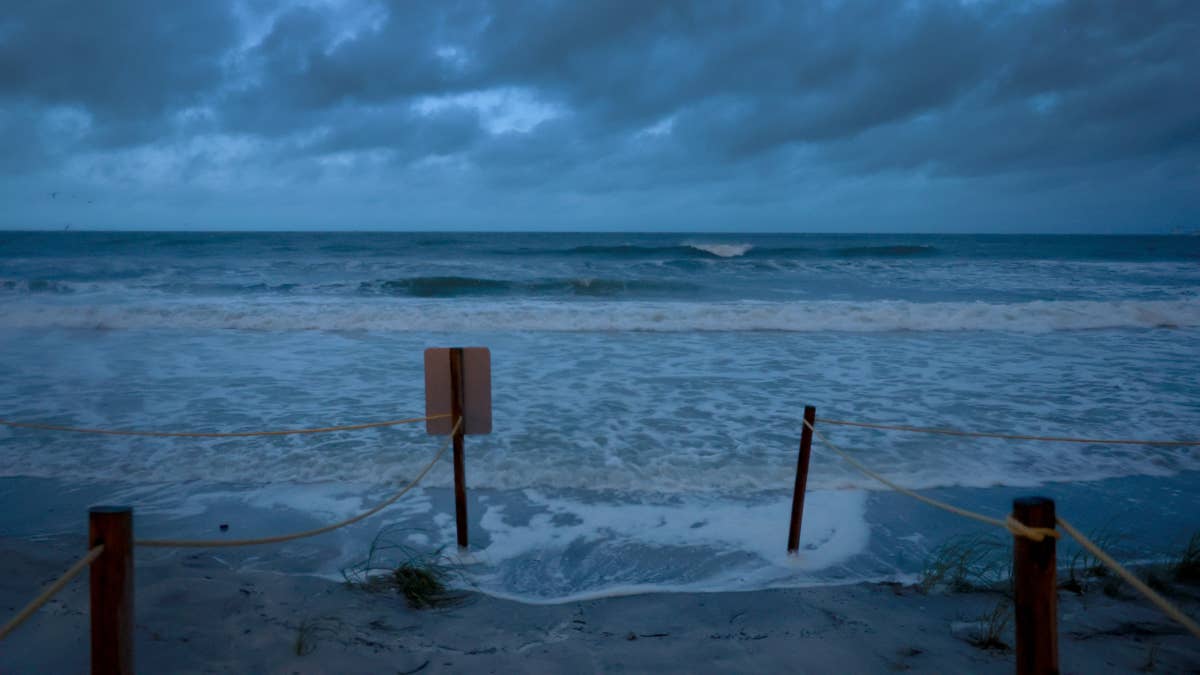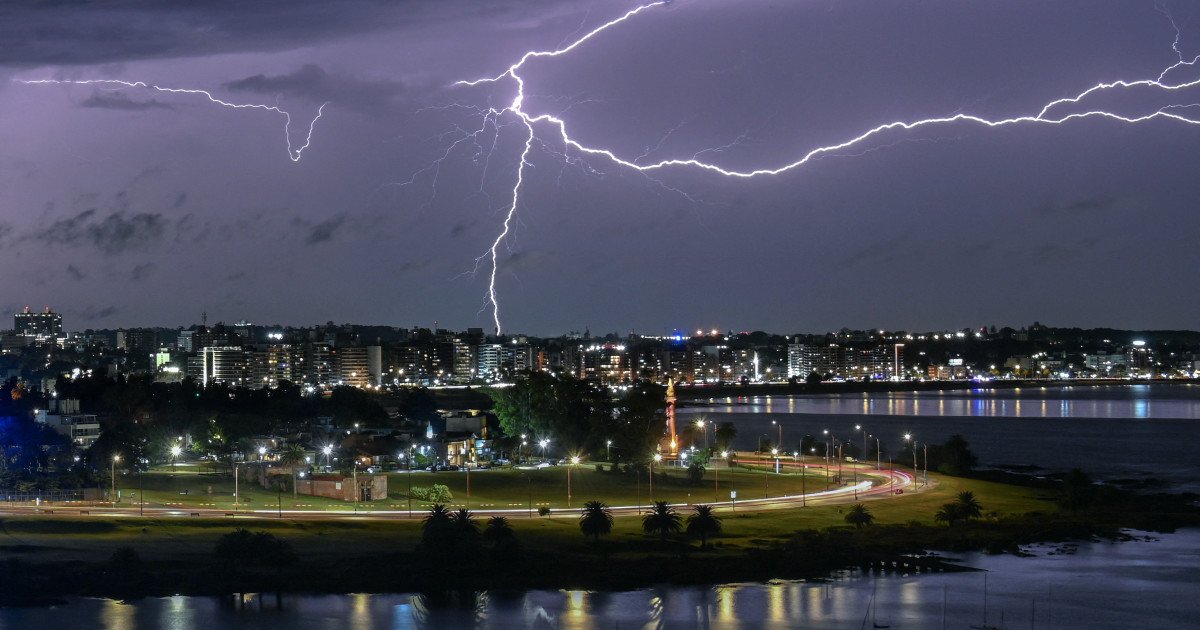
A powerful line of severe thunderstorms is set to march across a significant swath of the United States this Monday, putting eight states on high alert. The National Weather Service has issued warnings for Texas, Oklahoma, Arkansas, Louisiana, Mississippi, Alabama, Tennessee, and Georgia, forecasting a dangerous mix of major lightning, torrential rain, damaging straight-line winds, and large hail. For sports fans and organizers in the region, this isn't just a weather story—it's a potential game-changer.
The timing of this severe weather outbreak could not be more disruptive. Monday's storms threaten to throw a wrench into outdoor practices, youth leagues, and any scheduled amateur or professional sporting events across the South and Midwest. This situation echoes recent disruptions, as we've seen with other severe weather threatening sports events across multiple states. Organizers are urged to monitor forecasts closely and have contingency plans ready.

What Makes These Storms So Dangerous?
This isn't your average spring shower. Meteorologists are warning that the atmospheric setup is primed for intense, fast-moving storms. The primary threats include wind gusts powerful enough to topple temporary structures and signage, hail large enough to dent vehicles and cause injury, and frequent cloud-to-ground lightning. For anyone with plans to be at a field, court, or stadium, understanding these risks is the first step in staying safe.
The National Weather Service emphasizes that preparedness is key. "Stay Weather Ready," they advise, by continuously monitoring local forecasts and NOAA Weather Radio for the latest watches and warnings. A severe thunderstorm warning means dangerous conditions are imminent—this is the time to act, not to finish the inning or wait for the next commercial break.
Critical Safety Steps for Fans and Athletes
Your safety strategy depends entirely on where you are when the storms hit. If you're at home before heading to a game, your secure location is your best bet. Don't forget your pets if you have time to get them to safety. At a workplace or school—which could include a sports complex office or athletic facility—immediately move away from windows. Large, open rooms like gymnasiums, cafeterias, or auditoriums should be avoided, as their wide-span roofs are vulnerable to wind damage.
The greatest danger often lies outdoors. If you're at a field, on a course, or in a parking lot when warnings are issued, seek shelter in a sturdy, permanent building immediately. Sheds, dugouts, storage facilities, and gazebos offer no real protection. Perhaps the most critical rule: never shelter under a tree. Not only does it become a towering lightning rod, but a falling tree or branch in high winds can be deadly. Your vehicle is a safer option than being outside, but it is not ideal during hail or extreme winds; if there is sufficient time, drive carefully to the closest secure building.
This severe threat follows a pattern of active weather impacting the region. Just last week, a similar monster hail and tornado outbreak put seven states on alert, demonstrating the volatile nature of the season. Furthermore, with the potential for flash flooding accompanying the heavy rain, the disruption could extend beyond game day, affecting field conditions and travel for days. For a broader look at ongoing patterns, our report on the flash flood alert for 10 states this week provides crucial context.
For sports leagues and event planners, communication is paramount. Clear, early announcements regarding delays, cancellations, or shelter-in-place procedures can prevent panic and ensure everyone's safety. Fans should check official team and venue social media channels and websites before traveling and be prepared for sudden changes. Having a personal safety plan, including knowing where the designated severe weather shelters are at your local stadium or complex, is a smart part of being a prepared fan.
As the storm system develops, the focus remains on safety first. While we all love the thrill of the game, no sporting event is worth risking lives. By heeding official warnings, knowing the drill, and erring on the side of caution, communities can weather this storm and get back to play once the skies clear. Stay informed, stay prepared, and above all, stay safe.