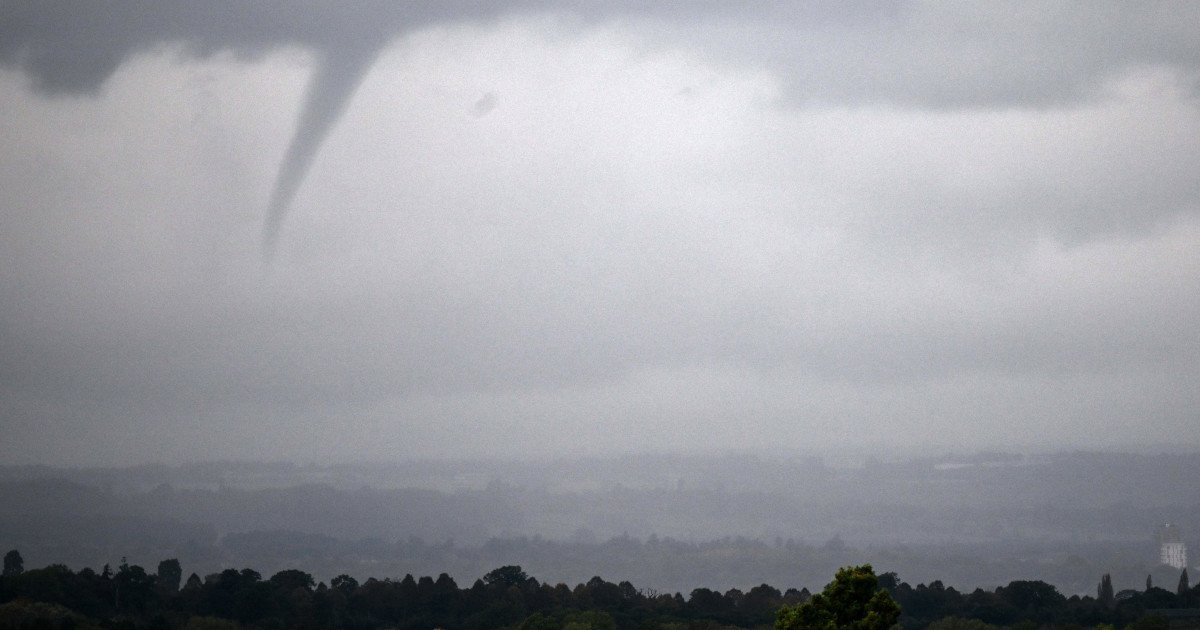
Sports fans and organizers across a massive swath of the United States need to keep one eye on the sky this week. The National Weather Service has issued a stark warning for severe weather targeting a dozen states, threatening to disrupt everything from local games to major sporting events.
A Widespread Weather Threat
The alert, issued Sunday, casts a wide net across the nation's midsection. States from Louisiana and Arkansas in the South, stretching north through Missouri, Illinois, Indiana, and Ohio, and reaching into Pennsylvania and West Virginia are all in the crosshairs. Alabama, Mississippi, Tennessee, and Kentucky round out the list of areas facing potential severe storms, with the main event expected to hit on March 11.

This warning comes on the heels of a brutal stretch of weather that has already proven deadly. Recent tornado outbreaks in Michigan and Oklahoma claimed eight lives, a sobering reminder of the power of these spring systems. Meanwhile, residents in Colorado and Texas are grappling with a different threat, as wildfire alerts have been issued, highlighting the volatile and varied nature of this season's weather patterns.
Potential for Game-Day Disruptions
For the sports world, this forecast spells potential trouble. Outdoor practices, amateur leagues, and even scheduled professional or collegiate events could face delays, postponements, or last-minute venue changes. The threat extends to fans traveling to games, with hazardous conditions possible on roadways. This kind of widespread system echoes recent disruptions, like those detailed in our report on how Midwest and Southern sports venues were on alert for severe storms.
The situation is fluid, and the severity can change rapidly. Just last week, forecasters were tracking a 'monster' hail and tornado outbreak targeting seven states. This week's alert underscores that the active pattern is far from over, with a significant portion of the country remaining at risk.
Staying Safe is the Top Priority
Whether you're an athlete, a coach, or a fan heading to the stands, safety must come first. The NWS provides clear guidelines for when severe weather strikes. The most important step is to stay informed. Continuously monitor local news or a NOAA Weather Radio for the latest watches and warnings. Don't rely solely on outdoor sirens.
If you're at home and a severe thunderstorm warning is issued, move immediately to your pre-identified secure location, such as a basement or an interior room on the lowest floor. Bring your pets with you if time allows. At schools or workplaces, avoid windows and large, open spaces like gymnasiums or cafeterias, which can be dangerous in high winds.
What to Do If You're Caught Outdoors
The rules change if you're caught outside. Your goal is to get inside a sturdy building as quickly as possible. Sheds, storage facilities, or picnic shelters offer little protection. Most importantly, never seek shelter under a tree. This is extremely dangerous, as the tree could fall on you, and it significantly increases your risk of being struck by lightning.
If you're in a vehicle, it is safer than being outside, but it is not a safe place during a tornado or extreme winds. If you have sufficient time and can see the threat approaching, such as a tornado, the best course of action is to drive to the closest secure shelter. Otherwise, stay buckled, park away from trees and overpasses, and cover your head. As we've seen with recent multi-state thunderstorm threats, conditions can deteriorate faster than expected.
This severe weather alert serves as a crucial reminder for everyone involved in sports to have a plan. Organizers should review emergency protocols, and fans should prepare for the possibility of schedule changes. By staying weather-aware and prioritizing safety, communities can navigate this stormy period and ensure that the focus can return to the games once the skies clear.