March Madness is known for its buzzer-beaters and Cinderella stories, but this weekend, the biggest flop came from the broadcast booth. TNT Sports is facing a torrent of criticism after a cringe-worthy halftime show during the NCAA Tournament's Elite Eight that left viewers questioning the network's commitment to serious college basketball coverage.
A Halftime Show That Missed the Mark
During the high-stakes matchup between Purdue and Arizona, TNT cut to its studio crew for a halftime segment that quickly went off the rails. The "BBall BIG Board" game show-style segment, featuring Inside the NBA stars Charles Barkley and Kenny "The Jet" Smith alongside Nate Burleson, Clark Kellogg, and Bruce Pearl, was intended to provide engaging analysis. Instead, it provided awkward moments and viral fodder for disappointed fans.
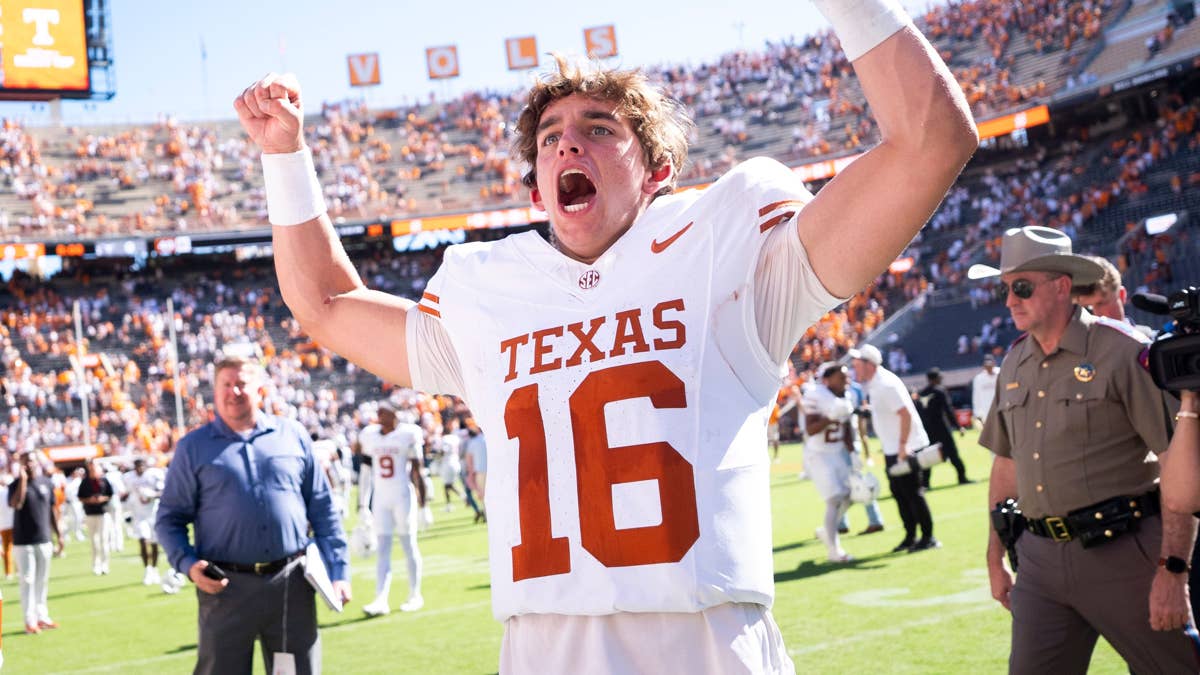
The trouble began when host Nate Burleson put Kenny Smith on the spot, asking him to name his pick for the tournament's standout player thus far. Smith, a former NBA champion and longtime analyst, stumbled noticeably, struggling to recall a single name before finally, with help from a colleague, landing on Purdue's Braden Smith. The moment was a stark contrast to the deep, knowledgeable analysis fans expect during the sport's premier event.
Fans Voice Their Frustration
The reaction on social media was swift and brutal. Fans flooded platforms like X (formerly Twitter) to call the segment "embarrassing" and a "waste of time." Many expressed frustration that the network would parachute in analysts known primarily for their NBA expertise during the pinnacle of the college season.
"It's an absolutely poor pre, post and halftime show. Kenny and Chuck are just lost parachuting in for the tournament and the networks do a disservice to fans by having them and Pearl in studio," wrote one frustrated viewer, echoing a common sentiment that the coverage lacked the depth found on other networks like CBSSN.
Another fan highlighted the segment's lack of substance: "Hard hitting analysis. From Kenny not being able to name ONE player to Bruce Pearl being the man for the largest coaching opening to Nate Burleson just being completely out of place." The criticism underscores a growing demand for specialized expertise, a point recently emphasized by legends like Geno Auriemma, who has demanded an NCAA Tournament overhaul to improve quality across the board.
More Than Just One Bad Moment
The awkwardness didn't end with Smith's player identification struggle. When the topic turned to the then-vacant North Carolina head coaching job—a major storyline in the sport—both Barkley and Smith seemed hesitant and unprepared to offer any meaningful commentary. "That's a tough one right there," Barkley stated, while Smith deflected, saying, "I didn't want that one. A historical man. No, there is no right answer to that right now."
This incident raises broader questions about broadcast strategy for major events. While Barkley and Smith are undeniably talented and entertaining personalities for NBA coverage, their apparent lack of familiarity with the college game was glaring. It's a reminder that successful studio shows require more than just big names; they require preparation and specific knowledge. This stands in contrast to the positive attention garnered by on-the-ground reporters, like the sideline sensation who stole the March Madness spotlight with insightful reporting.
A Pattern of Halftime Troubles?
Interestingly, this isn't the first time a network's March Madness intermission has drawn ire. CBS also faced similar criticism earlier in the tournament for a lackluster halftime segment, suggesting a potential industry-wide issue with filling these brief windows effectively. The focus often shifts to major halftime spectacles, like the buzz surrounding a potential BTS star's Super Bowl dream, but the analysis segments in between game action are crucial for retaining engaged viewers.
For TNT, the backlash comes during a critical period for their sports broadcasting portfolio. As the tournament progresses to the Final Four, the network will be under a microscope to deliver sharper, more informed commentary. The incident serves as a clear message from the audience: during the intensity of March Madness, fans value expertise and insight over generic banter. This demand for accountability mirrors situations in other sports, such as when Fred Hoiberg took full blame for Nebraska's tournament-ending gaffe.
Whether TNT adjusts its approach remains to be seen. But one thing is certain: in the high-pressure environment of the NCAA Tournament, there's no room for an airball from the broadcast team.