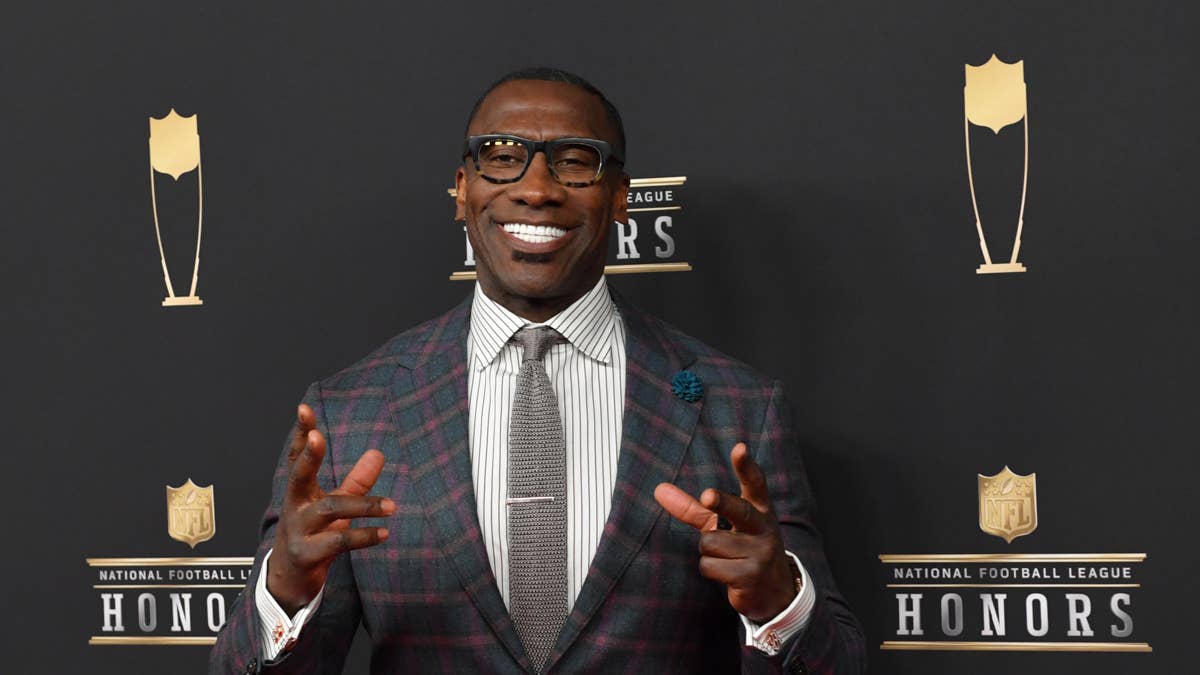
Shannon Sharpe has never met a hot take he didn't like, but his latest ode to LeBron James might be his most historically shaky yet. During a recent episode of Nightcap alongside Chad Johnson, the Hall of Fame tight end declared that LeBron doesn't get enough credit for reviving the Lakers' national TV profile after Kobe Bryant's retirement. The problem? The Lakers were already a national fixture, even during their leanest years.
Sharpe argued that between Kobe's final 60-point game in 2016 and LeBron's arrival in 2018, the Lakers essentially vanished from the national spotlight. “I don’t remember the Lakers being on TV,” he said, before adding that the Cleveland Cavaliers and Golden State Warriors dominated the airwaves instead. “They was in the L.A. market, but they weren’t broadcast nationally, don’t do that.”
It's a bold claim—and one that doesn't hold up under scrutiny. Even during the Lakers' post-Kobe rebuild, the franchise remained one of the NBA's top draws. According to data cited by fans, the Lakers averaged more than 41 national broadcasts per season across both the Kobe and LeBron eras, consistently ranking among the league leaders. That's not the kind of obscurity Sharpe is describing.
Fans were quick to push back on social media. One user pointed out that during the Lakers' 8-of-9-year playoff drought, the team still sat among the top three in franchise value alongside the Knicks and Warriors. “They were on TV, Shannon, you just weren’t watching,” the fan wrote. Another added, “This be the problem!! The lie was unnecessary man. The numbers were lower but still high compared to other franchises without a star player and rebuilding.”
Sharpe's revisionist history also overlooks the Lakers' massive market presence and LeBron's potential pay cut—a story that shows the franchise's financial might is hardly dependent on one player. The Lakers have always been a global brand, and their national TV schedule reflected that long before No. 23 showed up.
To be fair, the Lakers were genuinely unwatchable during those dark years—a mishmash of young players and fading stars that posted losing records. But unwatchable and invisible are two different things. The NBA's broadcast partners knew the Lakers' brand value, and they scheduled accordingly. Sharpe's assertion that the team wasn't on national TV is simply not supported by the numbers.
This isn't the first time Sharpe has leaned into hyperbole to praise LeBron, and it won't be the last. But the backlash underscores a growing frustration among fans who feel the narrative around LeBron's impact on the Lakers has been exaggerated. As Skip Bayless's controversial list shows, even within the Lakers' own fanbase, there's no shortage of debate about LeBron's legacy.
Sharpe's take may have been intended as high praise for LeBron, but it came off as a dismissal of the Lakers' enduring popularity. The franchise didn't need saving from TV irrelevance—it needed a superstar to return to contention. LeBron provided that, but the cameras were already rolling.