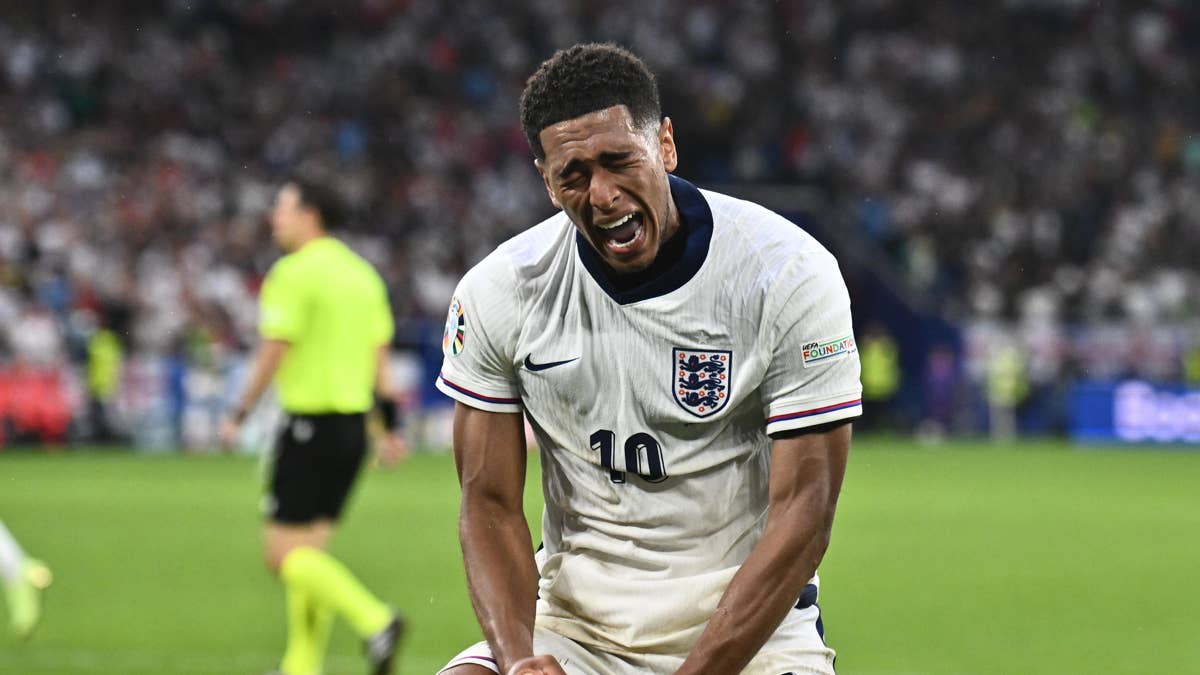
Sunday's El Clásico between Real Madrid and Barcelona took a frightening turn when Jude Bellingham appeared to lose consciousness after a collision with Eric García. The young star briefly left the pitch but returned to action shortly after—a move that ESPN FC celebrated as a display of toughness. The network's official soccer account posted on X, calling Bellingham's quick return a 'warrior mentality,' but the reaction from fans was anything but praise.
Instead of applauding the midfielder's resilience, commenters flooded the post with criticism, accusing ESPN of glorifying a potentially dangerous decision. 'Negligence by athletic training staff is not warrior mentality,' one user fired back. Another wrote, 'Warrior mentality? For someone that almost died all for nothing today? Nah, that’s not how warriors do.' A third added, 'Please don’t tell me ESPNs official soccer account is glorifying someone returning to play after being knocked unconscious.'
The backlash highlights a growing awareness of concussion risks in sports, a conversation that has gained traction in recent years as research reveals the long-term effects of head injuries. Critics argue that celebrating a player's return after a possible brain injury sends the wrong message, especially to younger athletes who might emulate that behavior. 'It’s important not to glorify playing on after sustaining head injuries,' one commenter noted. 'I assume Bellingham was assessed and cleared to play, so I’m speaking in broader terms—head injuries (esp one after another) come with a serious cost.'
ESPN FC's post didn't just miss the mark on safety; it also ignored the broader context of athlete welfare. While some suggested Bellingham wasn't truly knocked out or concussed, the network's framing ignored the possibility of a serious injury. The debate echoes concerns seen in other sports, such as the NFL's ongoing struggles with concussion protocols and player safety. Just last month, NFL commissioner Roger Goodell emphasized accountability in officiating, but the league has also faced scrutiny over head injuries.
The incident also brings to mind the tragic loss of former Arsenal and Juventus goalkeeper Alex Manninger, a reminder of life's fragility beyond the pitch. Meanwhile, a college soccer star's arrest at an ICE protest has sparked an FBI probe, showing how soccer often intersects with broader societal issues.
Bellingham's return may have been cleared by medical staff, but ESPN's decision to frame it as a 'warrior mentality' rather than a cautionary moment was a tone-deaf misstep. The network should have known better than to celebrate a player going back in after a potential brain injury—especially given everything we've learned about concussions. In a world where athlete safety is rightly prioritized, glorifying such risks feels like a step backward. Fans are right to demand more from a major sports outlet, and the backlash serves as a reminder that toughness shouldn't come at the cost of long-term health.