CBS may have won the ratings battle during the opening weekend of March Madness, but the network is losing the public relations war over its halftime coverage. Despite strong viewership numbers for the tournament's Selection Show and games, the network's studio segments have become an unexpected target for fan frustration and outright mockery.
Halftime Hosting Draws Fire
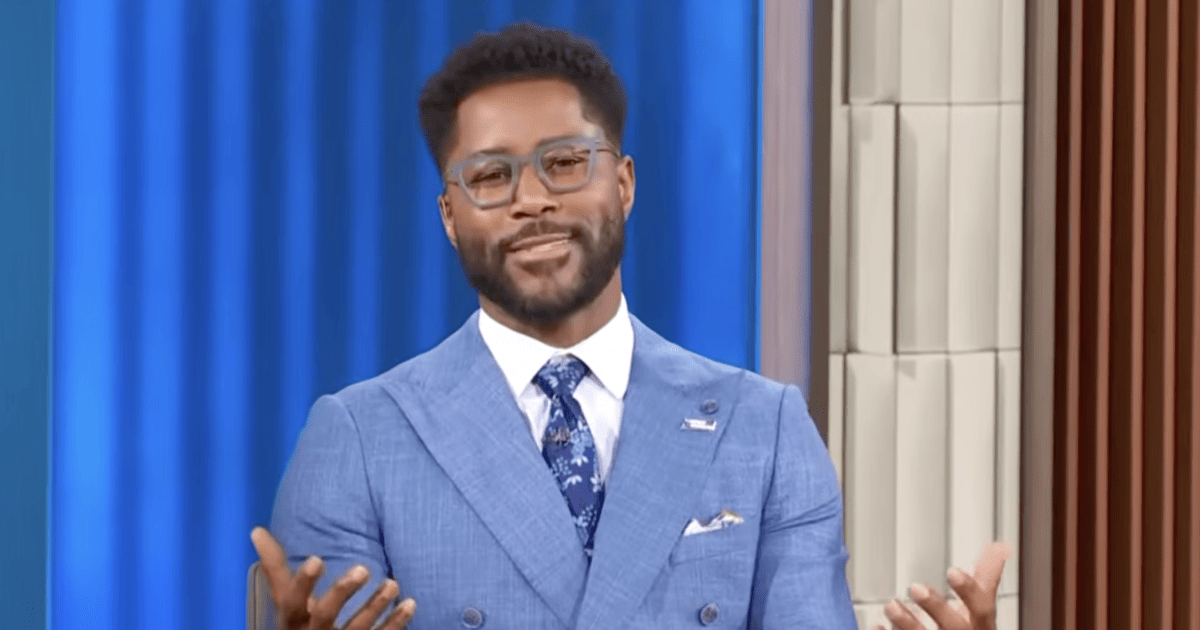
The broadcast team assembled for halftime analysis featured former NFL wide receiver Nate Burleson in a prominent hosting role, alongside WNBA veteran Renee Montgomery, NBA legend Charles Barkley, and college basketball analyst Clark Kellogg. While individually accomplished, the combination sparked immediate criticism about chemistry and expertise.
Social media platforms erupted with negative reactions following the weekend broadcasts, with the term "embarrassing" appearing repeatedly in fan commentary. The criticism centered on what many perceived as a disjointed presentation that failed to serve the college basketball audience.
Whitlock Leads the Charge
Former ESPN personality Jason Whitlock delivered one of the most scathing assessments, writing: "This CBS studio show is absolutely embarrassing. Zero concern for the audience. An inconsequential NFL player, a really inconsequential WNBA player, an all-time great NBA player who doesn't follow college basketball, and Clark Kellogg. Wow. The agenda is just too much."
Other fans echoed similar sentiments, with one noting: "CBS game announcers: on the whole, quite good. CBS studio show: for the most part, unwatchable." Another questioned the network's talent decisions: "How do they have Nate Burleson running the show? Did I miss something? Tons of more qualified people. This is a joke."
Burleson's Rising Role Questioned
The criticism comes as CBS appears to be testing Burleson in expanded roles, potentially positioning him for future NFL coverage. This strategic move, however, has raised eyebrows during college basketball's premier event. The network's attempt to blend personalities from different sports backgrounds appears to have backfired with a core audience expecting deep tournament analysis.
This halftime controversy adds another layer to what has already been a dramatic tournament filled with coaching debates and unexpected outcomes. From questionable coaching decisions to roster construction criticism, March Madness continues to generate heated discussions beyond the court.
Broader Tournament Context
The halftime show backlash stands in stark contrast to the generally positive reception of CBS's game coverage. While the network successfully delivered the on-court action that fans crave, the studio segments became an unwelcome distraction during one of sports' most anticipated events.
This incident highlights the delicate balance networks must strike when refreshing broadcast teams. As the tournament progresses to the Sweet 16 and beyond, all eyes will be on whether CBS adjusts its approach or doubles down on its current halftime formula.
The criticism also arrives amid broader conversations about tournament quality, with some fans already debating whether NIL regulations have affected the unpredictability that traditionally defines March Madness. Whether CBS's halftime coverage becomes a forgotten misstep or a lingering narrative likely depends on how the network responds during the tournament's crucial final rounds.