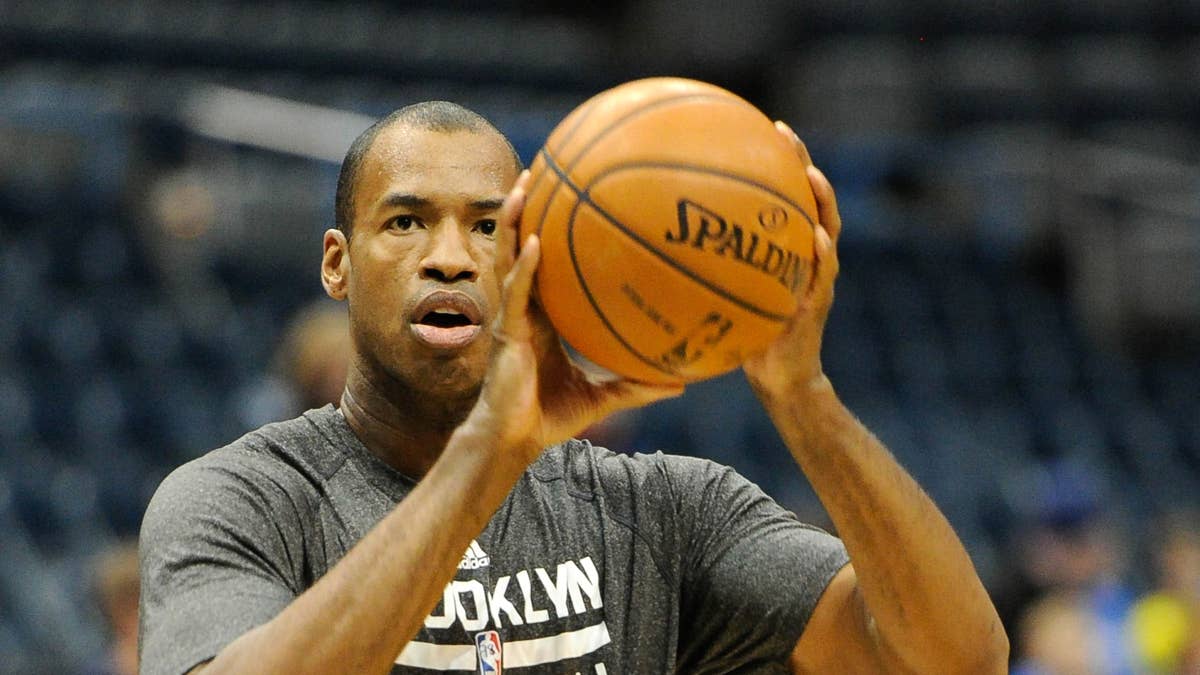
The basketball world is reeling after a devastating double loss on Tuesday. Jason Collins, the former NBA center who shattered barriers as the league's first openly gay active player, has passed away at 47. His death comes after a short, fierce battle with stage 4 glioblastoma, a brutal form of brain cancer.
Collins, a 13-year NBA veteran, suited up for six teams—including the New Jersey Nets, Memphis Grizzlies, Minnesota Timberwolves, Atlanta Hawks, Boston Celtics, and Washington Wizards. Known more for his gritty defense and leadership than his stats, he averaged 3.6 points and 3.7 rebounds per game. But his legacy extends far beyond the box score.
In a candid interview with ESPN's Ramona Shelburne, Collins recounted the shocking moments that led to his diagnosis. “In May I married the love of my life, Brunson Green, at a ceremony in Austin, Texas, that couldn’t have been more perfect,” he said. “In August, we were supposed to go to the US Open, just as every year, but when the car came to take us to the airport, I was nowhere near ready.” He described missing their flight because he couldn't focus to pack—a strange symptom he initially brushed off. “Something was really wrong, though. I was in the CT machine at UCLA for all of five minutes before the tech pulled me out and said they were going to have me see a specialist. I’ve had enough CTs in my life to know they last longer than five minutes and whatever the tech had seen on the first images had to be bad.”
The news of Collins' death was confirmed Tuesday night by ESPN's Shams Charania. It came just hours after the basketball community learned that another young player had died—Memphis Grizzlies forward Brandon Clarke, who passed away at only 29. NBA Commissioner Adam Silver released a statement honoring Clarke: “As one of the longest-tenured members of the Grizzlies, Brandon was a beloved teammate and leader who played the game with enormous passion and grit.” Clarke, a Gonzaga standout, averaged 10.2 points and 5.5 rebounds during his time in Memphis.
Collins' courage in coming out in 2013—while still playing—made him a pioneer for LGBTQ+ inclusion in professional sports. His decision was celebrated by teammates, fans, and the league. He later became a vocal advocate for equality, speaking at events and mentoring younger athletes navigating similar paths.
The NBA has seen other tragic losses in recent years, but the suddenness of these two deaths on the same day has left many stunned. Collins' battle with glioblastoma was brief; he was diagnosed in 2025 and died within months. His story echoes that of other athletes facing stage 4 cancer, but his openness about the journey brought a rare public glimpse into the fight.
Fans and former teammates have flooded social media with tributes, remembering Collins not just for his historic role but for his warmth, humor, and resilience. “He was a true pro and an even better person,” one former teammate wrote. The Grizzlies organization also released a statement mourning Clarke, calling him “a beloved teammate and leader.”
As the NBA family grieves, the focus is on celebrating the lives of two men who left an indelible mark. Collins' legacy as a barrier-breaker will endure, while Clarke's passion for the game will be remembered by everyone who watched him play. Our thoughts are with their families, friends, and all who loved them.