A Career Clouded by Crime
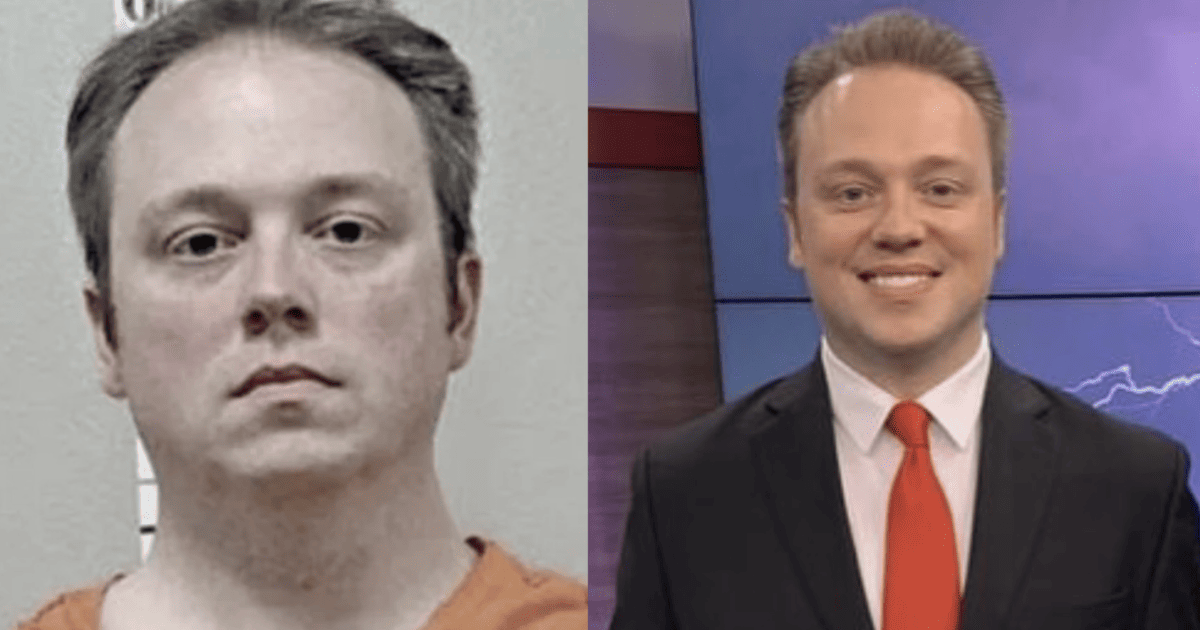
The world of local television news was rocked this week as a familiar face from weather broadcasts traded his forecast maps for a prison sentence. Josh Fitzpatrick, once the meteorologist for WVIR in Virginia, has been handed a two-year prison term following a disturbing case that blurred personal conduct with criminal activity.
Fitzpatrick, who is in his 40s, pleaded guilty earlier this month to two charges connected to a 2022 incident where he filmed a sexual encounter and distributed the footage without the other participant's knowledge or consent. The case, which unfolded over the past year, reached its conclusion in a Virginia courtroom, marking a dramatic fall from grace for the former broadcaster.

The Sentence and Its Surprising Twist
While the judgment calls for two years of incarceration, the actual time Fitzpatrick will spend behind bars is significantly less. According to reports from 29 News, the court suspended all but two months of the sentence, and Fitzpatrick received credit for time already served. He walked out of the courtroom a free man, though the conviction remains a permanent stain on his record.
"Fitzpatrick was sentenced to two years in jail, with all but two months suspended, and received credit for time already served. He left court a free man," the outlet confirmed, highlighting the complex nature of sentencing in cases where plea agreements are reached.
Prosecutors Push for Tougher Penalty
The path to this sentence wasn't straightforward. Fitzpatrick was initially arrested last spring on a more serious felony charge. However, prosecutors ultimately determined they couldn't secure a conviction on that higher count due to evidentiary challenges under current Virginia law.
Chief Deputy Commonwealth's Attorney Lawton Tufts explained the difficult position in a public statement. "Based on the seriousness of the conduct involved, our office believed a felony conviction was warranted," Tufts wrote. "However, the way the sexual extortion code section is currently written requires proof of specific legal elements that could not be established beyond a reasonable doubt in this case."
Tufts emphasized the professional obligations guiding the decision: "As prosecutors, we have an obligation to pursue charges that are supported by both the evidence and the law as it exists." This legal reality shaped the final charges to which Fitzpatrick pleaded guilty.
A Pattern of Professional Downfall
This case joins a growing list of stories about sports and media figures facing serious legal consequences. Just as former Ohio State football standout Kirk Barton recently received prison time, Fitzpatrick's sentencing demonstrates that public visibility offers no protection from accountability. Similarly, the world of professional wrestling is grappling with potential incarcerations, as seen with Ted DiBiase Jr. facing decades in federal prison.
The aftermath of such cases often involves rebuilding a shattered reputation. Some, like former NBA player Glen 'Big Baby' Davis, attempt comebacks after serving time, though the path is never easy. Fitzpatrick's future in media appears permanently forecasted with clouds, a stark reminder that actions away from the camera carry profound consequences.
The case serves as a sobering lesson about consent, privacy, and the legal boundaries surrounding intimate recordings. While Fitzpatrick avoided the maximum possible penalty, his conviction and the resulting prison sentence—however suspended—represent a definitive judgment on behavior that violated both trust and law. The meteorological career that once focused on predicting storms has ended in a personal tempest of its own making.