From the Hardwood to Hard Time: Glen Davis Regains Freedom
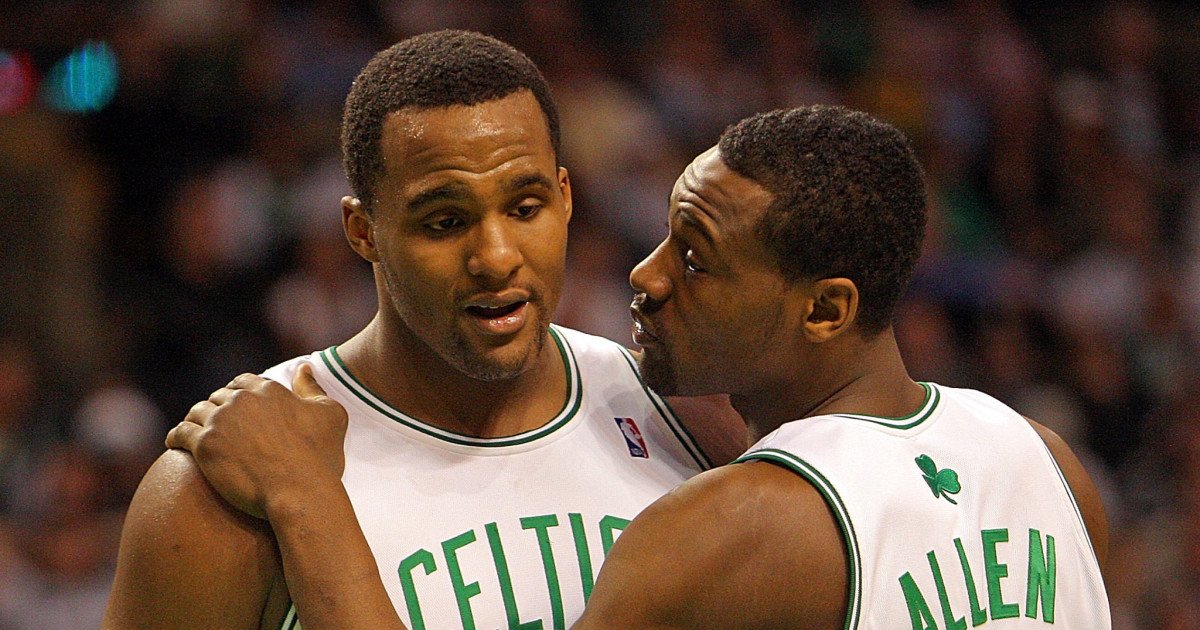
The basketball world received unexpected news this week as Glen "Big Baby" Davis, the energetic forward who helped the Boston Celtics capture the 2008 NBA championship, walked out of prison a free man. Davis, whose larger-than-life personality made him a fan favorite during his eight-year career, served 17 months behind bars for his involvement in a scheme to defraud the NBA's healthcare plan.
Now 40, the former LSU star was officially released on Thursday, marking the end of a challenging chapter that began with his conviction in November 2023. Davis was one of twenty former players caught up in the wide-ranging conspiracy that involved submitting false medical claims to the league's Health and Welfare Benefit Plan.
A Sentence Served and Lessons Learned
Originally sentenced to 40 months, Davis's release comes after he served approximately half his term. His attorney, Brendan White, emphasized to The Athletic that Davis approached his incarceration with purpose. "He used his time productively while serving his sentence and took many programs during that time," White stated. "He's ready to become a productive member of society again."
Davis himself didn't mince words when confirming his release, delivering a characteristically bold statement. "They tried to hold me down. You know what I'm saying? But I'm back, man. I'm back, baby." The declaration echoes the tenacity he displayed on the court during stints with the Celtics, Magic, and Clippers from 2007 to 2015.
His road to rehabilitation isn't completely finished, however. As part of his sentencing terms, Davis will be under supervised release for three years. He must also pay $80,000 in restitution, attend financial management classes, and undergo mandatory drug treatment—conditions designed to ensure a successful reintegration.
The Cost of Poor Decisions
The case that ensnared Davis serves as a sobering reminder of the challenges some athletes face after their playing days end. The fraud conspiracy exploited a system meant to support former players, casting a shadow over what had been a respectable career highlighted by that memorable championship run alongside Paul Pierce, Kevin Garnett, and Ray Allen.
Davis's fall from grace is particularly striking when contrasted with the current sports landscape, where financial literacy and post-career planning are increasingly emphasized. His story stands in stark contrast to other sports figures navigating public scrutiny, such as the former ESPN anchor whose divorce has turned contentious with theft allegations, or the legal storm brewing around a former Michigan staffer.
While Davis prepares for his next act, the sports world continues to move at a breakneck pace. From the fairways of TPC Sawgrass, where Paige Spiranac's style recently stole the spotlight at The Players Championship, to the shocking tragedy that struck the same tournament with a double homicide, the intersection of sports and real-world drama remains constant.
Looking Forward
What comes next for the man once known for his infectious smile and relentless hustle under the boards? Davis's statement suggests he views this as a comeback story. The basketball community will be watching to see if he can channel the determination that made him an NBA champion into rebuilding his life beyond the court.
His journey serves as both a cautionary tale about the perils of poor financial decisions and a testament to the possibility of second chapters. As Davis reacquaints himself with freedom, his path forward—guided by court-mandated programs and his own declared resolve—will determine whether "I'm back, baby" becomes a story of genuine redemption or merely a hopeful declaration.