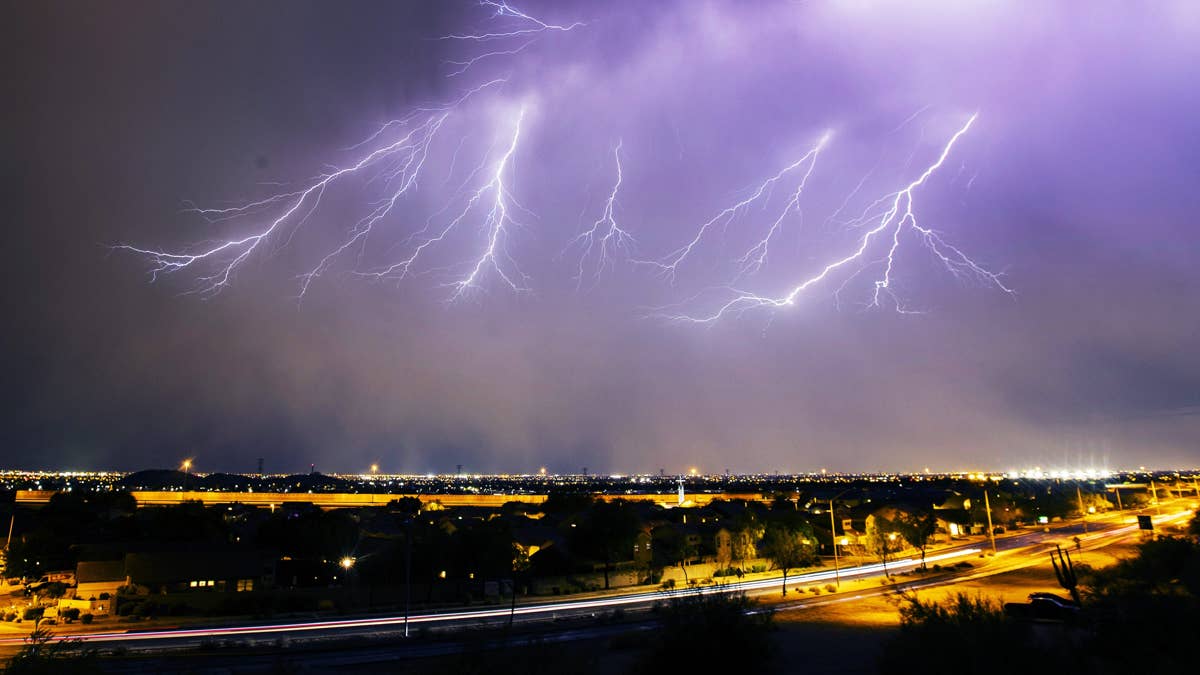
The National Weather Service is sounding the alarm for a powerful storm system set to roll across four states in the Pacific Northwest tonight. Residents in Montana, Idaho, Wyoming, and Utah should prepare for what could be a wild evening of extreme thunderstorms, complete with large hail, fierce winds, and dangerous lightning.
While the threat is labeled as a slight chance, the potential impacts are anything but minor. Forecasters warn that these storms could pack a punch, bringing heavy downpours, thunder, and lightning that could disrupt travel and outdoor plans. The system is expected to intensify as it moves through the region, so staying alert is key.

Which States Are at Risk?
The four states under the gun are:
- Montana
- Idaho
- Wyoming
- Utah
These areas are no strangers to spring weather, but the combination of large hail and strong winds could cause localized damage. Power outages and downed trees are possible, especially in areas where the storms hit hardest.
How to Stay Safe During Severe Thunderstorms
When the sky turns dark and the thunder rolls, knowing what to do can make all the difference. Here are key safety tips from the experts:
At Home
If a severe thunderstorm warning is issued, head to your safe spot immediately. That means an interior room away from windows, preferably on the lowest floor. Don't forget to bring your pets if time allows.
At Work or School
Stay away from windows and avoid large, open spaces like cafeterias or gymnasiums. These areas can be more vulnerable to wind damage.
If You're Outside
Get inside a sturdy building right away. Sheds and storage units won't cut it. And never take shelter under a tree—it could fall on you or attract lightning.
In a Vehicle
Your car is safer than being outside, but it's not ideal. If you can, drive to a secure building. If not, pull over away from trees and power lines, and stay put until the storm passes.
For those in Montana and North Dakota, a separate critical fire warning remains in effect, highlighting the volatile weather pattern across the region.
Stay tuned to local news and NOAA Weather Radio for updates. With the right precautions, you can ride out these storms safely. Stay safe, everyone.