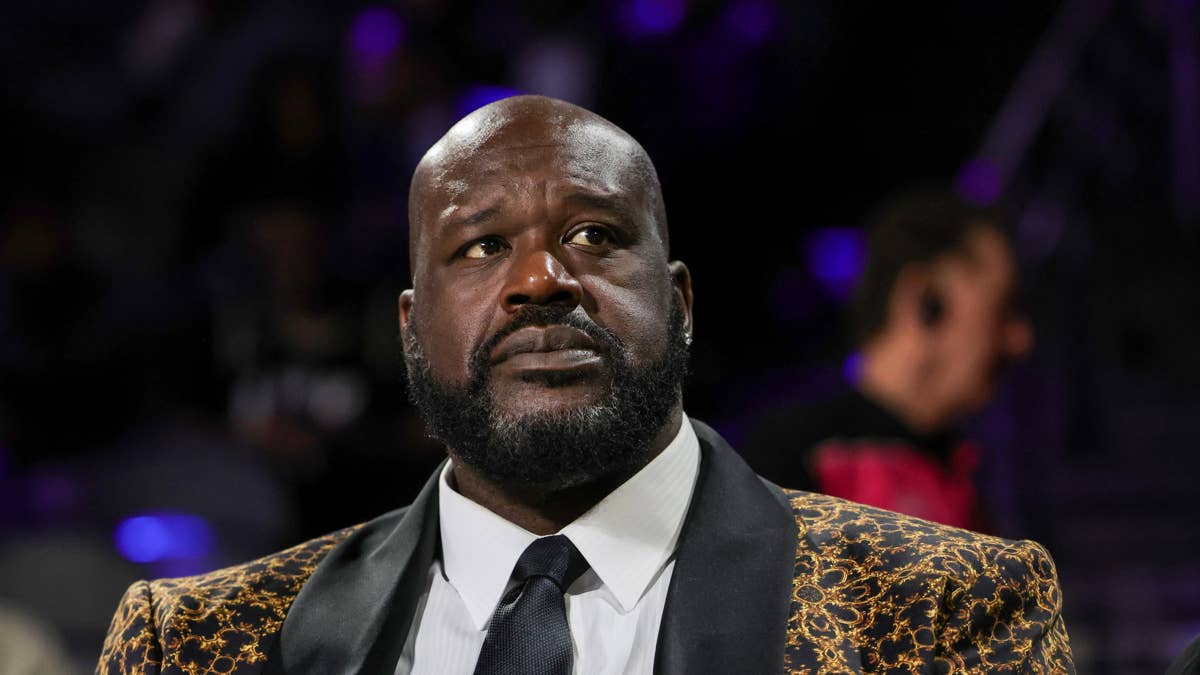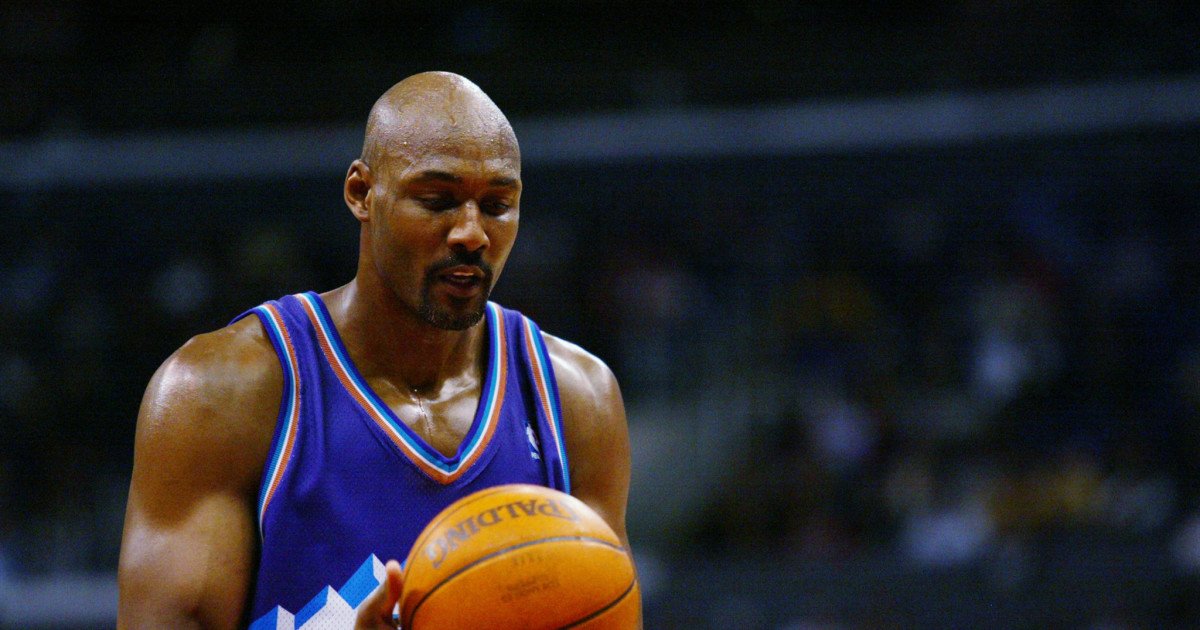
The NBA's recent move to cancel a controversial promotion has opened a floodgate of demands from fans, who are now calling for the league to apply its moral standards consistently—starting with the removal of a Hall of Famer's statue.
Commissioner Adam Silver announced the cancellation of the Atlanta Hawks' planned 'Magic City Night,' an event honoring a famous adult entertainment club. The league cited significant concerns from fans, partners, and employees, stating the promotion was inappropriate for the broader NBA community.
This decision, however, has sparked a pointed question across social media and fan forums: If the league is willing to draw a line here, why does it continue to honor figures with deeply troubling pasts? The spotlight has turned squarely onto Utah Jazz legend Karl Malone and the statue that immortalizes him outside the team's arena.
Malone's on-court credentials are undeniable. A two-time MVP, 14-time All-Star, and member of the NBA's 75th Anniversary Team, his legacy as one of the greatest power forwards ever is secure. For many, that athletic excellence alone justified the bronze tribute.
But for a growing number of fans and observers, his off-court history renders that honor unacceptable. The central controversy stems from Malone's time as a 20-year-old college sophomore at Louisiana Tech, when he fathered a child with a 13-year-old girl. While he was never criminally charged, paternity was established in court. This history has long been a stain on his reputation, one that feels increasingly irreconcilable with public commemoration.
"I wonder what message the university believes it sends to our students when it installs a statue on our campus of a wealthy and famous man who abused a minor when he was a star athlete," Louisiana Tech history professor Drew McKevitt told the Louisiana Illuminator, referencing a separate statue of Malone at his alma mater. Fans are echoing this sentiment, arguing the NBA's stance on 'Magic City Night' creates a clear double standard.
The backlash is multifaceted. Fans point out the league's recent celebration of Malone, including featuring him during the 2023 All-Star Game, directly contradicts a family-friendly image. As sports media personality Michelle Beadle noted, the situation forces uncomfortable conversations. Others criticize a league they see as selectively enforcing its values, celebrating some controversial figures while censoring others. This debate isn't happening in a vacuum; it's part of a larger cultural reckoning about which legacies we choose to monumentally honor in public spaces.
This controversy comes as other sports communities grapple with how to honor complex figures. For instance, Indiana University recently moved to immortalize the fiery Bob Knight with a statue, a decision that also sparked debate about separating coaching genius from personal conduct. Similarly, the sports world was recently reminded of athletes' personal battles when major champion Gary Woodland bravely revealed his PTSD struggle following brain surgery.
The core demand from fans is for consistency. If the NBA deems a club promotion inappropriate for its community, they argue, how can a statue honoring a man with Malone's history stand? They are challenging Commissioner Silver and the league to either defend the statue's place as consistent with NBA values or remove it. The ball, as they say, is now in the league's court. With severe weather like a potential tornado threat disrupting sports across multiple states, the league has immediate concerns, but this issue of legacy and morality promises to linger far longer.