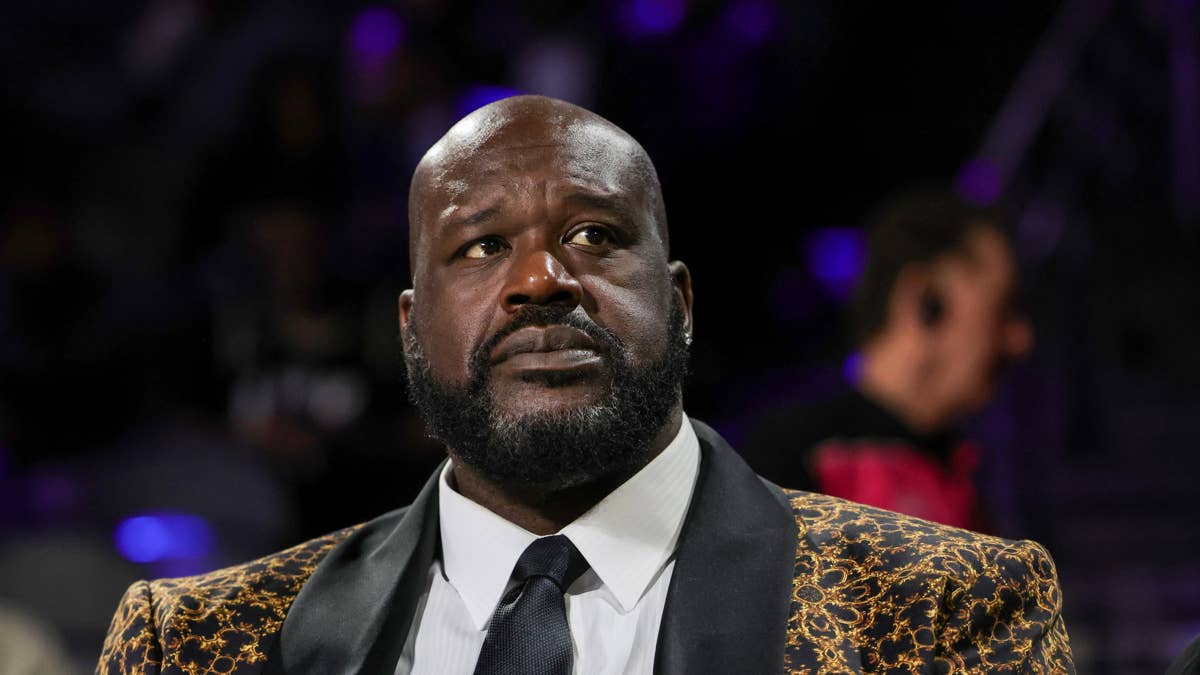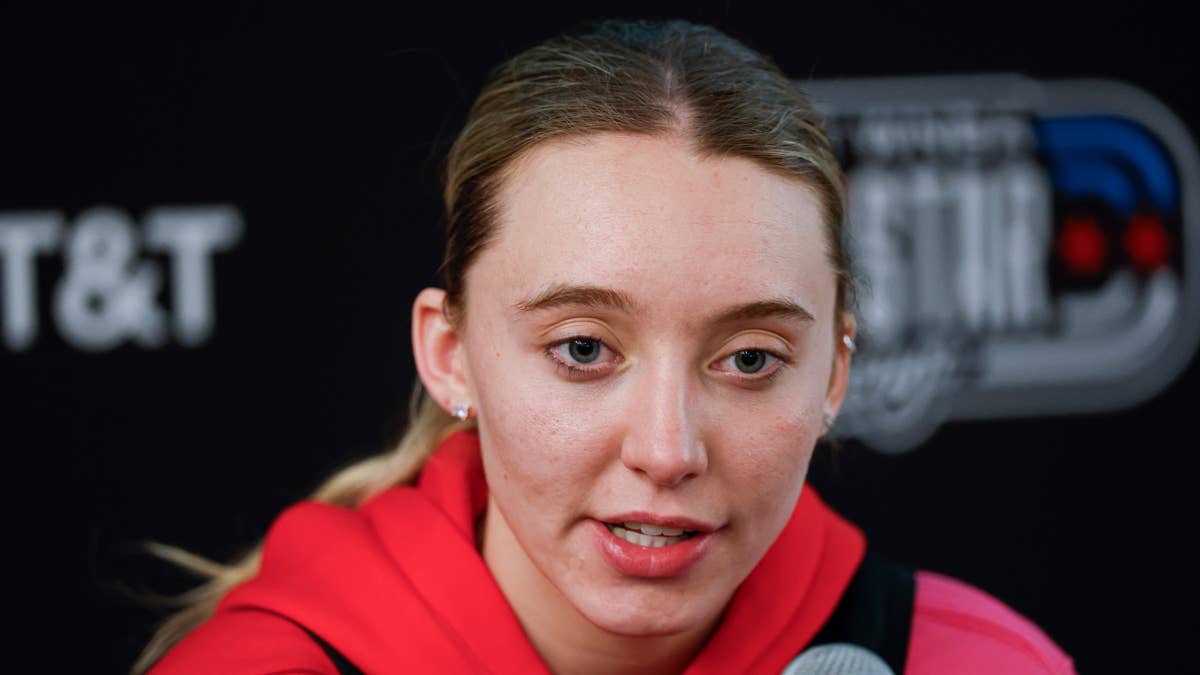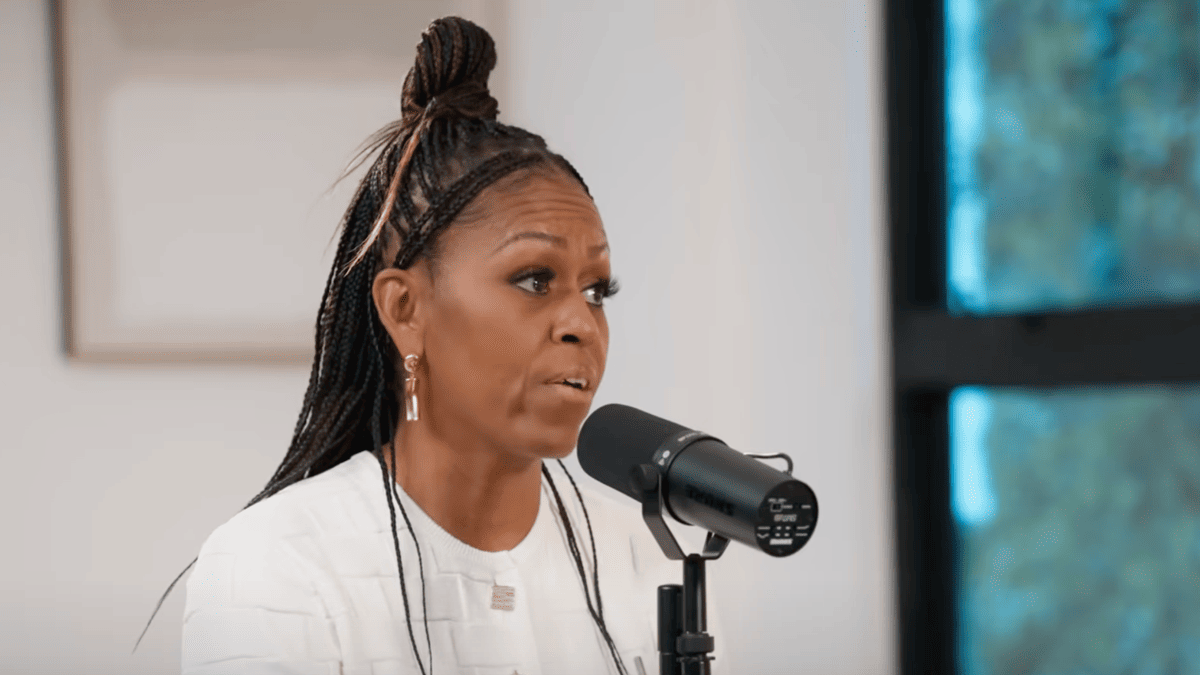
Angel Reese has never been a fan of the media spotlight. The WNBA star recently admitted on Michelle Obama's podcast that she'd rather pay fines than face uncomfortable press conferences. While Obama sympathized, her endorsement of Reese's approach misses the mark for a league on the rise.
Reese didn't mince words: “The media has not always been great for me. And I’ll take a fine. I’ll catch a fine, especially in a WNBA. I’ll have a fine before I have to go to media and feel like my back is against the wall.” Obama agreed, comparing ESPN to reality TV and urging Reese to prioritize her mental health over mandatory interviews.
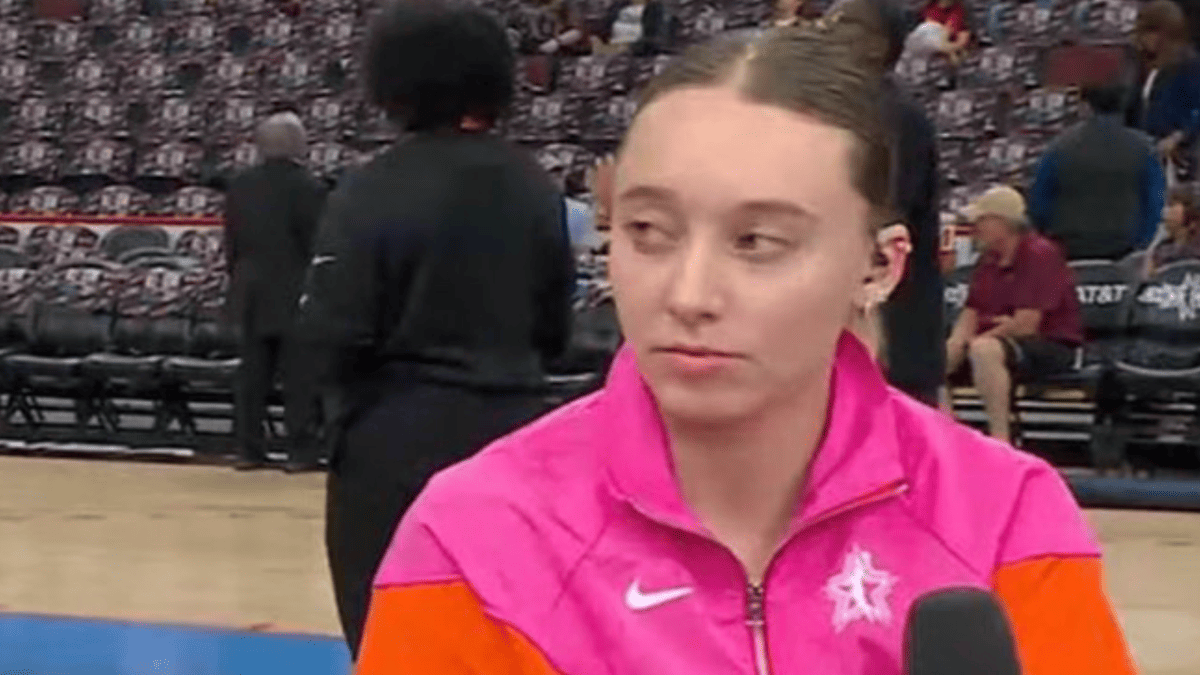
It's true that social media can be brutal. Obama noted, “There’s the hate. But now the hate is in your room, on your phone with you all the time.” She even likened ESPN to The Real Housewives of Atlanta, calling it “the same drama.” But here's the rub: ducking reporters doesn't help the game grow.
The WNBA's collective bargaining agreement requires players to speak with media after games, with fines up to $10,000 for violations. As the league expands its audience, visibility brings both praise and criticism. Megan Rapinoe has also called for media reforms, but avoiding interviews entirely sets a dangerous precedent.
Professional athletes in the NFL, NBA, and MLB face constant scrutiny. Bronny James recently dealt with media backlash, yet he didn't skip out. The WNBA's rising stars need to embrace this reality, not hide from it.
Obama's advice, while well-intentioned, encourages a culture of avoidance. Reese has a platform to be a leading voice—not just for her team, but for the league. Reese has already shown she can handle hot topics, like the Klay Thompson-Megan Thee Stallion drama. She can handle a postgame interview.
If the WNBA wants to compete with major sports, its players must engage with the media. Fines and silence won't build a fanbase. Obama should have encouraged Reese to speak up, not opt out.