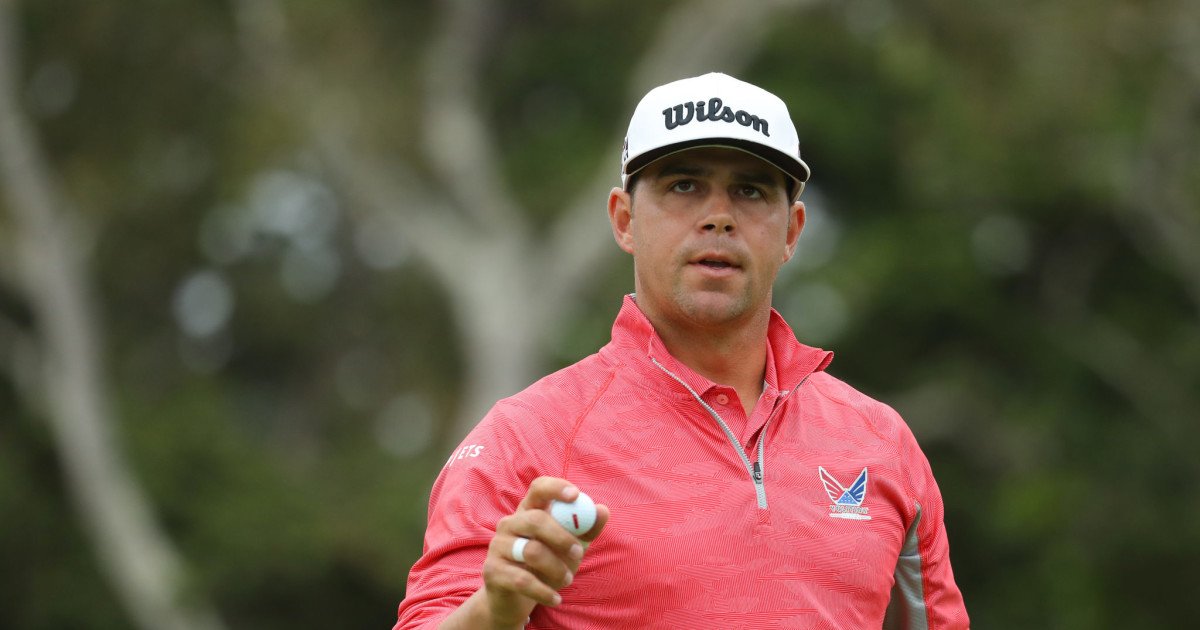
In a stunningly candid revelation, PGA Tour star and 2019 U.S. Open champion Gary Woodland has pulled back the curtain on a deeply personal and ongoing battle. The 41-year-old athlete, known for his powerful swing and major triumph, has disclosed he is fighting post-traumatic stress disorder (PTSD) in the aftermath of a life-altering brain surgery last year.
The surgery successfully removed a lesion that was causing seizures, but the psychological aftermath has been a steep, hidden hill for Woodland to climb. Diagnosed a year ago, the golfer has been carrying this weight in silence while competing against the world's best, a testament to his resilience but also a source of immense internal conflict.
The Weight of a Smile
Woodland's struggle highlights the often invisible wounds athletes endure. "Every week, I come out and everyone is so excited and happy that I'm back. I hear that every week: 'It's so nice to see you passed this. It's so nice to see you 100%,'" Woodland shared. "And I appreciate that love and support, but inside, I feel like I'm dying. I feel like I'm living a lie."
He has decided he no longer wants to expend energy hiding his condition, choosing instead to channel it toward his recovery, his family, and his dreams on the golf course. This kind of vulnerability from a top-tier competitor is a powerful moment for sports, echoing the growing conversation around mental health that stars in other leagues have championed, similar to the off-field pressures discussed around moves like the Vikings' major QB swing.
A Raw Glimpse Into the Fight
The disorder's impact is visceral and disruptive. Woodland recounted a recent tournament where a scorekeeper simply standing too close triggered a severe episode. "I stepped aside, I pulled my caddie and said, 'This stuff is hitting me, man. You can't let anybody get behind me,'" he told Golf Channel. His world quickly unraveled: his memory failed, his vision blurred, and he broke down in tears in the middle of the fairway, unable to take his shot.
His voice trembled as he described the exhausting reality. "There are days where it's tough," he admitted. "Crying in a scorer trailer. Running to my car to hide it because I'm scared ... I don't want to live that way anymore. If I'm feeling something, I want to let it out, let it go."
Defying Medical Advice for His Dream
In a striking defiance of conventional wisdom, Woodland is choosing to play on. He revealed that doctors have advised that, for his mental health, stepping away from the high-stress, overstimulating environment of professional golf would be ideal. "Doctors have said in an ideal world, I'm probably not playing," Woodland confirmed.
His response was unequivocal. "But my response was, in an ideal world, I don't have [PTSD]. [Golf] is my dream, this is what I'm going to do, and no matter how hard it is, I'm going to play." This unwavering commitment mirrors the determination seen across sports, whether it's a team making bold roster moves like the ESPN reporter acquisitions or an athlete pushing through a rigorous recovery.
Woodland's announcement is more than a golf story; it's a human one. It serves as a stark reminder that triumph and trauma can coexist, and that the fight often continues long after the visible wounds have healed. As he continues his PGA Tour journey, his greatest victory may be inspiring others to speak their truth, proving that even major champions face battles far beyond the leaderboard.