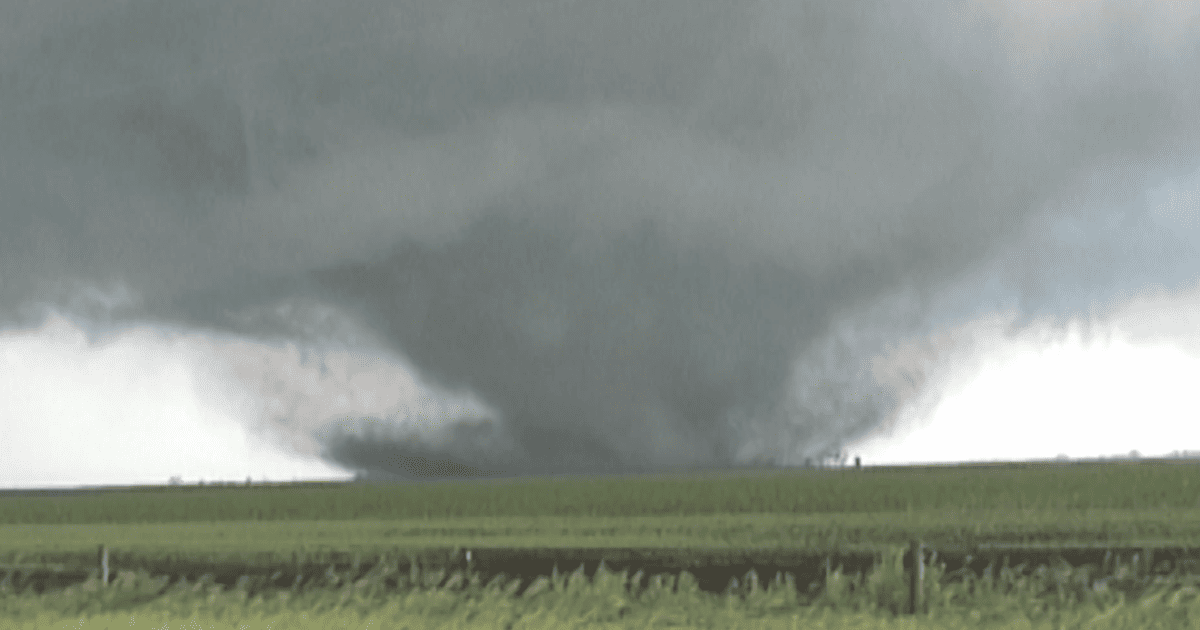
Sports fans across a massive swath of the country need to keep one eye on the sky Tuesday. A significant severe weather outbreak is brewing, with the National Weather Service warning that up to 12 states could face tornadoes, large hail, and damaging winds on March 10.
The threat zone stretches from the Southern Plains through the Midwest, putting major population centers and numerous sporting venues on high alert. This isn't just a passing shower—meteorologists are tracking conditions ripe for powerful, fast-moving storms that demand serious attention.

Wide-Ranging Impact Zone
The states bracing for potential tornado activity include Texas, Oklahoma, Kansas, Louisiana, Arkansas, Missouri, Iowa, Illinois, Indiana, Kentucky, Ohio, and Michigan. This corridor is home to countless high school, college, and professional sports teams, meaning Tuesday's game schedules could be in jeopardy.
This follows a pattern of disruptive spring weather, similar to the threats seen earlier in the week. For context on how these systems can affect the sports world, you can read about previous incidents in our coverage of severe weather impacting sports events and the tornado threat that targeted six states on Monday.
Understanding the Risk
The National Weather Service indicates tornado probabilities ranging from 2% to 10% across the affected regions. While those percentages might sound low, in weather terms, a 10% chance of a tornado within 25 miles of any point is considered a heightened and serious risk. The storms are also expected to bring a cocktail of other hazards, including severe thunder and lightning, torrential rain, and hail potentially large enough to damage vehicles and structures.
For athletes, fans, and sports staff traveling to or from events, this creates a dual challenge: potential schedule changes and genuine safety concerns. Outdoor practices, games, and fan travel could all be significantly impacted.
Safety Must Come First
When severe weather strikes, knowing what to do is critical. The NWS and emergency management officials emphasize that having a plan can save lives. If you have tickets to a game or are planning to attend any outdoor sports activity in these states Tuesday, stay weather-aware.
Key safety steps include:
- Stay Informed: Keep a battery-powered NOAA weather radio or reliable weather app handy. Tornado watches and warnings can be issued with little notice.
- Seek Sturdy Shelter: If a tornado warning is issued for your area, immediately go to a basement, storm shelter, or an interior room on the lowest floor of a building, away from windows.
- Have a Plan at Venues: If you're at a stadium or arena, follow staff instructions. Large, open concourses, bleachers, and gymnasiums are not safe during a tornado.
- Avoid Vehicles and Mobile Structures: Being in a car or a mobile home is extremely dangerous during a tornado. If caught driving, try to get to a substantial building. As a last resort, abandon your vehicle for a low-lying ditch and cover your head.
This severe threat is a stark reminder of how quickly conditions can change. Similar outbreaks have previously caused major disruptions, like the 'monster' hail and tornado outbreak that targeted seven states.
Game-Time Decisions
Coaches, league officials, and event organizers in the affected states will be monitoring forecasts closely throughout the day. Postponements, delays, or venue changes are a real possibility for evening games and events. Fans should check official team and league social media channels and websites for the latest updates before heading out.
While we all love the thrill of game day, no contest is worth risking safety. Staying alert, having a plan, and heeding official warnings are the most important plays anyone can make when facing this level of severe weather threat. Let's all stay safe out there.