As the madness of March gets ready to sweep the nation, TNT Sports has thrown down a gauntlet with a stunning prediction. According to their deep-dive analysis, the field of 68 teams has been dramatically narrowed—only seven programs have the legitimate credentials to cut down the nets and win the 2026 NCAA Tournament.
The Elite Seven
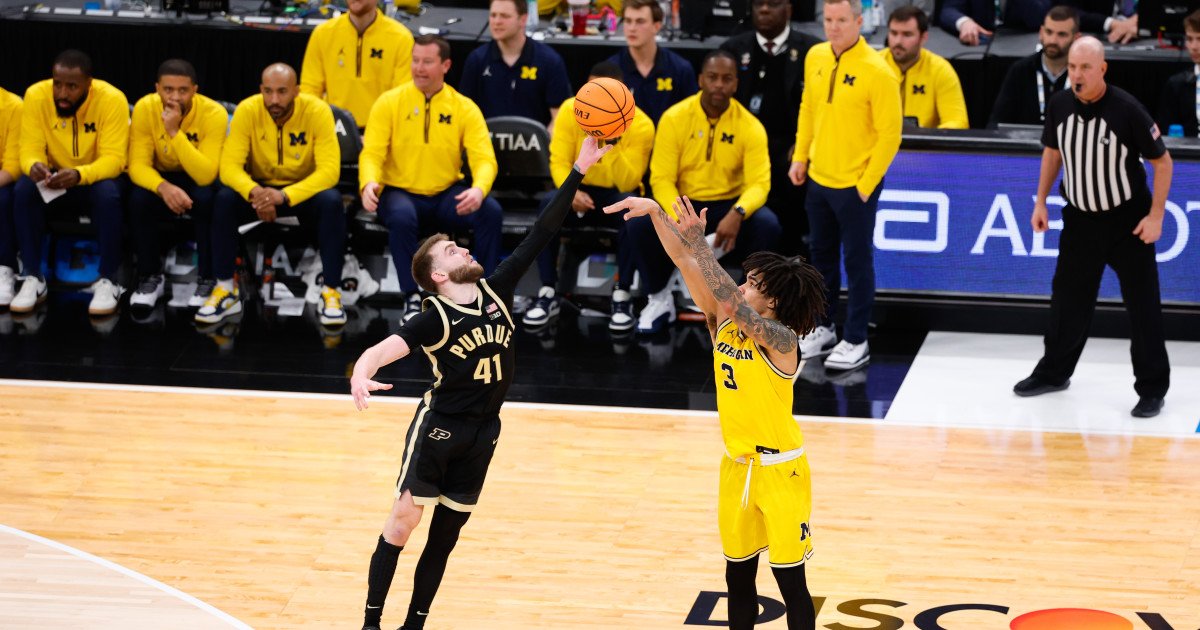
So, who made the cut? TNT's shortlist of true contenders is headlined by the Duke Blue Devils, who enter the tournament as the odds-on favorite. Hot on their heels are the Arizona Wildcats and Michigan Wolverines, with all three considered heavyweights likely to make deep Final Four runs. Rounding out the exclusive group are Houston, Iowa State, Purdue, and the ever-dangerous defending champion, UConn.
This isn't just a hunch. TNT's team of analysts applied a ruthless filter of historical championship trends to separate the contenders from the pretenders. "We looked at decades of data," a network source explained, "and the patterns for what makes a champion are clearer than you might think."
The Championship Blueprint
The criteria used to whittle down the field are specific and unforgiving. According to TNT's research, a national champion almost always checks these boxes:
- Never lost three of its final four games before the Big Dance.
- Avoided a disastrous five-game losing streak during the season.
- Was ranked in the AP Top 25 at some point in the year.
- At least reached the semifinals of its conference tournament.
- Earned a No. 1 through No. 8 seed in the tournament.
- Put together a six-game winning streak at some point in the campaign.
- Didn't suffer a humiliating 25-point loss.
- Was ranked in the top 12 of the AP Poll back in Week 6 of the season.
"When you run every team through that gauntlet," the analysis concludes, "the list gets very small, very fast." This kind of data-driven breakdown is what makes March Madness so compelling for analysts and fans alike.
Seeding: The Ultimate Predictor?
Perhaps the most telling statistic in TNT's report is the overwhelming dominance of top seeds. An astonishing 17 of the last 18 national champions have been either a No. 1 seed or the UConn Huskies. The lone exception was the Villanova Wildcats, who won it all as a No. 2 seed back in 2016.
This historical precedent suggests that while Cinderella stories make for great television in the early rounds, the glass slipper almost always shatters before the final weekend. If you're filling out a bracket, banking on a No. 1 seed to make a deep run is practically a requirement. For a different perspective on the favorites, check out our report on the coaches' consensus which has Arizona over Duke.
The announcement has already sparked debate across the sports world. Is it wise to count out the unpredictable magic of March so definitively? Or has TNT simply identified the cold, hard truth about what it takes to win six high-stakes games in a row? This analysis adds another layer of intrigue to a tournament that is never short on drama, much like the controversy that can arise from broadcast blunders during tournament coverage.
One thing is certain: the pressure is now squarely on the shoulders of those seven anointed teams. For everyone else in the field, TNT's message is clear—you're playing for pride, because history says you can't win it all.