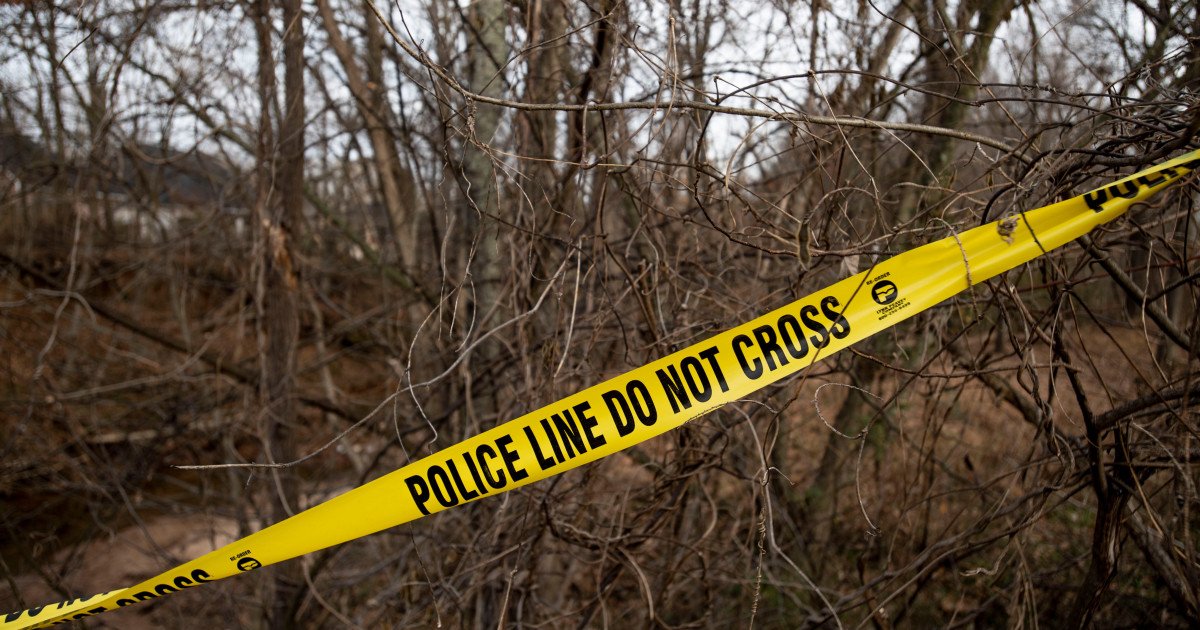
Federal authorities are sounding the alarm on outdoor safety after a heartbreaking incident claimed the life of an active-duty service member. The tragedy unfolded Saturday afternoon at Tennessee's Signal Point, where a hiker suffered fatal injuries from a fall, prompting an urgent nationwide warning for all adventurers.
According to reports, the male hiker was exploring the area with a companion when the accident occurred. Emergency services responded to a 9-1-1 call, and the individual was rescued from the scene but later succumbed to his injuries. Detective Sergeant David Holloway confirmed the death to local media, stating the hiker's identity would be withheld pending notification of all family and friends, but revealed the victim was a confirmed member of the United States Air Force.

This sobering event serves as a critical reminder that even experienced individuals and those in peak physical condition are not immune to the dangers of the wilderness. The stunning vistas that draw us to places like Signal Point can also distract from the very real risks underfoot. In light of this, officials are reiterating fundamental safety protocols that every hiker, from novice to expert, must prioritize.
Essential Safety Steps for Every Trail
Vigilance is your first line of defense. It sounds simple, but always watch your step. The allure of a breathtaking panorama can pull your attention away from unstable terrain. Keep your hands free for balance by securing phones, cameras, or GPS devices before moving. When navigating rocky sections, always test a hold or footing before committing your full weight.
Be hyper-aware of your positioning, especially when stopping for that perfect photo. When putting on or adjusting a backpack, ensure you have space to stabilize yourself. Extra caution is non-negotiable near cliff edges, and conditions become exponentially more hazardous after rain, making surfaces slippery and unstable.
Knowing When to Turn Back
There is no shame in altering your plans. If weather shifts for the worse, the trail becomes unexpectedly treacherous, or anyone in your group feels fatigued, turning around is the smart and courageous choice. Pushing forward against changing conditions is a common factor in many outdoor accidents.
Gear can be a lifesaver. Trekking poles are excellent tools for maintaining balance on steep inclines, crossing streams, or navigating obstacles. However, they supplement, rather than replace, your own natural stability. As seasons change, consider traction devices for your boots to combat slick surfaces. Building core strength and balance through conditioning exercises, like the recommended "Daily Dozen" from outdoor fitness expert John Colver, can also provide a significant safety boost.
This tragedy echoes other recent outdoor warnings, such as the urgent safety alert issued after the Mount Beerwah incident. It also comes during a period of heightened awareness for the well-being of those in high-stress roles, paralleling discussions like A.J. Green's urgent call for mandated mental health care in the NFL. While the circumstances differ, the core message of prioritizing safety and preparedness unites them.
The loss of a service member in a recreational accident is a profound reminder that safety must always come first. Our thoughts are with the airman's family, friends, and fellow service members. As we honor those who serve, let's all commit to making responsible choices in the great outdoors. Stay alert, stay prepared, and stay safe out there.