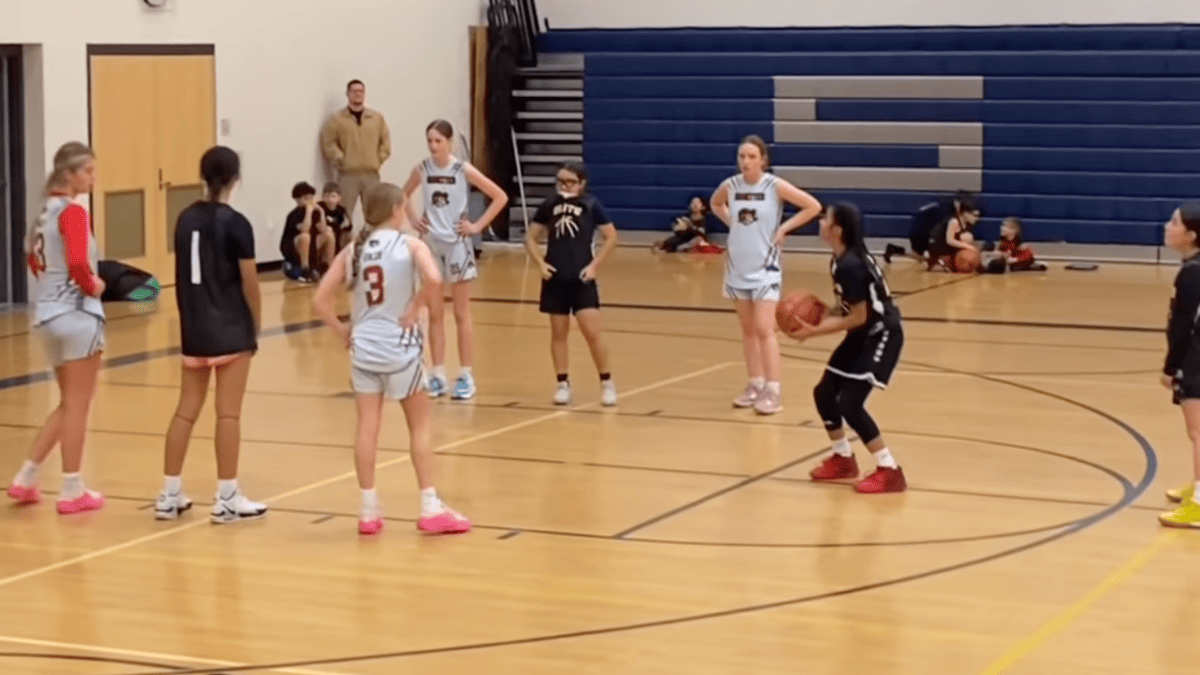
Remember when cheering for your kid from the sidelines was free? For a growing number of parents, those days are a distant memory, replaced by a paywall at the gym door. A firestorm has erupted across social media and kitchen tables as families confront a new reality in youth athletics: shelling out cash just to be a spectator.
The $30 Sticker Shock
The tipping point came when former CNN host Chris Cillizza took to social media with a jaw-dropping receipt. "I just paid 30 dollars to see my 13 year old play basketball," he posted, adding the blunt assessment, "Youth sports are broken." That single tweet ignited a powder keg of pent-up frustration from parents who feel the simple joy of watching their children compete has been commodified.

Gone are the days of free admission for youth baseball, basketball, or football—even for travel games. The model has shifted dramatically, with costs now extending far beyond registration fees and equipment. Parents are being asked to open their wallets repeatedly, from tournament entry fees to facility charges, all before buying a single bag of popcorn from the concession stand.
A System Under Scrutiny
The backlash isn't just about money; it's about values. Many parents point directly at the rise of expensive, elite travel leagues as the culprit. "Youth sports aren't broken. Fake vanity travel sports are broken," argued one commenter, championing low-cost recreational and school-based programs. Another lamented the toll on family life: "I detest travel sports. Horrible for family time... non stop travel on the weekends."
This sentiment echoes warnings from figures like Danica Patrick, who has urged parents to pump the brakes on the youth sports obsession. The critique extends to sideline behavior, with commentators like Kirk Herbstreit torching the 'pathetic' culture that sometimes accompanies these high-stakes, high-cost environments.
Is There a Better Way?
Amid the outrage, alternatives are getting a fresh look. Commenters are calling for a return to community-based organizations like the YMCA (YBA) and Catholic Youth Organization (CYO), which traditionally focused on participation over profit. "We better build back YBA, CYO and serious middle school sports before it's too late," pleaded one fan, noting that most schools already have the necessary gyms and fields.
The financial reality is stark. As one observer noted, "VCs and hedge funds know parents will pay anything for a perceived better product." This commercialization has created a cycle where more money and more travel seem inevitable. Yet, critics question the return on investment, noting a child's odds of going pro are astronomically low—"worse than you winning mega millions lottery."
The debate highlights a fundamental tension in modern youth sports. Is the goal professional development or childhood fun? The push for elite training often comes at the expense of community, affordability, and simple enjoyment. As celebrations themselves become spectacles—prompting fury over 'reality show' antics—the core purpose of the game can get lost.
Whether it's a controversial home run celebration in youth baseball or a shocking admission fee, the message from parents is clear: the current trajectory is unsustainable. The system isn't just costing them money; it's costing them the pure, uncomplicated pride of watching their kids play. As one parent simply stated, looking back: "Oooooof – that's wild… So much has changed since I played sports as a kid." The question now is whether that change has gone too far.