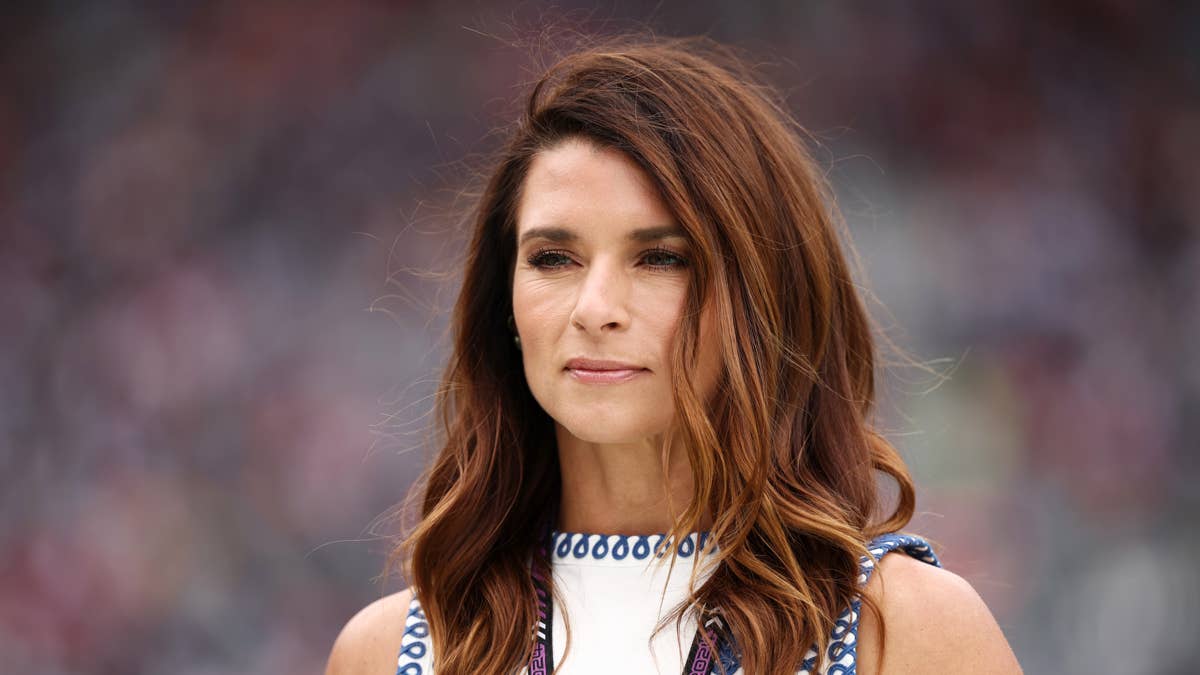
Is the relentless grind of youth sports doing more harm than good? Racing icon Danica Patrick is stepping off the track and into a new role: advocating for sanity in America's youth sports culture. The former NASCAR and IndyCar driver is issuing a powerful plea to parents everywhere to ease up on the pressure, dial back the intensity, and remember what playing games is really about.
The High-Stakes Game No One Wins
Patrick's message cuts to the heart of a modern dilemma. Families are pouring staggering amounts of time and money into travel teams, private coaching, and year-round schedules. Weekends vanish into tournaments, vacations revolve around competitions, and household budgets strain under the weight of fees and gear. "Can we pump the brakes on youth sports?" Patrick asked in a recent social media post that resonated with thousands.

The statistics are sobering. The overwhelming majority of young athletes—far beyond 99%—will never play at the collegiate level, let alone professionally. Yet the investment continues to skyrocket, creating what many see as an unsustainable system. Patrick, whose own dedication to racing led her to forgo a traditional high school graduation, now questions whether that level of single-minded focus is healthy for most kids and families.
Finding the Balance Between Passion and Pressure
"I don't have kids but I know a lot of people with kids and this seems on point," Patrick added, acknowledging her unique perspective. Her call isn't to abandon sports altogether—she recognizes the tremendous value in teamwork, discipline, friendship, and physical activity. Instead, she's urging parents to find a healthier equilibrium where sports complement childhood rather than consume it.
The response from parents has been a chorus of weary recognition. "Travel hockey and lacrosse mom here! I feel seen," wrote one fan, while another detailed a typical evening: acting as a substitute coach for one team while her 11-year-old plays on another field, followed shortly by her middle child's game coached by her husband. The sentiment is clear: the grind is real, and many feel trapped in its momentum.
The Business of Childhood Competition
Some responses pointed to a deeper issue. "Once they figured out how to monetize kids sports they destroyed them," commented one fan. "They made it such that if you don't drink the kool aid your kid can't compete with the kids that do." This commercialization has created an arms race where families feel compelled to keep up or risk their child falling behind, transforming what should be recreational activities into high-stakes investments.
Patrick's own post-racing career shows she understands dedication—her business empire has soared to an $80 million net worth, proving her competitive drive extends beyond the track. Yet she's advocating for perspective, suggesting that the current youth sports model may be missing the forest for the trees.
A Cultural Shift in the Making?
The conversation Patrick has ignited touches on broader themes in sports culture. From the intense scrutiny on young phenoms like Caitlin Clark—where teammates like Lexie Hull have revealed unexpected challenges—to the pressure-cooker environments in other sports, the professionalization of youth athletics is under increasing examination.
Even in golf, where family involvement is often intense, stories like Justine Reed's role in Patrick Reed's career highlight how familial dedication can become all-consuming. Patrick's message suggests there might be a middle ground between support and suffocation.
As parents navigate this complex landscape, Patrick's voice adds weight to a growing movement advocating for change. Her unique position as an elite athlete who sacrificed normalcy for success gives her message particular credibility. She's not criticizing dedication—she lived it—but questioning whether the current system serves most children well.
The ultimate goal? To reclaim the joy, the learning, and the simple fun of playing games. To remember that most young athletes will carry forward not trophies or scholarships, but memories of camaraderie, lessons in resilience, and hopefully, a lifelong love of being active. Danica Patrick's checkered flag isn't waving for more intensity—it's signaling that it might be time for everyone to slow down and enjoy the ride.