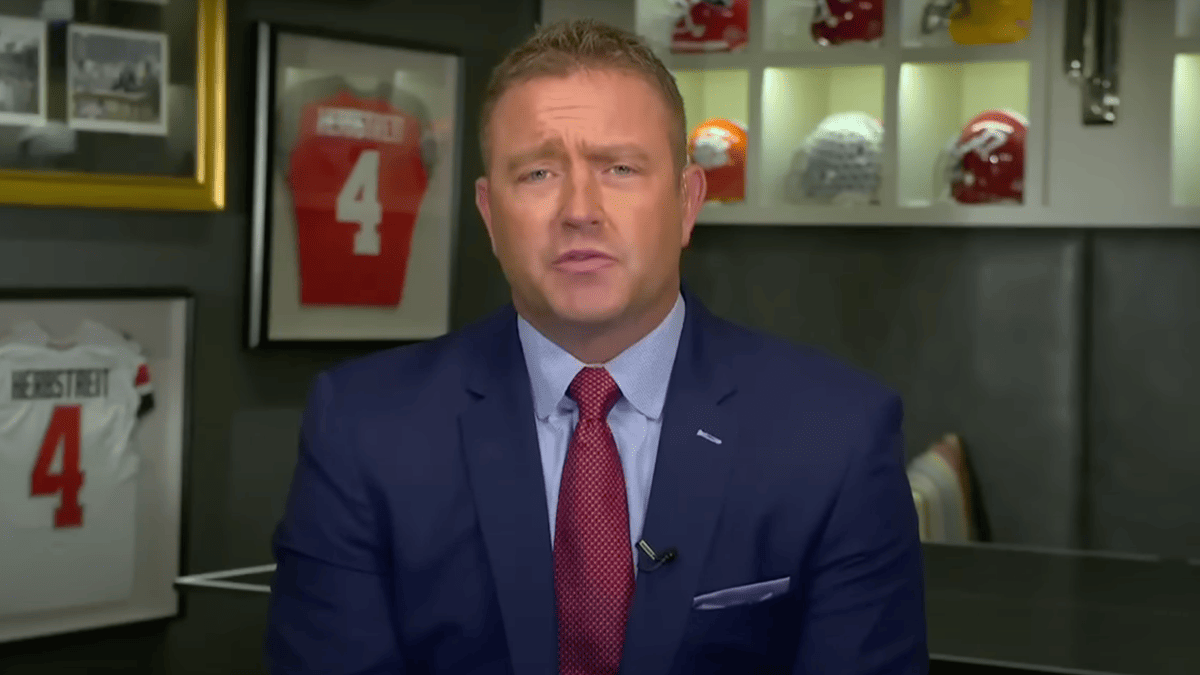
The world of youth sports is facing a fierce new critic, and he's calling out the adults in the room. ESPN college football analyst Kirk Herbstreit unleashed a blistering social media tirade, taking aim not at the young athletes, but at the parents and coaches he says are fostering a 'pathetic' culture of self-promotion over sportsmanship.
The Viral Spark That Lit the Fuse
The controversy ignited from a now-viral clip of a 12-year-old baseball player. After hitting a home run, the player, wearing a GoPro camera on his helmet to capture 'content,' spiked his bat, engaged in an elaborate celebration with his third-base coach, and even dunked a mini-basketball upon crossing home plate. While the clip spread rapidly online, it drew sharp condemnation from figures like Herbstreit who saw it as a symptom of a larger problem.

'How is this celebrated?!? What the (expletive) is wrong with people?!' Herbstreit exclaimed on X. 'Where are the coaches? Umpires? What parent in the right mind wouldn't drag their son off the field if he did that? Pathetic!!' His fury was directed squarely at the adults who allowed—and in his view, encouraged—the spectacle.
A Growing Chorus of Criticism
Herbstreit wasn't alone in his outrage. Former ESPN analyst Danny Kanell echoed the sentiment, stating, 'The coaches and parents who allow this to go on are the problem. Instead of teaching kids how to play the game the right way and show respect for the opponent they're worried about getting viral attention. Embarrassing.'
The incident has become a flashpoint in an ongoing debate about the soul of youth athletics. Critics argue that the pursuit of social media fame and 'look at me' moments is overshadowing fundamental lessons in teamwork, humility, and respect for the game. This isn't an isolated case, as similar debates have erupted, like the recent uproar over another 12U player's 'look at me' antics.
This focus on viral content raises a troubling question: are we teaching kids to play for the love of the game, or for the love of likes and shares? The pressure to create highlight-reel moments can distort the purpose of competition, turning a team sport into an individual branding exercise.
The Real Problem Isn't the Kids
At the heart of Herbstreit's rant is a crucial distinction: the problem isn't the 12-year-old who got caught up in the moment. The problem is the ecosystem that rewards such behavior. When coaches don't intervene and parents cheer from the sidelines, they send a clear message that flamboyant self-promotion is not just acceptable but celebrated.
This trend reflects a broader cultural shift where performance for the camera often trumps genuine competition. It's a phenomenon not limited to baseball, as seen when Danica Patrick issued a rallying cry for parents to pump the brakes on youth sports intensity. The adult-driven push for visibility can rob young athletes of the simple joy of playing.
Herbstreit's explosive comments join a series of high-profile sports media critiques, similar to when Charles Barkley blasted NBA stars for complaining about rules they helped create. In both cases, the commentary cuts through the noise to challenge the prevailing attitudes within the sports world.
Where Do We Go From Here?
The viral clip and the fiery response it provoked have forced a necessary conversation. While celebrating a big hit is part of the fun, the line between enthusiasm and excessive showboating—especially when orchestrated for an online audience—has become dangerously blurred.
The responsibility to recalibrate falls on the adults. Coaches must prioritize teaching respect for opponents and the game itself. Parents must examine whether their sideline behavior values sportsmanship or social media metrics. As Herbstreit's outburst makes clear, the current path is leading to a 'pathetic' spectacle that does a disservice to the very kids it's meant to showcase. The goal should be to develop good players and, more importantly, good people—not just viral sensations.