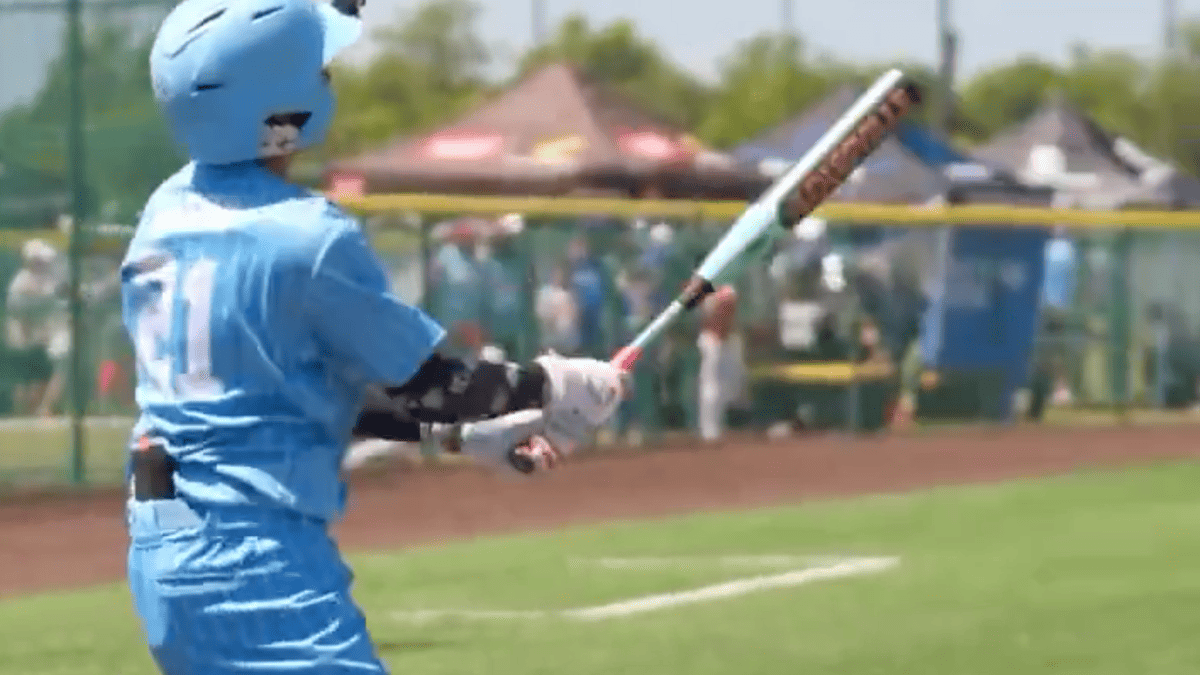
The crack of the bat, the sprint around the bases, the joy of a home run—it's a timeless baseball moment. But a new viral video from a youth diamond has the sports world asking: when does celebration cross the line into pure spectacle? A 12-year-old player is at the center of a firestorm after his elaborate, 'look-at-me' home run antics drew widespread criticism and sparked a deeper conversation about the culture of youth sports.
The Celebration That Lit the Fuse
The video in question shows the young player not just rounding the bases, but engaging in a full-blown performance. After connecting for the big hit, he emphatically spiked his bat—nearly catching himself in the face with the recoil—before launching into a series of gestures and dances. The scene was compounded by an adult cameraman running alongside him on the field, turning the moment into a produced highlight. For many watching, it wasn't a spontaneous burst of joy; it was a rehearsed show.

"Here we go again. Another over-the-top celebration at 12U," vented one coach online. "If you think this is good for baseball, you are the problem. The bat almost hits him, then all the 'look at me' antics... It's all a show." This sentiment was echoed across social media platforms, where the clip quickly circulated, drawing comparisons to the ongoing debates about showmanship at the professional level.
Pointing Fingers: Who's Really to Blame?
While the young player faces the brunt of the online backlash, a consensus is emerging that the real issue lies with the adults in the dugout and stands. Critics argue that children emulate what they see, and when coaches and parents not only tolerate but encourage such behavior, they set a poor example. "The kids aren't the problem. Most of them never are," wrote one fan. "The 'coaches'—ahem, dads—are the problem. Most of them always will be." Another added, "Call me a boomer... this is really sad. When did doing something good stop being enough? Coaches and parents encouraging this are embarrassing."
This incident taps into a broader anxiety about a "show-off culture" infiltrating youth athletics. Some fans blame the trickle-down effect from professional sports, where bat flips and personalized celebrations have become commonplace. "Show-off culture is ruining sports in general and baseball specifically," one comment read, pointing a finger at "parents of little league players for wanting their precious little baby to be the hero."
A Wider Cultural Clash in Sports
This is far from an isolated debate. The tension between traditional sportsmanship and modern self-expression is playing out across the sports landscape. Similar discussions have flared up around celebrations in volleyball and even family reactions in golf. The core question remains: where is the line between genuine emotion and disrespectful grandstanding, especially for young athletes?
Furthermore, the phenomenon of public backlash against sports figures is becoming a recurring theme. From celebrity encounters at UFC events to athletes' political stances, the court of public opinion is always in session. This youth baseball saga is simply the latest case on the docket.
Finding the Balance: Fun vs. Fundamentals
Defenders of the young player urge perspective, reminding critics that he is, after all, a child playing a game meant to be fun. They argue that policing a 12-year-old's joy is a step too far. However, even those who support players having fun often draw a distinction between celebration and choreography. The presence of the cameraman and what appears to be a pre-planned "dunk" celebration with a hoop held by an adult shifts the narrative from organic excitement to staged content creation.
The debate ultimately circles back to the role models and gatekeepers of the game. As the sport continues to evolve at the professional level with figures like Mike Trout making headlines for reasons beyond the field—as seen in recent trade speculation—the lessons absorbed by young fans and players become more complex. Is the goal to develop skilled players with respect for the game's nuances, or to create viral moments at any cost?
For now, the video serves as a Rorschach test for the state of youth sports. Some see a kid having the time of his life; others see a symptom of a larger cultural shift they find troubling. One thing is certain: the conversation about celebration, sportsmanship, and adult influence in children's athletics is one that is just getting started, and it's being played out one viral clip at a time.