The 2026 WNBA season is barely a week old, but the league is already facing a firestorm of public criticism—not over player performance or team standings, but over its revamped officiating approach. What was supposed to be a solution to inconsistent calls and excessive physicality has instead ignited a new controversy: are referees now calling too many fouls?
Commissioner Cathy Engelbert unveiled plans for officiating changes during All-Star Weekend last July, aiming to address complaints from teams about rough play and uneven whistle-blowing. But early returns suggest the pendulum may have swung too far in the opposite direction. According to analyst Amber Harding, teams are now averaging 22.3 fouls per game—a number that has players and coaches alike sounding alarms.

Minnesota Lynx head coach Cheryl Reeve didn't hold back after her team's recent games. “What I’m confused about, being on the task force, we talked about unnecessary physicality. We didn’t say we want to call marginal fouls. We never brought that up,” Reeve said. “It takes a little bit of time for sure to calibrate, both them and us. … Obviously, we’ll continue to work with the league on getting right because we’re not the only team sitting here wondering why everything is a foul.” Her frustration echoes a growing sentiment across the league.
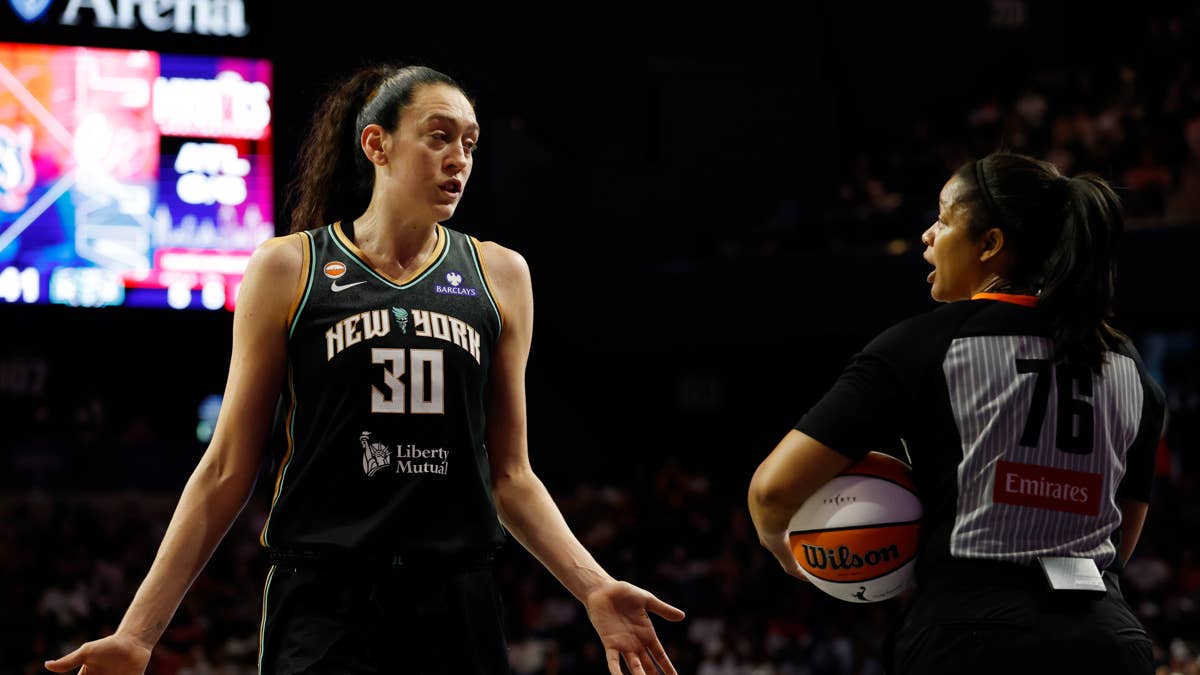
The backlash isn't limited to coaches. New York Liberty star Breanna Stewart voiced her displeasure after a marathon overtime win against the Washington Mystics. “It disrupts everyone’s flow,” Stewart said. “This game was 2 hours and 41 minutes long. That’s insane… I know it’s going to take time of, like, figuring out what’s the standard of what’s going to be called, but there’s calls that are being called that are unnecessary on both sides, and then there’s no flow.” Her comments highlight a key concern: the game’s rhythm is being sacrificed at the altar of officiating reform.
This isn't the first time the WNBA has faced scrutiny over its officiating. In fact, the league has seen similar complaints from other stars in recent seasons, suggesting a deeper, ongoing issue. But the current outcry feels more urgent, as players and coaches argue that the new guidelines are creating more problems than they solve.
The league’s intention—to reduce unnecessary physicality—is widely supported. But the execution has left many wondering if the product is being damaged in the process. Games are stretching longer, foul trouble is mounting, and the free-flowing style that fans love is being replaced by a stop-and-start affair. As one observer noted, the WNBA must find a middle ground before the season spirals into a parade of whistles.
For now, the pressure is on Engelbert and the officiating task force to recalibrate. The league has acknowledged that adjustments take time, but with public criticism mounting, patience may be running thin. Whether the WNBA can strike the right balance between protecting players and preserving the game’s integrity remains the biggest question of the young season.