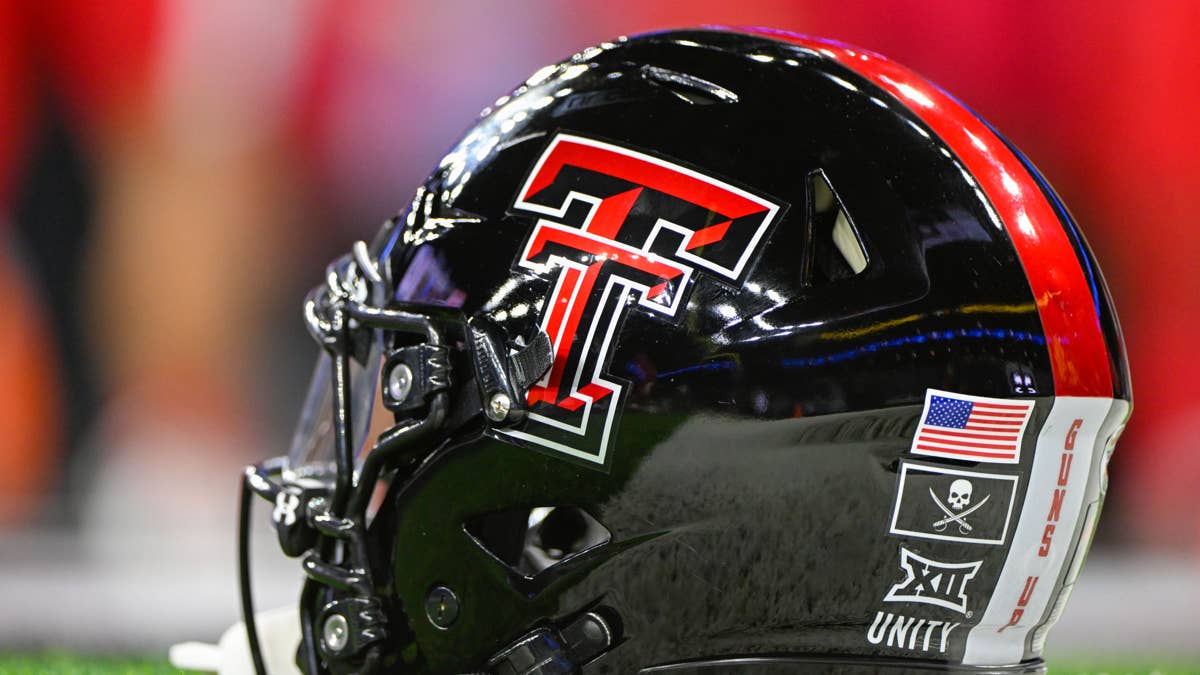
The fallout from Texas Tech quarterback Brendan Sorsby's admitted betting violations has taken a dramatic new turn. According to a report from CBS Sports, the Red Raiders are prepared to explore legal options if other athletic programs or conferences attempt to shut them out of competition.
Brandon Marcello of CBS Sports broke the news on social media, stating simply: “I’m told Texas Tech would consider legal action if athletic programs and/or conferences try to exclude them from competition or hinder their scheduling.”
The move comes after a wave of schools began dropping the Red Raiders from future schedules, following a court ruling that allowed Sorsby to play in 2026 despite his admission to betting on football. That decision has sparked outrage across college sports, with many programs viewing it as a threat to the integrity of the game.
Fans and analysts alike are skeptical that Texas Tech can force other schools to schedule games they don't want. Social media lit up with criticism, with one user noting, “Are they going to sue the Maui Invitational for not inviting the Tech basketball team? These other schools have the freedom of association.” Another pointed out, “I know you can sue for just about anything – but is there legal merit for a program CHOOSING not to schedule an opponent? You can’t force people to schedule you lol.”
The situation echoes the recent Big Ten's boycott threats against Texas Tech, which have only intensified since the ruling. The Red Raiders find themselves increasingly isolated as conferences and non-conference opponents alike reconsider their ties.
While Texas Tech can likely enforce existing contracts against schools that cancel games already agreed upon, the real question is whether they can compel new opponents to sign on. Legal experts doubt a lawsuit could force an unwilling party to enter a contract. As one fan put it, “The meaningful question for 2026: what a lawsuit against their own conference looks like.”
The controversy has also drawn attention to the broader implications for college athletics. With multiple teams threatening boycotts, the Red Raiders' scheduling challenges could ripple across the sport. Some observers argue that the ruling itself — which allowed Sorsby to play despite clear violations — has already damaged the sport's credibility, as noted in analysis of the judge's decision.
Despite the long odds, Texas Tech appears ready to fight. Deep pockets and a willingness to spend could keep the legal battle alive, even if the chances of winning are slim. For now, the Red Raiders are sending a clear message: they won't go quietly into the night.
Whether that message resonates in courtrooms or scheduling offices remains to be seen. But one thing is certain: the battle over Brendan Sorsby's eligibility is far from over, and its consequences could reshape how college football handles betting violations for years to come.