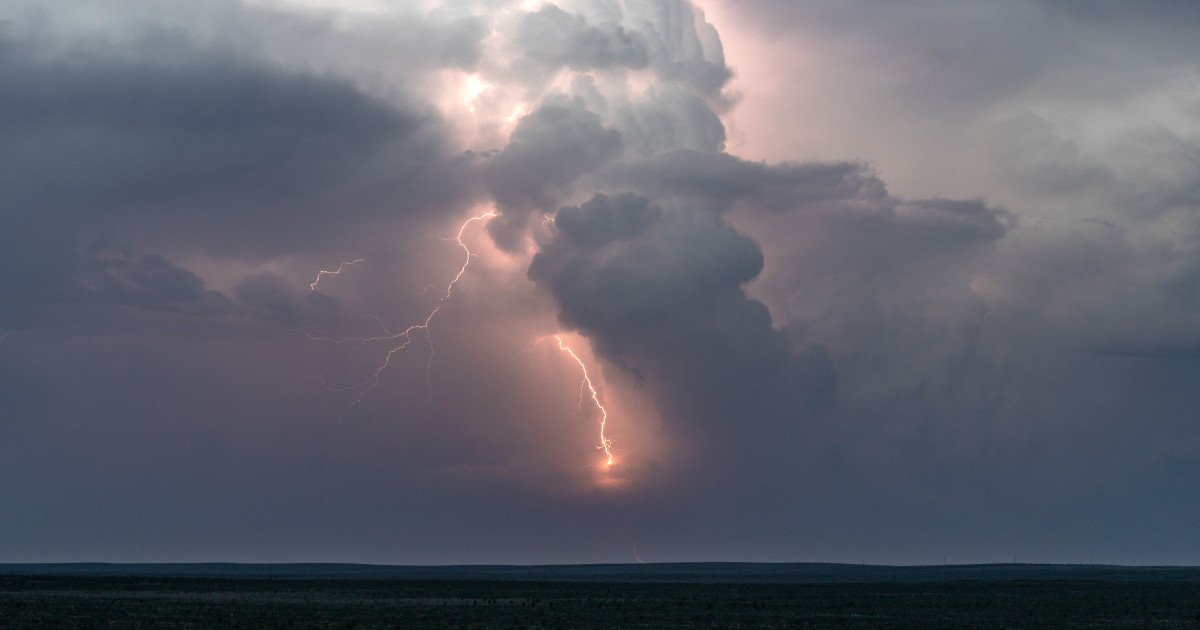
A major weather event is gearing up to slam into the heart of the country, promising to disrupt more than just travel plans. The National Weather Service has sounded the alarm for a severe thunderstorm outbreak targeting multiple states in the Midwest and Greater Ohio Valley Region this Thursday, March 25. This isn't your average spring shower; forecasters warn of a potent mix of damaging winds, large hail, torrential rain, and the potential for tornadoes.
The NWS Storm Prediction Center has elevated the threat level to an Enhanced Risk, which is a level 3 out of 5 on its severity scale. This significant upgrade signals that the most intense cells within this system could pack a serious punch. "The strongest storms will be capable of producing large hail, damaging wind gusts, and a few tornadoes," the agency stated, urging residents to take the situation seriously.

For sports fans and communities across the region, this storm could mean more than a rain delay. As highlighted in our report on Midwest sports facing a Thursday threat, outdoor activities and travel to games could be heavily impacted. This kind of severe weather also echoes broader patterns affecting athletic events, similar to the record heat waves and other severe thunderstorm events that have challenged the sports calendar nationwide.
In response to the looming danger, safety officials have distributed a clear and concise game plan. Think of it as a critical pre-game strategy for weathering the storm. Here are five essential tips to keep you and your loved ones safe:
Your Severe Weather Safety Checklist
1. Have a Shelter Plan Ready: Don't wait until the sirens blare to figure out where to go. Identify the safest location in your home—typically a basement, storm cellar, or an interior room on the lowest floor without windows. Make sure every family member knows the plan.
2. Set Up Multiple Warning Systems: Relying on just one alert method is a risky move. Ensure you have at least three different ways to receive severe weather warnings. This could include a smartphone with emergency alerts enabled, a NOAA Weather Radio, trusted news apps, and local TV broadcasts. Timely information is your best defense.
3. Know Your Local Geography: When a warning says a storm is near "Springfield," do you know which one or how close it is? Familiarize yourself with the names of surrounding towns, counties, and major landmarks. This knowledge helps you quickly understand if a threat is moving toward you and how much time you have to act.
4. Understand Storm Terminology: What's the difference between a watch and a warning? What can a "wedge" tornado do? Taking a little time to learn basic storm science and the meaning of various alerts empowers you to make smarter decisions under pressure. Knowledge reduces panic.
5. Monitor the Radar: Stay ahead of the game by actively tracking the storm's progression. Weather radar apps and websites are invaluable tools for seeing where storms are developing, how they're moving, and when they might arrive in your neighborhood. It's the closest thing to real-time intelligence on the storm's playbook.
Staying safe in severe weather is a serious responsibility, much like the safety protocols in any physical activity. Just as the sports world has learned from incidents like the importance of court safety, being prepared for natural threats is non-negotiable. As this powerful storm system moves in, take these tips to heart, stay informed through official channels, and prioritize safety above all else. The goal is to ensure everyone makes it through the event safely, ready for clearer skies and the return of normal play.