Glacier National Park in Montana is the scene of a tragic incident as a missing hiker has been found dead, with authorities suspecting a bear attack. The hiker, whose identity has not yet been released pending family notification, was discovered Wednesday afternoon after several days of searching.
According to the National Park Service, search and rescue teams located the victim around noon on Wednesday, about 2.5 miles up the Mt. Brown Trail, roughly 50 feet off the path in a thickly wooded area with fallen timber. The agency stated that the injuries sustained were consistent with those caused by a bear encounter.

Wildlife and law enforcement officials are currently combing the area for any signs of bear activity and evaluating potential risks to the public. The investigation remains active, and no further details have been disclosed at this time.
Rare but Tragic Encounters
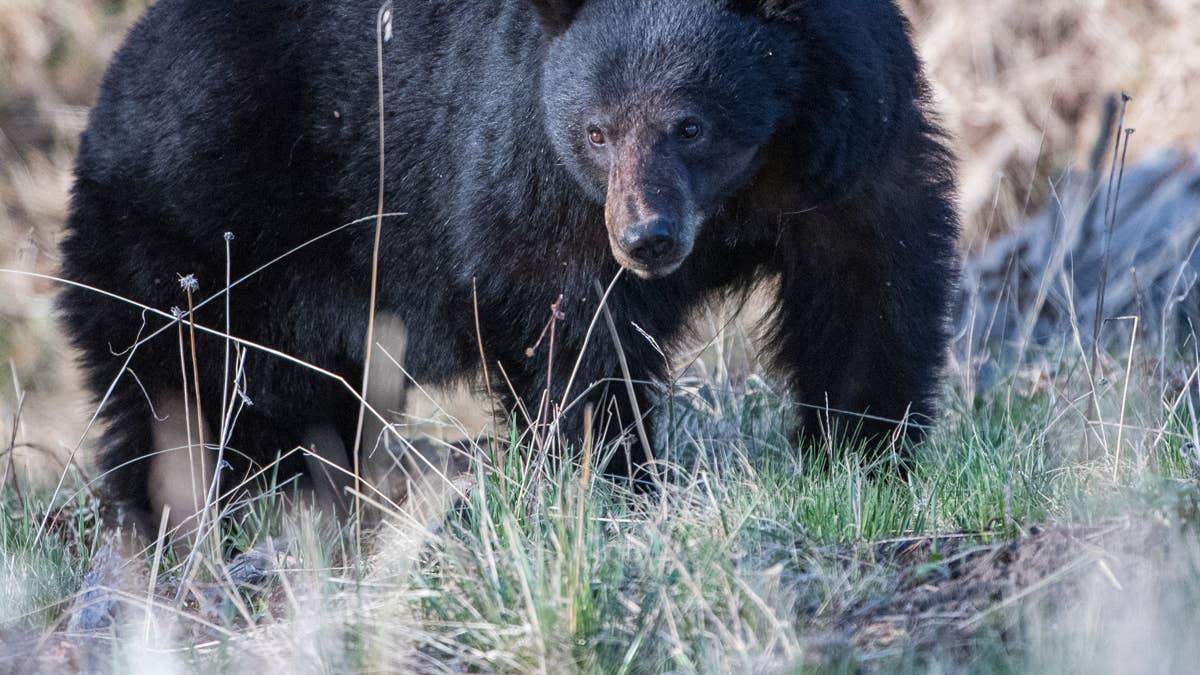
Fatal bear attacks in U.S. national parks are exceedingly rare, though they often capture widespread attention due to their severity. Most encounters involve either black bears or grizzly bears, particularly in parks like Yellowstone and Glacier. Notably, Glacier National Park reported that the last human fatality caused by a bear at the park occurred in 1998.
Across the United States, fatal bear attacks typically average only a handful each year. National parks, despite hosting millions of visitors annually, account for a small fraction of these incidents. Statistically, the odds of being injured by a bear in a major park like Yellowstone are roughly 1 in several million visits.
Most attacks happen when bears are surprised at close range, defending cubs, protecting food sources, or reacting to human behavior such as approaching too closely or improperly storing food. The National Park Service strongly advises hikers to carry bear spray in grizzly country, hike in groups, make noise on trails, and follow strict food-storage rules to minimize risk.
This tragedy echoes the recent double tragedy at Zion where two hikers died within two weeks, sparking safety concerns. While black bears are more common and usually less aggressive, grizzly bears are involved in a higher percentage of serious or fatal attacks.
Safety Precautions for Hikers
For those venturing into bear country, experts emphasize the importance of being prepared. Carrying bear spray and knowing how to use it can be a lifesaver. Hiking in groups of three or more, making noise while on the trail, and storing food properly are all critical steps to reduce the chance of an encounter.
The National Park Service continues to remind visitors that while the wilderness offers breathtaking beauty, it also demands respect for its wildlife. As the investigation in Glacier National Park unfolds, the hope is that this incident serves as a somber reminder of the power and unpredictability of nature.