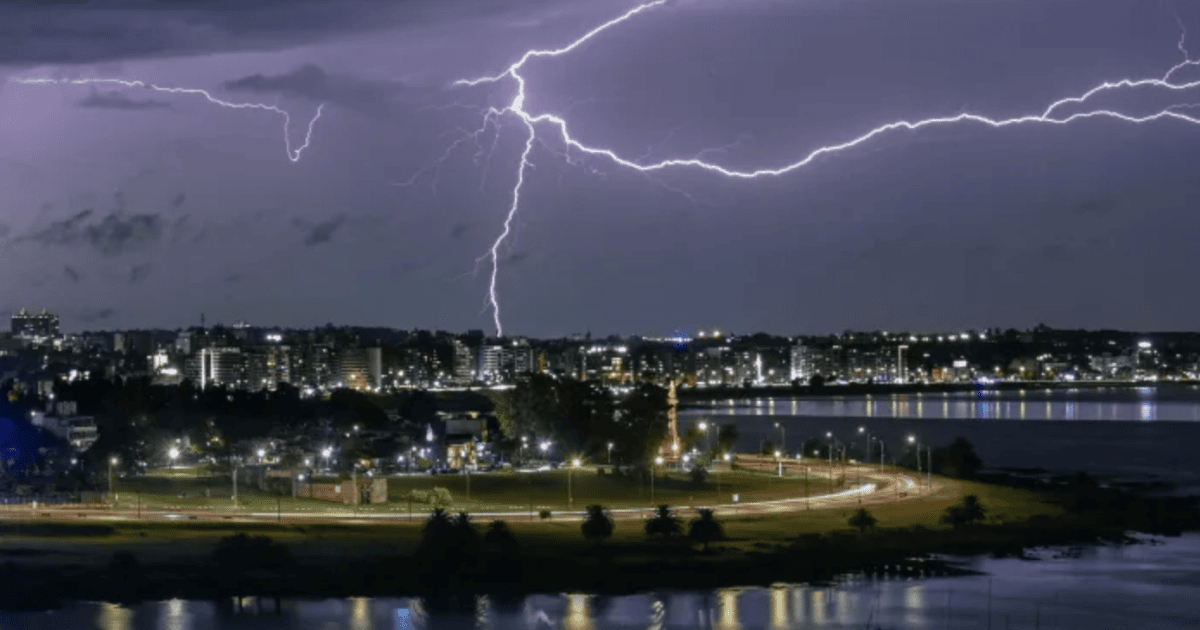
The National Weather Service has issued a stark warning for a significant portion of the American heartland, putting sports fans and outdoor event organizers on high alert. A formidable system of severe thunderstorms is forecast to march across five states this Thursday, bringing a dangerous mix of hazards that could disrupt games, practices, and travel plans from the Southern Plains to the Midwest.
Storm Zone: A Five-State Alert
The states squarely in the crosshairs of this severe weather outbreak are Texas, Oklahoma, Kansas, Missouri, and Illinois. This expansive corridor represents a major hub for collegiate and high school athletics, not to mention countless community leagues and outdoor recreational activities. The timing of these storms threatens to put a damper on the bustling sports calendar, forcing organizers to make critical safety decisions.

Meteorologists are warning that these are not your average spring showers. The primary threats embedded within these storms include torrential downpours that can quickly flood fields and parking lots, damaging straight-line winds capable of toppling temporary structures and signage, and large, destructive hail. Frequent and intense cloud-to-ground lightning also presents an extreme and immediate danger to anyone caught outdoors.
Safety First: A Game Plan for Severe Weather
When the skies turn threatening, having a clear game plan is as important as any playbook. The National Weather Service and safety experts emphasize that the key to weathering these storms is preparedness and swift action. The most critical rule is to seek immediate, sturdy shelter the moment warnings are issued or threatening conditions are observed.
For athletes, coaches, and fans, this means knowing your venue's severe weather safety protocols. At stadiums or outdoor complexes, designated shelter areas are often basements or interior rooms away from windows. Large, open structures like gymnasiums or fieldhouses, while indoors, may not be safe during the most intense wind and hail. If you are traveling to or from an event, be prepared to adjust your plans. Do not attempt to outrun a storm; instead, identify a safe building to wait it out.
It is a dangerous misconception to seek shelter under trees or in open-sided sheds. Trees are frequent targets for lightning strikes and can become projectiles in high winds. A hard-topped vehicle is safer than being completely exposed, but it is not as safe as a permanent building. The safest strategy is always to get inside well before the storm arrives.
Impact on the Sports World
This severe weather threat serves as a crucial reminder of the powerful intersection between sports and nature. Games at all levels may face delays, postponements, or cancellations to ensure participant and spectator safety. Athletic directors and league officials across the affected region are undoubtedly monitoring forecasts closely, ready to make the call to clear fields and grandstands.
Beyond scheduled events, the storms pose a risk to training routines. Outdoor afternoon practices for spring sports like baseball, softball, track, and golf could be scrapped, while the heavy rain may leave fields unplayable for days. For the dedicated sports community in these five states, Thursday presents a significant disruption driven by forces entirely beyond human control.
Staying informed is the best defense. Fans and participants should monitor local news and official NOAA Weather Radio alerts for the latest watches and warnings. Have a reliable weather app configured to alert you for your specific location, especially if you plan to be at an outdoor venue. By prioritizing safety and heeding official guidance, the sports community can navigate this severe weather challenge and look forward to getting back to the games once the storms pass.