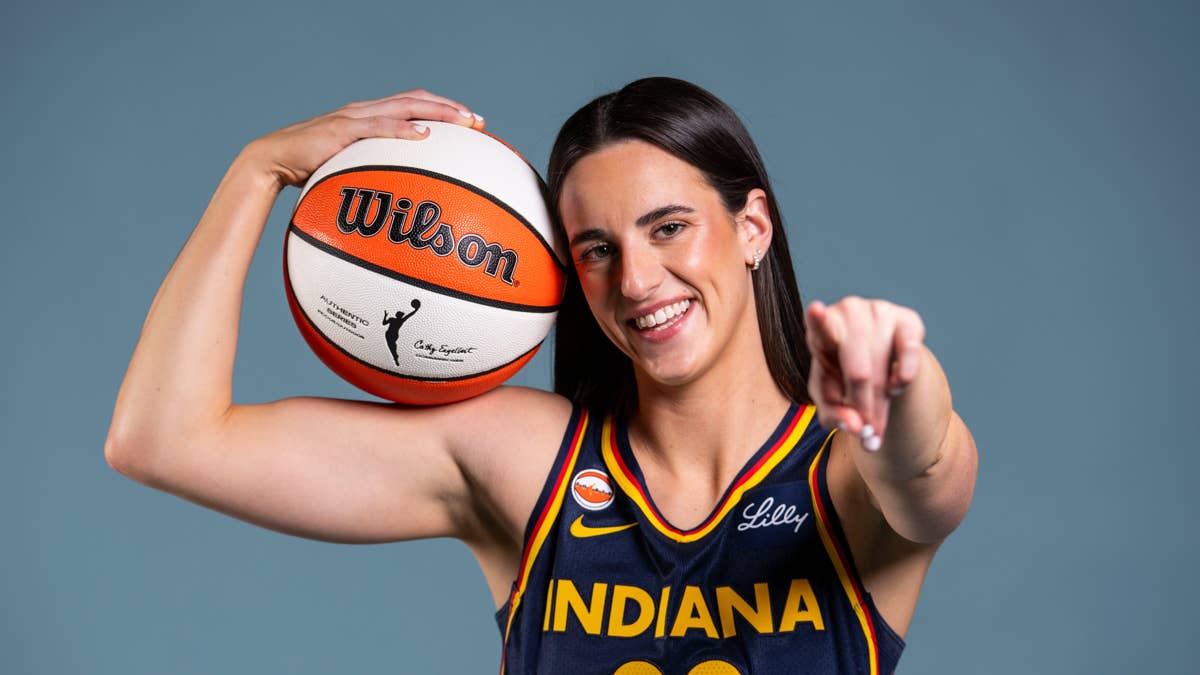
The WNBA just dropped its 2026 television blueprint, and the centerpiece is impossible to miss. In a historic first for the league, every single one of the Indiana Fever's 44 regular-season games will be broadcast to a national audience. This unprecedented spotlight on one franchise has detonated a fierce debate across the sports world, forcing uncomfortable conversations about star power, racial equity, and cold-hard business logic.
A Schedule Built for One Star
There's no subtlety in the numbers. The Indiana Fever's full-season national TV commitment dwarfs every other team in the league. The Dallas Wings come in a distant second with 36 games, followed by the New York Liberty (35), Las Vegas Aces (33), and Los Angeles Sparks (31). This clear hierarchy sends an unmistakable signal: the WNBA is betting its broadcast future squarely on the shoulders of Caitlin Clark.
Since being drafted first overall in 2024, Clark has transcended typical rookie impact, becoming a genuine cultural phenomenon. Her games consistently shatter viewership records, bringing millions of new eyes to the women's game. For league executives and TV partners, the decision is framed as a simple equation: Clark equals ratings, and ratings equal revenue and growth. As one fan bluntly put it online, "The team that everybody tunes in to watch? Smart business sense IMO."
The Backlash: A Question of Priority
However, this business-first rationale has collided with a wave of criticism. Detractors argue the schedule reveals a troubling bias, prioritizing the league's most prominent white star over a deep roster of established Black superstars who have built the WNBA for years. The conversation has moved beyond sports and into the fraught territory of representation and value.
The critique found a powerful voice from WNBA writer Matthew A. Cherry, who took to social media to call out the league. "Wild how they show you what they prioritize right there in plain view," he posted, a statement many interpreted as a direct commentary on racial dynamics. The implication is clear: by constructing the entire national TV landscape around Clark, the league is making a statement about who it believes drives interest—and who it doesn't.
This controversy isn't happening in a vacuum. It echoes other recent sports media debates, like when ESPN faced fury over its NCAA gymnastics broadcast for a perceived skewed focus. It also touches on the immense pressure placed on young stars, a topic Clark herself has addressed, as noted when Clark demanded an off-ball role, citing exhaustion from carrying the offensive load.
The Uncomfortable Reality of Ratings
In response to the backlash, defenders of the schedule point to an undeniable metric: the Nielsen ratings. Clark's arrival has catalyzed a viewership boom unlike anything in league history. Games featuring the Fever routinely outperform other matchups, often by massive margins. This creates a circular argument for networks—they air Clark because she gets viewers, and she gets viewers because she's constantly on air.
"TV networks prioritize viewership, news at 11," countered WNBA analyst Robin Lundberg, highlighting the fundamental commercial engine behind the decision. Another supporter online added, "Yes, they prioritize ratings over culture wars. A team with three of the top all-stars in the league. Oh, and Caitlin Clark is the face of the league." This stance frames the issue not as bias, but as a pragmatic response to market demand, a kind of uncomfortable reality check for the WNBA's critics.
Walking a Tightrope
The 2026 schedule ultimately forces the WNBA to walk a public relations tightrope. On one side is the legitimate need to capitalize on a generational talent who is expanding the league's commercial footprint at warp speed. On the other is the vital need to honor, promote, and equitably showcase the diverse base of elite athletes who form the league's foundation.
This clash between star-driven marketing and equitable representation is a growing pain for a league experiencing explosive growth. As the 2026 season approaches, the spotlight won't just be on Clark's chase for a championship or her claim to be the WNBA's best transition player. It will also be firmly fixed on how the league manages the powerful, and at times divisive, force of her stardom. The schedule has made it official: every Fever game is must-see TV. Now, the world will be watching both the action on the court and the heated debate it fuels off it.