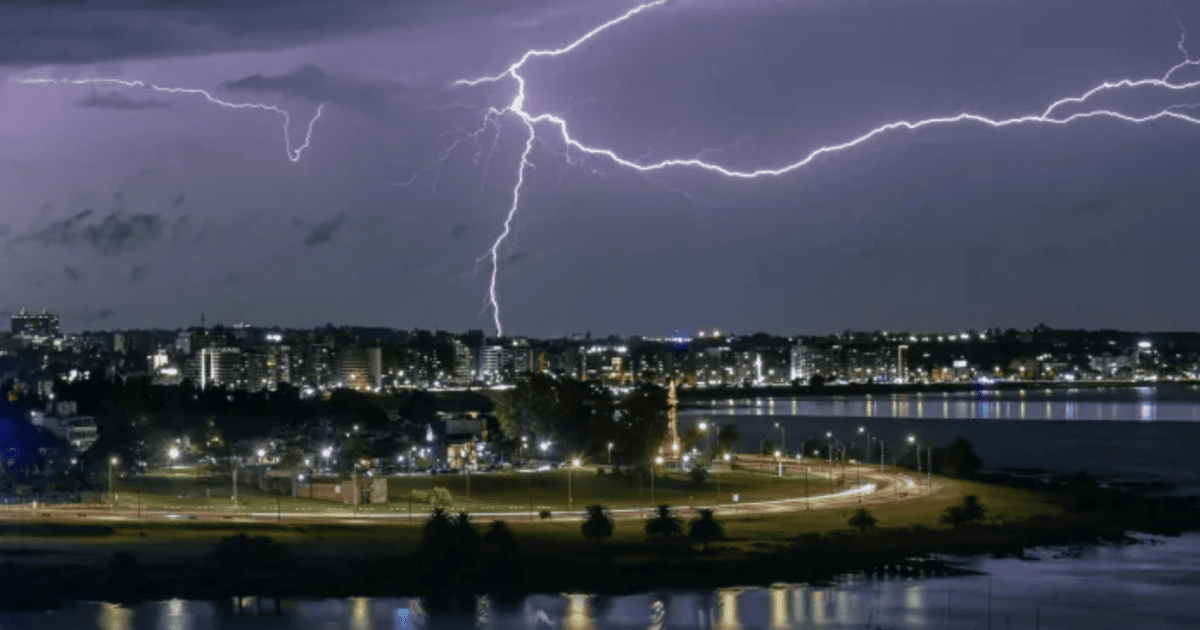
Sports fans and outdoor enthusiasts across America's heartland need to keep one eye on the sky this Thursday. The National Weather Service has issued a stern warning for eight states facing what forecasters are calling 'extreme' thunderstorm conditions that could significantly disrupt daily life—including athletic events and outdoor activities.
A Multi-State Weather Threat
The looming storm system has its sights set on a massive swath of the country, stretching from the Southern plains through the Midwest. Texas, Oklahoma, Louisiana, Arkansas, Missouri, Illinois, Indiana, and Kentucky are all in the crosshairs for potentially dangerous weather throughout Thursday, March 5. This isn't just a passing shower—meteorologists are warning of a potent mix of severe thunderstorms capable of producing significant lightning, torrential downpours, damaging straight-line winds, large hail, and even isolated tornadoes.

"Severe Weather and a several day stretch starts today across portions of the southern and central U.S.," the NWS stated in their latest advisory. "Chances for damaging winds and hail, and tornadoes peak on Friday with an Enhanced Risk (level 3 out of 5), but all hazards look possible each day for the next week." This extended forecast suggests athletes, coaches, and sports organizers should remain vigilant beyond just Thursday's immediate threat.
Potential Impact on Sports and Recreation
For communities in the affected regions, this weather system could mean more than just canceled picnics. High school baseball and softball games, outdoor track meets, golf tournaments, and community soccer matches may face postponements or require careful monitoring. Even professional sports facilities in these states could experience disruptions to training schedules or fan travel plans.
The South and Midwest are expected to bear the brunt of these storms, regions known for vibrant sports cultures and numerous outdoor venues. From Friday night lights to weekend marathon training, the severe weather timeline creates particular concern for weekend warriors and organized athletics alike.
Staying Safe When Storms Strike
When severe weather threatens during sports activities, safety must become the top priority. The National Weather Service provides clear guidelines that every athlete, coach, and fan should know.
Critical Safety Guidelines
Stay Informed: Continuously monitor local news or NOAA Weather Radio for the latest severe thunderstorm watches and warnings. Don't rely solely on weather apps—official alerts provide the most timely information.
At Home or Indoor Facilities: If you hear a severe thunderstorm warning, immediately move to your designated secure location. Bring pets with you if time permits, as damaging winds or large hail may be imminent.
At Outdoor Venues: Seek shelter inside a sturdy building immediately when severe thunderstorms approach. Avoid sheds, storage facilities, and especially trees—taking cover under trees is particularly dangerous as they may fall during high winds and increase lightning strike risk.
In Vehicles: While vehicles offer some protection from lightning, they provide little safety from tornadoes or falling debris. The safest option remains finding substantial indoor shelter when severe weather strikes.
At Schools or Sports Complexes: Stay away from windows during warnings and avoid large open areas like gymnasiums, cafeterias, or auditoriums which may be vulnerable to roof damage or flying debris.
Preparation Is Key
Sports organizations across the eight affected states should review their severe weather protocols before Thursday's system arrives. Having clear communication plans, designated shelter areas, and established decision-making procedures can make all the difference when minutes count. For individual athletes training outdoors, knowing when to cut a workout short and seek shelter could prevent dangerous situations.
While we often focus on how weather affects game outcomes, this week reminds us that sometimes the most important competition is against the elements themselves. Stay alert, stay informed, and most importantly—stay safe out there.