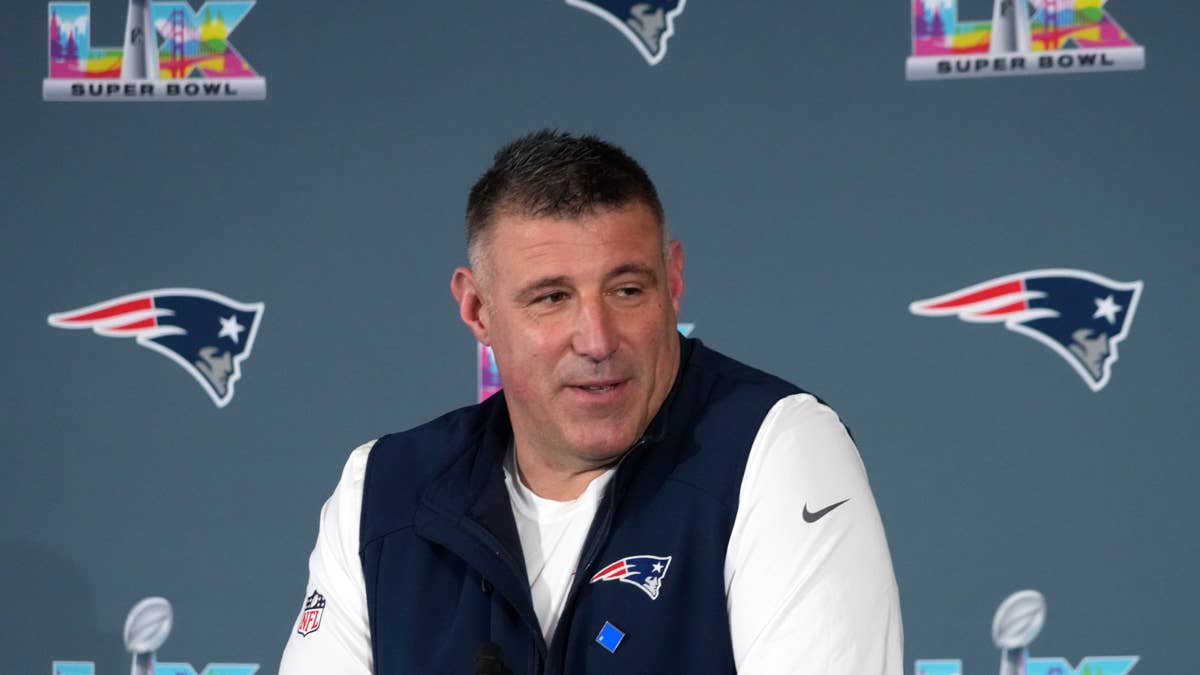
Is the sports media manufacturing drama to combat boredom? That's the explosive claim from a longtime New England Patriots reporter, who suggests the swirling controversy around head coach Mike Vrabel and reporter Dianna Russini is being artificially inflated.
Greg Bedard of the Boston Sports Journal didn't mince words during a recent radio appearance. He argued that the entire situation has been elevated to "big news" status not because of its inherent significance, but because the NFL news cycle has hit a pre-draft lull. "You're saying it's big news. No, it's big news because you need something to talk about," Bedard stated bluntly.
A Slow News Cycle Creates a Storm
Bedard pointed directly at the upcoming NFL Draft, describing it as devoid of the usual excitement and speculation. "There's no juice in this draft. There's nothing going on in the NFL," he claimed, suggesting that the lack of compelling football storylines has left a vacuum the Russini story has rushed to fill. He believes if this same story broke during the regular season, it would be a minor blip on the radar.
"If it was my job to cover extramarital affairs about owners, executives, players, coaches, I'd never cover the games," Bedard added, drawing a clear line between on-field action and off-field personal matters. His comments echo a growing frustration among some fans and analysts about the focus of sports coverage, a topic also relevant in debates like when ESPN faces fury over NCAA gymnastics broadcast for prioritizing human interest over the sport itself.
Is There Truth to the Theory?
There's undeniable logic to Bedard's perspective. The weeks leading up the draft are often filled with smokescreens and repetitive analysis, creating a hunger for any narrative with emotional weight. The Russini-Vrabel story, with its elements of privacy and media ethics, provides a complex topic that can be debated endlessly—a perfect filler when football action is scarce.
This incident has undoubtedly raised serious questions about boundaries and accountability in sports journalism, much like discussions that emerge from other media controversies. However, the intensity of the spotlight may indeed be magnified by the calendar. It's a phenomenon not unique to the NFL; even in other sports, slow periods can amplify smaller stories, as teams like the Patriots focus on their roster build away from the frenzy.
Meanwhile, the fallout continues. Vrabel has attempted to shut down the conversation, but as seen when Vrabel's statement backfires, such moves can sometimes intensify scrutiny rather than quell it. The situation remains a flashpoint, illustrating how personal stories intersect with the professional sports world.
Whether you agree with Bedard's take or not, it forces a conversation about what deserves the spotlight. In an era of 24/7 sports talk, is every story truly monumental, or are some simply convenient narratives to fuel the content machine during a quiet stretch? As the draft approaches and new stories emerge, we'll see if this one retains its heat or fades as predicted.
Ultimately, the debate itself is valuable. It challenges fans and media consumers to consider the forces that shape the stories dominating their screens. It's a reminder that in sports, as in life, timing and context are everything.