The NFL's broadcast booths are getting more complicated, and Fox analyst Greg Olsen isn't sweating the details. As two of his high-profile peers—Tom Brady and Troy Aikman—juggle their on-air jobs with official team roles, Olsen has weighed in on the potential conflict of interest, and his stance is clear: if the league allows it, he's fine with it.
The Dual-Role Dilemma
Tom Brady, the legendary quarterback, has been calling games for Fox for two seasons while simultaneously holding a minority ownership stake in the Las Vegas Raiders. He's no longer alone in this unique position. ESPN's Troy Aikman, who provides commentary for "Monday Night Football," recently accepted a consulting role with the Miami Dolphins, adding another layer to the conversation about where the line should be drawn for broadcasters.
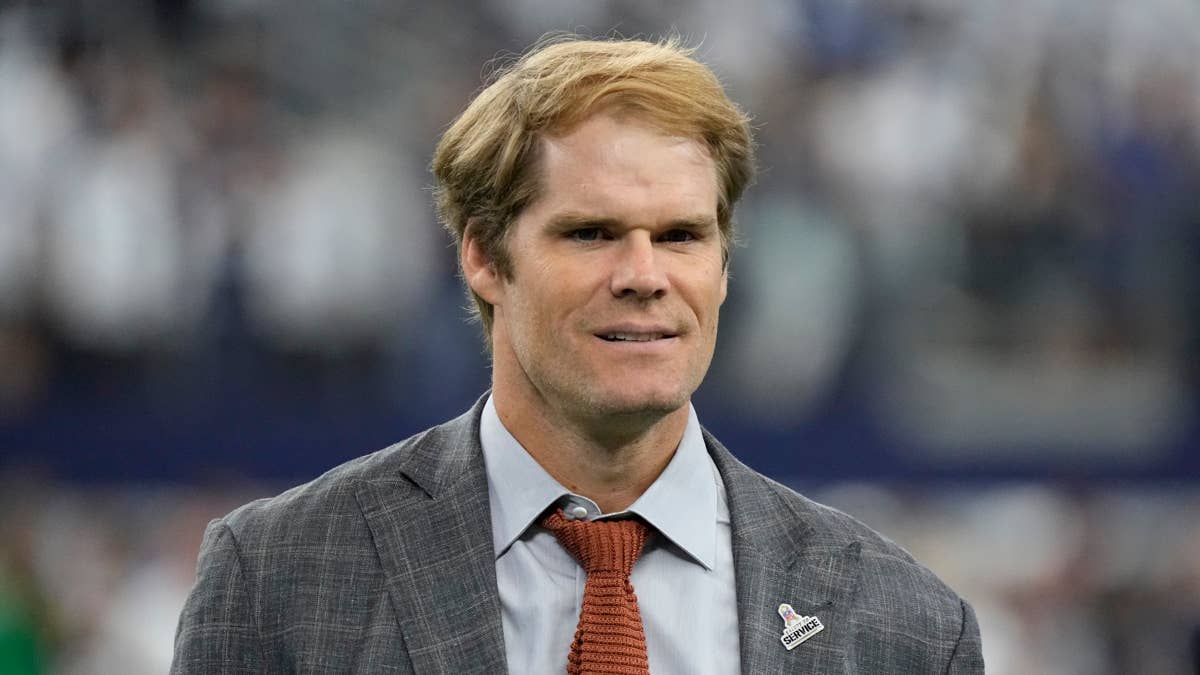
When asked about the situation on Yahoo Sports Daily, Olsen, who was Fox's lead analyst before Brady's arrival bumped him to the No. 2 team, took a diplomatic approach. "That's not my world to dive into," Olsen stated. "I think teams and organizations and players and front offices and, in our case, broadcasters, are gonna do what they do."
Understanding the Allure
Olsen explained why teams are eager to tap into the knowledge of legends like Brady and Aikman. "I think there's a lot of really talented guys out there, Tom and Troy being at the top of the list, that have a really natural understanding of the world of football," he said. "They have a really good background of experiences. They have great access to information throughout the league that makes them very highly sought-after. So I understand it from the team's perspective."
He also gets why the broadcasters themselves would want to be involved. "It's fun to be involved," Olsen added. "It's fun to be in the room where the decisions are being made, and you feel like you can really bring value and bring expertise into running some of these organizations. And whether that's helping hiring coaches or that's helping developing quarterbacks or that's helping on draft night. Whatever that is. So I understand the appeal, I understand the allure of both sides."
Rules of the Game
The NFL has established some guardrails, particularly for Brady. The league has restricted him from visiting other teams' facilities or practices and has barred him from publicly criticizing other clubs or officials—rules that could theoretically clash with his broadcasting duties. Yet, the league has not forced him to choose between his roles.
Aikman will continue his ESPN duties alongside Joe Buck, and the specifics of his consulting role with the Dolphins remain somewhat undefined, leading to questions about how his insights might influence his commentary.
Olsen's Final Verdict
For Olsen, the matter is straightforward. His position isn't about personal feelings but about the established framework. "Until someone says that it's against the rules," Olsen concluded, "I have no problem with it."
This evolving landscape raises broader questions about objectivity in sports media, but for now, key figures like Olsen are taking it in stride. As Brady continues to navigate his post-playing career, which includes ventures like finding a new balance, and Aikman expands his footprint, the league seems content to let its star analysts wear multiple hats—as long as they stay within the lines.